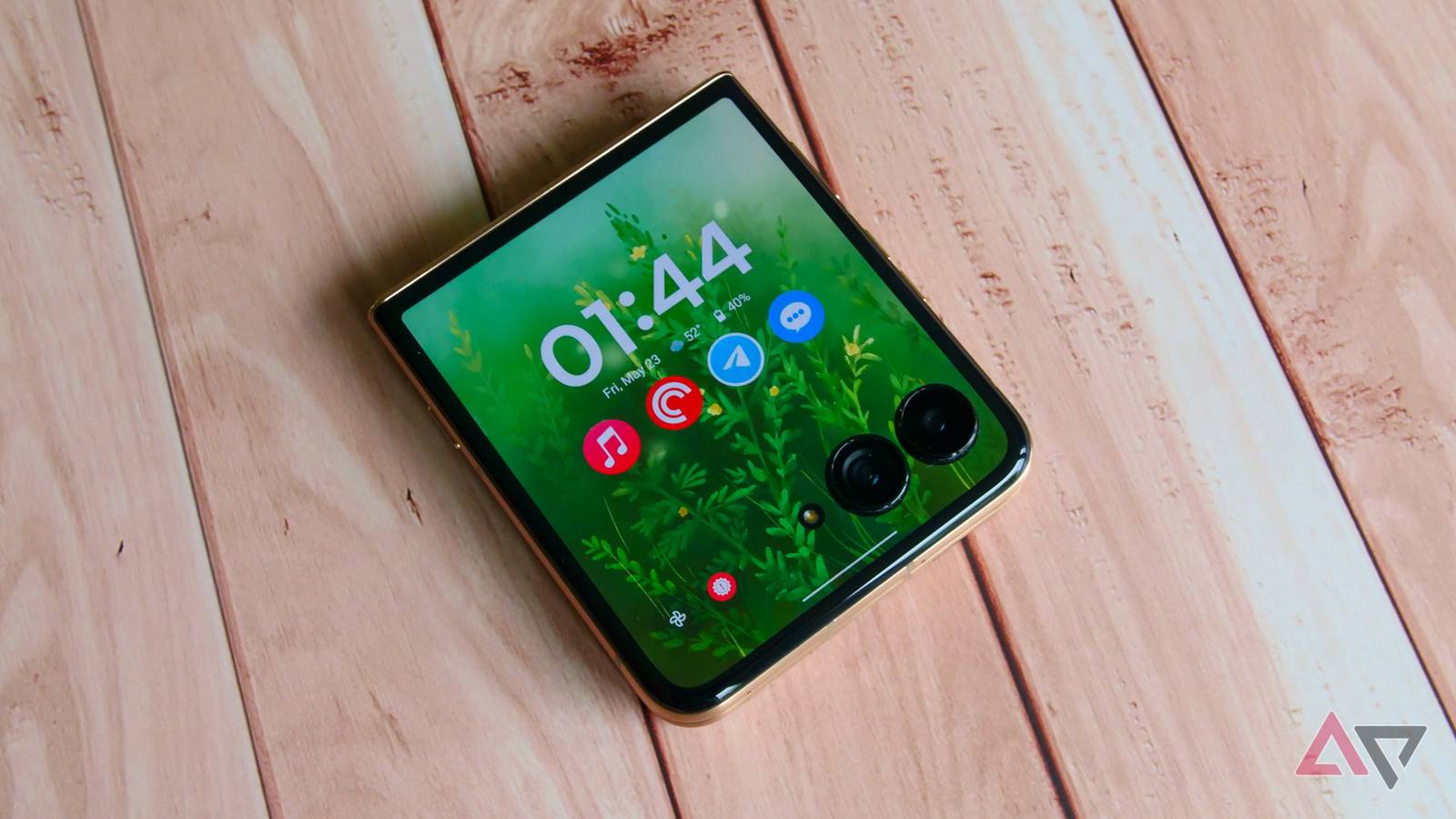
San Francisco – Motorola’s Razr (2025) and Razr Ultra (2025) are finally receiving the stable Android 16 update in the United States, but the rollout is arriving significantly later than updates for other flagship devices and is accompanied by reports of instability. The delayed arrival underscores a persistent challenge for the company: timely software support, a factor that continues to lag behind competitors in the crowded smartphone market.
For many Razr owners, the wait for Android 16 has been frustrating. While Motorola was among the first manufacturers to publish a list of devices eligible for the update, following Google’s initial release for Pixel phones in 2025, the actual deployment to its foldable devices has been markedly slower. This pattern of delayed updates has turn into a recurring criticism leveled against Motorola, impacting user experience and potentially influencing purchasing decisions.
The Android 16 update is currently rolling out to devices on Verizon and T-Mobile networks, as first reported by YTechB. Users with unlocked units purchased directly from Motorola or through other retailers may experience a further delay. The firmware version for the standard Razr (2025) is W1UC36H.96-35-1, while the Razr Ultra (2025) receives version W1VL36H.59-55-5. The update size is approximately 4GB, requiring users to connect to a stable Wi-Fi network and ensure sufficient battery life before initiating the installation.
Delayed Rollout and Security Patch Concerns
The timing of the update is particularly noteworthy given that the Android 16 firmware for the Razr series includes the December 2025 security patch. In other words that users are receiving an update with security fixes that are several months old, raising concerns about vulnerability to potential threats. Security patches are crucial for protecting devices from malware and exploits, and a delay in receiving the latest patches can leave users exposed. According to the Android Security Bulletin, regular security updates are essential for maintaining device security and privacy. The Android Security Bulletin details the vulnerabilities addressed in each monthly update.
Motorola has indicated that the Android 16 build for the Razr series is based on QPR1 (Quarterly Platform Release 1), which includes a “more expressive design” according to the company’s release notes. This suggests that the update incorporates some of the design enhancements introduced with the QPR1 release, offering users a refreshed visual experience. However, the core issue remains the protracted delay in delivering a major Android version update.
Reports of Instability and Cover Display Issues
While the arrival of Android 16 is welcome news for Razr owners, early reports suggest that the update is not without its problems. Users who received the update in regions outside the US prior to the US rollout have reported a number of bugs, particularly related to the functionality of the cover display. Reddit posts from Razr owners detail issues with apps like Facebook, WhatsApp, and X not functioning correctly on the external screen.
These cover display issues are particularly concerning for Razr users, as the external screen is a key feature of the foldable design, allowing for quick access to notifications and essential functions without fully opening the device. A malfunctioning cover display significantly diminishes the usability and convenience of the phone. Given Motorola’s historical track record with software updates, resolving these issues may take time, potentially leaving users with a compromised experience.
The slow pace of updates and the emergence of bugs raise questions about Motorola’s software development and testing processes. Industry analysts have consistently pointed to Motorola’s software support as a weakness compared to competitors like Samsung and Google, who prioritize timely updates and rigorous testing. The company’s commitment to improving its software update strategy will be crucial for maintaining its position in the competitive foldable phone market.
Motorola’s Software Update History
Motorola’s history with Android updates has been inconsistent, often characterized by delays and a lack of transparency. The original Razr (2023) series, for example, did not receive the Android 14 update until July, well after the release of its successors. While Motorola did accelerate the rollout of Android 15 for the Razr (2024) series, the current delay with Android 16 for the 2025 models demonstrates that significant improvements are still needed. 9to5Google reported on Motorola’s improving, but still imperfect, update schedule.
The company’s approach to software updates has often been criticized for prioritizing newer devices over older models, leaving users with older phones feeling neglected. This can lead to customer dissatisfaction and a perception that Motorola does not value its existing user base. Addressing these concerns will require a more consistent and proactive approach to software support, including a commitment to providing timely updates and addressing bugs promptly.
The phased rollout of the Android 16 update on Verizon and T-Mobile networks means that not all Razr owners will receive the update immediately. Users are advised to check their device settings regularly for updates and to ensure they have sufficient storage space and battery life before initiating the installation. Motorola has not provided a specific timeline for the rollout to unlocked devices, leaving those users in a state of uncertainty.
Key Takeaways
- The Motorola Razr (2025) and Razr Ultra (2025) are receiving the Android 16 update in the US, but with a significant delay.
- The update includes the December 2025 security patch, raising concerns about security vulnerabilities.
- Early reports indicate that the update is experiencing bugs, particularly related to the cover display.
- Motorola’s software update history has been inconsistent, and improvements are needed to meet customer expectations.
Looking ahead, Motorola is expected to continue rolling out the Android 16 update to more devices and address the reported bugs through subsequent software releases. The company’s ability to deliver a stable and secure software experience will be critical for maintaining its competitiveness in the foldable phone market. Users are encouraged to monitor Motorola’s official channels for updates and to report any issues they encounter.
The next step for Motorola will be to address the reported bugs and release a follow-up update with the latest security patches. The company has not yet announced a timeline for this, but users can expect further information in the coming weeks. We will continue to monitor the situation and provide updates as they become available. Share your experiences with the Android 16 update on the Razr (2025) and Razr Ultra (2025) in the comments below.