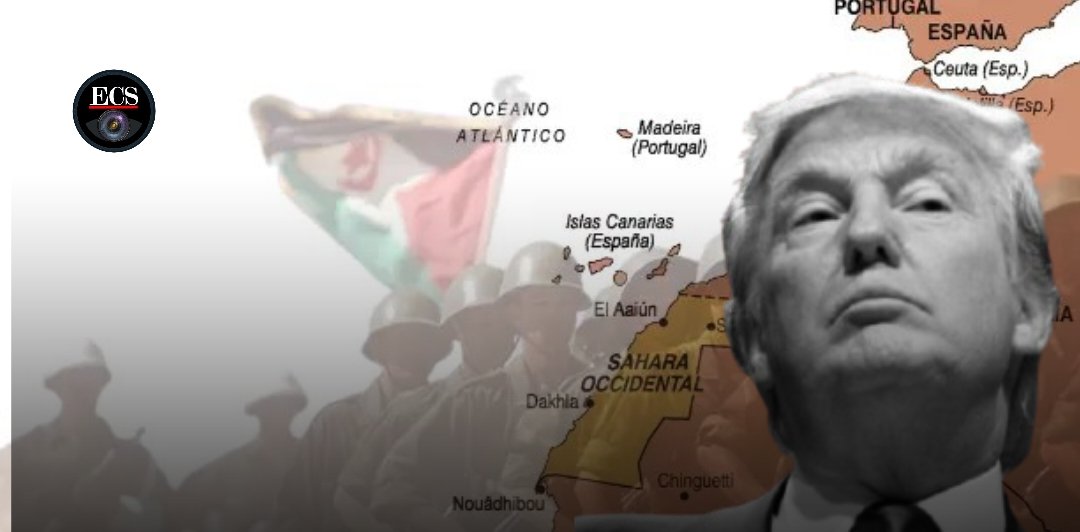
Renewed Diplomacy: Talks on Western Sahara’s Future Convene in Florida
The long-simmering dispute over Western Sahara has entered a novel phase, with representatives from Morocco, the Polisario Front, Algeria, and Mauritania gathering in Florida for crucial negotiations. This latest attempt at dialogue, brokered under the auspices of the United States, aims to break the decades-long stalemate over the territory’s sovereignty and chart a path toward a lasting political solution. The move signals a continued, albeit evolving, U.S. Engagement in the region, building on previous diplomatic efforts and a controversial recognition of Moroccan claims.
The negotiations, scheduled for February 22nd and 23rd, represent a continuation of discussions initiated in Madrid earlier in February, held at the residence of the U.S. Ambassador to Spain. The choice of Florida as the venue, a state closely associated with former President Donald Trump, underscores the current administration’s proactive approach to the conflict. While the United Nations has historically been the primary facilitator of talks on Western Sahara, the U.S. Is now taking a more direct role, seeking a compromise acceptable to all parties involved. The Moroccan delegation has already arrived in Washington D.C., with representatives from the Polisario Front expected to arrive on Saturday, February 21st.
A History of Conflict and Stalled Progress
The roots of the Western Sahara conflict trace back to 1975, when Spain withdrew from the territory after nearly five centuries of colonial rule. This withdrawal triggered a power vacuum, leading to immediate claims by both Morocco and the Sahrawi people, represented by the Polisario Front. Morocco swiftly occupied a significant portion of Western Sahara, while the Polisario Front, founded in 1973, proclaimed the Sahrawi Arab Democratic Republic (SADR) and launched an armed struggle for independence. The Frente Polisario, as it is known, continues to advocate for the right of the Sahrawi people to self-determination.
A United Nations-brokered ceasefire came into effect in 1991, accompanied by the establishment of the United Nations Mission for the Referendum in Western Sahara (MINURSO). MINURSO’s mandate was to organize a referendum allowing the Sahrawi people to choose between independence and integration with Morocco. However, the referendum has never materialized, primarily due to disagreements over voter eligibility. The lack of a resolution has left the territory in a state of political limbo for over three decades, with Morocco exercising de facto control over approximately 80% of the land.
The United States’ Evolving Role
The United States has historically played a diplomatic role in the Western Sahara dispute, but its position has shifted significantly in recent years. In 2020, during the Trump administration, the U.S. Recognized Morocco’s sovereignty over Western Sahara in exchange for Morocco’s normalization of relations with Israel – a move formalized in the Abraham Accords. This decision, which reversed decades of U.S. Policy, was met with criticism from Algeria and the Polisario Front, who viewed it as a betrayal of the Sahrawi people’s right to self-determination.
Despite the recognition of Moroccan sovereignty, the U.S. Has maintained that it formally supports a negotiated political solution under the framework of the United Nations. Masad Boulos, a key advisor to former President Trump, recently stated that Washington continues to view Morocco’s proposed autonomy plan as “serious and credible,” while still advocating for a UN-led process. This nuanced position reflects the complexities of the situation and the competing interests of the various parties involved. The Biden administration has not reversed the Trump-era recognition, but has signaled a willingness to facilitate further dialogue.
Why Florida? The Pursuit of a Breakthrough
The decision to host the negotiations in Florida, specifically chosen by the U.S. Administration, is a strategic one. By relocating the talks from Madrid to a location closely associated with former President Trump, Washington aims to inject a new sense of urgency and potentially leverage personal relationships to facilitate a breakthrough. The move too allows for greater secrecy and control over the negotiation process, shielding it from potential media scrutiny and external pressures. The U.S. Hopes to secure a commitment from both Morocco and the Polisario Front to advance towards a just, lasting, and mutually acceptable political solution.
The core of the dispute revolves around the question of self-determination for the Sahrawi people. Morocco insists on its sovereignty over Western Sahara, offering an autonomy plan that would grant the territory a degree of self-governance within the framework of Moroccan law. The Polisario Front, however, demands a referendum on independence, allowing the Sahrawi people to freely choose their own future. Algeria, a key regional player, supports the Polisario Front’s right to self-determination and has historically provided refuge and support to Sahrawi refugees. Mauritania, which shares a border with Western Sahara, has generally maintained a neutral stance, seeking to avoid escalating tensions in the region.
The current negotiations are expected to focus on exploring potential compromises and identifying areas of common ground. Key issues to be addressed include the terms of any future autonomy plan, the status of Sahrawi refugees, and the management of the territory’s natural resources. The U.S. Is likely to push for a solution that balances Morocco’s security concerns with the legitimate aspirations of the Sahrawi people.
Challenges and Prospects for Peace
Despite the renewed diplomatic efforts, significant challenges remain. Deep-seated mistrust between Morocco and the Polisario Front, coupled with conflicting regional interests, continue to hinder progress. The lack of a clear roadmap for a referendum and the ongoing dispute over voter eligibility are major obstacles. The involvement of external actors, such as Algeria and the United Nations, adds another layer of complexity to the situation.
However, You’ll see also reasons for cautious optimism. The U.S.’s renewed engagement, coupled with a growing international consensus on the need for a peaceful resolution, could create a window of opportunity for progress. The potential for economic cooperation and regional stability also provides incentives for all parties to locate a compromise. The success of the Florida talks will depend on the willingness of Morocco and the Polisario Front to engage in good-faith negotiations and to demonstrate a genuine commitment to finding a lasting solution.
The international community continues to monitor the situation closely. The United Nations remains committed to facilitating a peaceful resolution, and various countries and organizations have expressed their support for a negotiated settlement. The European Union, a major trading partner of both Morocco and Algeria, has a vested interest in regional stability and is likely to play a role in supporting any future agreement.
As the negotiations in Florida get underway, the world watches with hope that a breakthrough can be achieved. The future of Western Sahara, and the well-being of its people, hang in the balance. The next steps will be crucial in determining whether a lasting peace can finally be secured in this long-contested territory.
Further updates on the negotiations are expected following the conclusion of the meetings on February 23rd. Readers are encouraged to share their thoughts and perspectives on this critical issue in the comments section below.
Worth a look