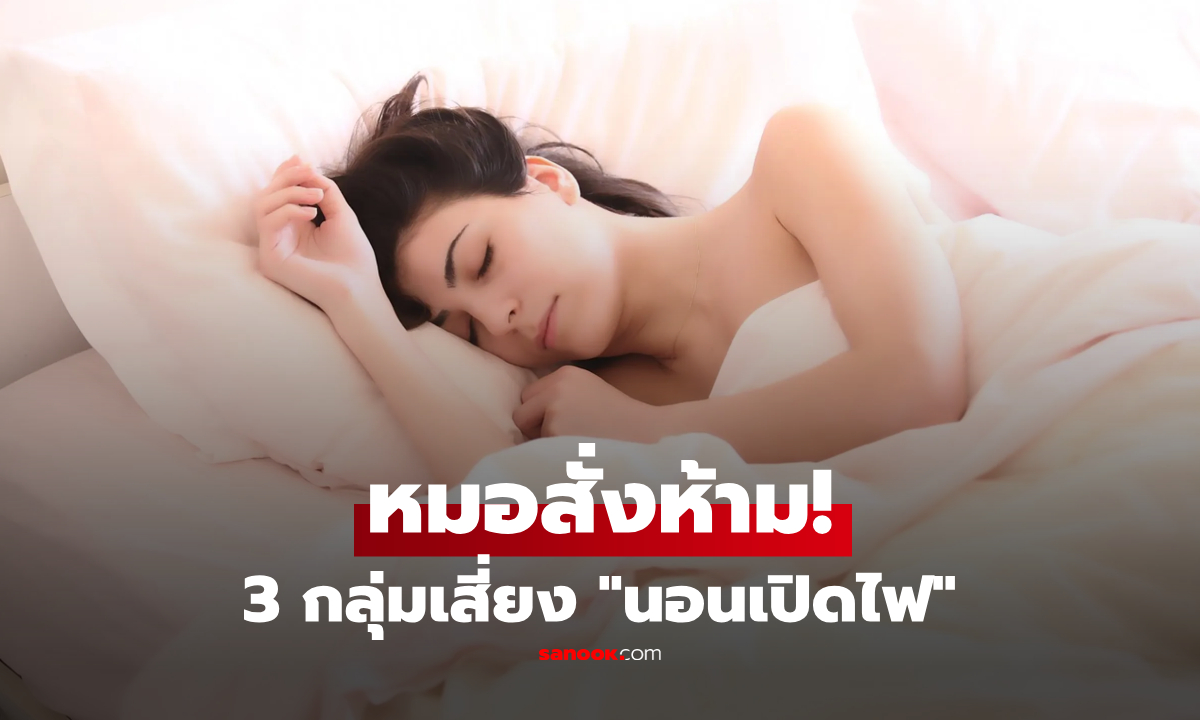
The Hidden Heart Risks of Sleeping with the Lights On
For many, a nightlight or the glow of a television screen are comforting companions as they drift off to sleep. However, emerging research suggests that even dim light exposure during sleep can have a surprisingly significant impact on cardiovascular health, potentially forcing the heart to perform harder and increasing the risk of serious complications. Whereas the initial reports originated in Thailand, the underlying science regarding light exposure and its effects on the body is gaining increasing attention from medical professionals worldwide. This article explores the growing body of evidence linking sleep light exposure to heart health, and what you can do to protect yourself.
The connection between sleep and heart health is well-established. During sleep, the body repairs itself, and the cardiovascular system typically slows down, allowing the heart to rest. However, exposure to light, even at low levels, can disrupt this natural process. The body’s natural circadian rhythm, which regulates sleep-wake cycles, is highly sensitive to light. When light is detected, the brain suppresses the production of melatonin, a hormone crucial for sleep and also known to have protective effects on the cardiovascular system. This suppression can lead to a cascade of physiological changes, including increased heart rate and blood pressure, even during sleep.
How Light Impacts Your Heart During Sleep
The core issue isn’t simply about feeling rested or not. The disruption of melatonin production and the subsequent activation of the sympathetic nervous system – responsible for the “fight or flight” response – place a demonstrable strain on the heart. Studies are beginning to show that this chronic strain can contribute to the development of several cardiovascular problems. Specifically, researchers are concerned about the potential for increased risk of heart failure and damage to blood vessels. The body essentially doesn’t get the restorative downtime it needs, leading to a cumulative effect over time.
The impact isn’t uniform across the population. Certain groups appear to be particularly vulnerable. While specific demographic details regarding the “3 groups” mentioned in initial reports are currently unconfirmed, the general understanding is that individuals with pre-existing cardiovascular conditions, those with a history of sleep disorders, and older adults are at heightened risk. Individuals with existing heart conditions may already have a compromised cardiovascular system, making them more susceptible to the added strain. Those with sleep disorders, such as insomnia or sleep apnea, often experience fragmented sleep and may be more sensitive to the disruptive effects of light. And as we age, the cardiovascular system naturally becomes less resilient, increasing vulnerability to any stressors, including light exposure during sleep.
The Science Behind the Risks
The link between light exposure and cardiovascular health is rooted in the body’s hormonal and neurological responses. Melatonin, beyond its role in sleep regulation, is a potent antioxidant and has been shown to have vasodilatory effects – meaning it helps blood vessels relax and widen, improving blood flow. Suppression of melatonin, removes this protective effect. Light exposure activates the sympathetic nervous system, leading to the release of stress hormones like cortisol, and adrenaline. These hormones increase heart rate, blood pressure, and constrict blood vessels, all of which contribute to increased cardiovascular workload.
Recent research, while still evolving, is beginning to quantify these effects. Studies have shown a correlation between exposure to artificial light at night and an increased risk of hypertension, coronary artery disease, and stroke. While correlation doesn’t equal causation, the consistent findings across multiple studies are raising significant concerns within the medical community. The Samitivej Club highlighted the importance of heart health and exercise in a November 2025 video, emphasizing that even moderate physical activity can contribute to cardiovascular well-being. Samitivej Club Video
Protecting Your Heart While You Sleep: Practical Steps
Fortunately, mitigating the risks associated with light exposure during sleep is relatively straightforward. Creating a truly dark sleep environment is paramount. Here are some practical steps you can accept:
- Blackout Curtains: Invest in high-quality blackout curtains to block out external light sources, such as streetlights or headlights.
- Eliminate Electronic Devices: Remove televisions, computers, and smartphones from the bedroom. If you must have a device in the room, ensure it is turned off completely, not just put on standby.
- Cover LEDs: Even small LED lights on electronics can disrupt sleep. Cover them with electrical tape or employ a light-blocking sticker.
- Nightlights: If you require a nightlight, opt for a dim, red-toned light. Red light has the least disruptive effect on melatonin production.
- Consider Sleep Masks: A comfortable sleep mask can effectively block out any remaining light.
Beyond creating a dark sleep environment, maintaining good sleep hygiene is crucial. This includes establishing a regular sleep schedule, avoiding caffeine and alcohol before bed, and creating a relaxing bedtime routine. Regular exercise, as highlighted by Rama Channel’s discussion of heart health and exercise, is also beneficial. Rama Channel Article Aim for at least 30 minutes of moderate-intensity aerobic exercise most days of the week.
Who Should Be Especially Vigilant?
While everyone can benefit from minimizing light exposure during sleep, certain individuals should be particularly vigilant. Those with pre-existing heart conditions, such as hypertension, coronary artery disease, or heart failure, should prioritize creating a dark sleep environment and discuss their concerns with their healthcare provider. Individuals with sleep disorders should seek treatment to address the underlying issues and minimize sleep fragmentation. Older adults, due to the natural decline in cardiovascular function with age, should also be proactive in protecting their heart health during sleep.
The emerging evidence linking light exposure during sleep to cardiovascular risks underscores the importance of prioritizing sleep hygiene and creating a truly dark sleep environment. By taking simple steps to minimize light exposure, you can protect your heart and improve your overall health and well-being. Further research is ongoing to fully elucidate the complex relationship between light, sleep, and cardiovascular health, but the current evidence strongly suggests that darkness is a vital component of a heart-healthy lifestyle.
The next step in understanding this connection will likely involve larger-scale, long-term studies to definitively establish a causal link between light exposure and cardiovascular disease. Researchers are also exploring the potential for targeted interventions, such as melatonin supplementation, to mitigate the harmful effects of light exposure. In the meantime, prioritizing a dark and restful sleep environment remains a prudent and proactive step towards protecting your heart health.
What steps are you taking to optimize your sleep environment? Share your thoughts and experiences in the comments below. And please, share this article with anyone who might benefit from this important information.
Related reading