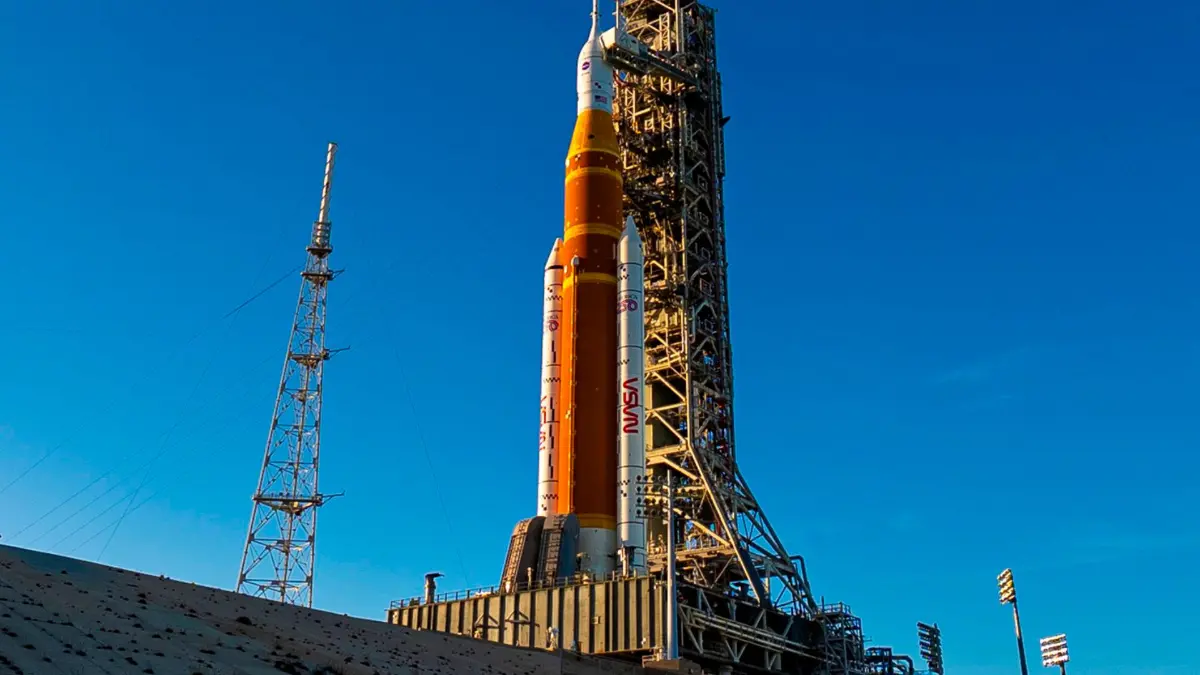
Artemis II Moon Mission Faces Further Delay Due to Helium Flow Issue
The highly anticipated Artemis II mission, NASA’s planned crewed flyby of the Moon, is facing another setback. Just days after tentatively setting a launch date of March 6, engineers have detected an issue with the flow of helium within the Space Launch System (SLS) rocket, prompting a likely rollback to the Vehicle Assembly Building for repairs. This latest complication casts significant doubt on a March launch and pushes the mission, at minimum, into April, according to NASA Administrator Jared Isaacman.
The Artemis II mission represents a pivotal moment in NASA’s renewed lunar exploration efforts, aiming to send four astronauts – Reid Wiseman, Victor Glover, Christina Hammock Koch, and Jeremy Hansen – on a 10-day journey around the Moon. This mission is a crucial stepping stone towards establishing a sustained human presence on the lunar surface with Artemis III, and serves as the first crewed flight for both the SLS rocket and the Orion spacecraft. The current delay underscores the complexities and challenges inherent in deep space exploration, and highlights the rigorous testing procedures necessary to ensure crew safety.
The issue surfaced after engineers observed an interruption in the flow of helium to the upper stage of the SLS rocket. Helium is a critical component in several stages of the launch process, particularly in purging fuel lines and conditioning systems for extremely low temperatures. Isaacman confirmed the problem on February 21st, stating that preparations for a rollback are underway. “This will take the March launch window out of consideration,” he wrote in a post on X (formerly Twitter). The administrator acknowledged the disappointment this delay will cause, particularly for the dedicated NASA team working on the project.
Previous Issues and the Road to a Revised Launch Date
This isn’t the first hurdle the Artemis II mission has faced. Just last week, on February 19th, NASA completed a “wet dress rehearsal” – a full-scale simulation of the launch process, including fueling the rocket – at Kennedy Space Center in Florida. While initially deemed successful, a subsequent confidence test revealed the helium flow issue. Prior to that, a hydrogen leak during an earlier rehearsal in February forced a pause in preparations. Engineers initially believed they had resolved the hydrogen leak by replacing seals, but the latest issue suggests deeper systemic challenges with the SLS rocket’s fueling infrastructure.
The recurring fueling problems are not entirely unexpected, according to Isaacman. He noted that similar issues were encountered during the Artemis I mission, the uncrewed test flight around the Moon in 2022, and that the extended period between missions likely contributed to the challenges. “Considering the issues observed during the lead-up to Artemis I, and the long duration between missions, we should not be surprised Notice challenges entering the Artemis II campaign,” he explained. However, he emphasized that this doesn’t excuse the situation and expressed confidence in the NASA team and its contractors.
The Significance of Helium and Hydrogen in SLS Operations
Both helium and hydrogen play critical roles in the SLS rocket’s operation. Liquid hydrogen serves as the primary fuel source for the rocket’s core stage and upper stage engines, providing the immense thrust needed to escape Earth’s gravity and propel the spacecraft towards the Moon. Helium, while not a fuel itself, is essential for maintaining the extremely low temperatures required for liquid hydrogen to remain in its liquid state. It’s also used to pressurize fuel tanks and purge fuel lines, ensuring a smooth and reliable flow of propellant during the launch sequence.
The hydrogen leak detected during the February rehearsal occurred in the interface between the rocket’s core stage and the ground fueling system. Engineers traced the leak to a faulty seal, which was subsequently replaced. The current helium flow issue, however, appears to be unrelated to the hydrogen leak, indicating a separate problem within the rocket’s complex systems. The precise cause of the helium interruption is still under investigation.
Impact on the Artemis Program and Future Missions
The repeated delays to Artemis II raise questions about the overall timeline for NASA’s ambitious lunar program. Artemis III, slated to land astronauts on the Moon’s south pole, is already facing its own set of challenges, and any further setbacks with the SLS rocket could potentially impact its schedule as well. NASA is actively working to address the fueling issues and prevent them from recurring in future missions. Isaacman stated that the agency is exploring ways to improve the reliability of the SLS rocket’s fueling systems before Artemis III.
The Artemis program represents a significant investment in space exploration, with the long-term goal of establishing a sustainable human presence on the Moon and using it as a stepping stone for future missions to Mars. The program involves collaboration with international partners, including the Canadian Space Agency (CSA), which is providing a robotic arm for the Lunar Gateway, a planned space station in lunar orbit. The Artemis II crew includes Canadian astronaut Jeremy Hansen, highlighting the international cooperation at the heart of the program.
Looking Ahead: What’s Next for Artemis II?
Currently, the NASA team is focused on preparing the SLS rocket for rollback to the Vehicle Assembly Building (VAB) at Kennedy Space Center. This process will involve carefully disconnecting the rocket from the launch pad infrastructure and transporting it back to the VAB for a thorough inspection and repair. The duration of the rollback and repair process is currently unknown, but It’s expected to take several weeks, effectively ruling out a March launch.
Once the repairs are completed, NASA will likely conduct another series of tests, including a wet dress rehearsal, to verify the fixes and ensure the rocket is ready for flight. The agency will then reassess the launch schedule and announce a new target launch date. The next official update from NASA regarding the Artemis II mission is expected in early March, following the completion of the initial assessment of the helium flow issue.
The challenges facing Artemis II serve as a reminder of the inherent risks and complexities of space exploration. While delays are frustrating, they are a necessary part of ensuring the safety and success of these ambitious missions. The world will be watching as NASA works to overcome these obstacles and continue its journey to the Moon and beyond.
Key Takeaways:
- The Artemis II mission, a crewed flyby of the Moon, has been delayed due to a helium flow issue within the SLS rocket.
- The issue prompted a likely rollback of the rocket to the Vehicle Assembly Building for repairs.
- This is the latest in a series of technical challenges facing the mission, including a previous hydrogen leak.
- NASA is working to address the fueling issues and prevent them from recurring in future missions.
- A new launch date will be announced after the rollback and repair process is completed.
Do you have thoughts on the latest Artemis II delay? Share your comments below, and be sure to share this article with your network!