MILAN & CORTINA D’AMPEZZO, Italy – The 2026 Winter Olympics, currently underway in the Italian cities of Milan and Cortina d’Ampezzo, are delivering not only thrilling athletic competitions but also a generous dose of lighthearted moments and candid anecdotes from the athletes themselves. From romantic pursuits to unexpected fears, the Games are offering a glimpse into the personalities behind the performances, providing a welcome counterpoint to the intense pressure of Olympic competition.
The Games have already seen notable athletic achievements. Czech speed skater Metoděj Jílek secured a gold medal in the 10,000-meter race, adding to his silver from the 5,000-meter event, as reported by Aktuálně.cz. American Mikaela Shiffrin also claimed a long-awaited third Olympic gold medal in the slalom, overcoming personal challenges to achieve victory, according to Aktuálně.cz. However, the stories unfolding beyond the medal podium are proving equally captivating.
A Search for Love and a Fear of Elevators
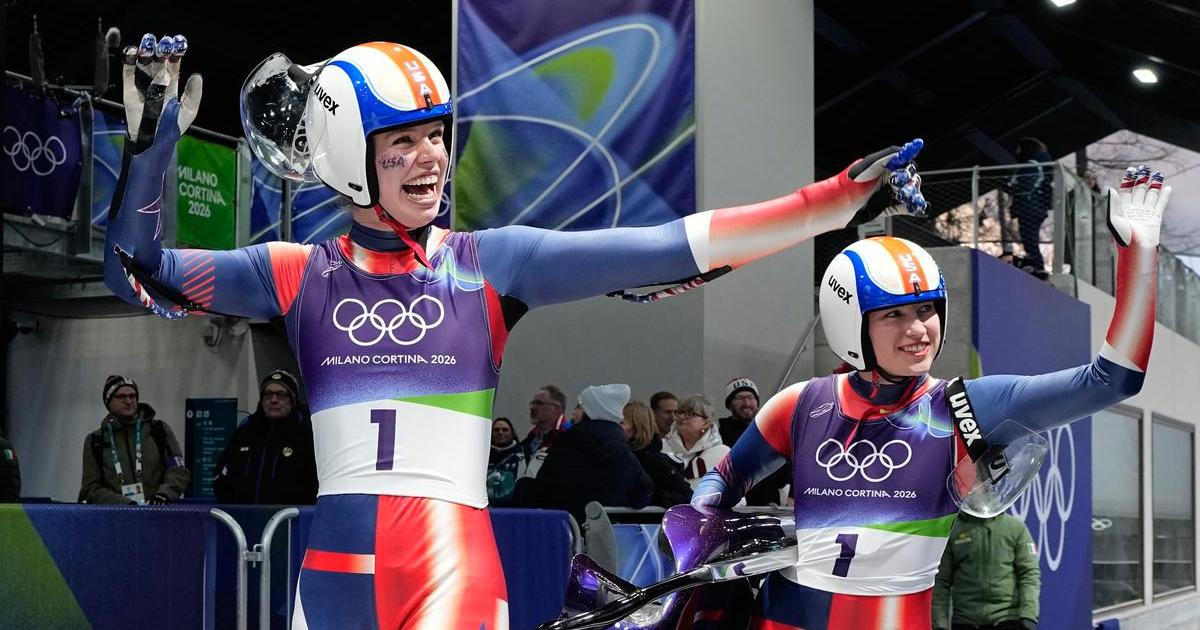
The playful side of the Olympics was highlighted by an American luger who jokingly announced her availability for romance during the Games, declaring herself the “most eligible single girl” under the five rings. This lighthearted announcement, as detailed by Aktuálně.cz, injected a touch of humor into the Olympic atmosphere.
But it wasn’t all romance and playful banter. Several athletes revealed unexpected anxieties, particularly concerning the logistical aspects of the Games. Czech curler Vít Chabičovský expressed his contentment with his accommodations, stating, “I like my room, I am alone in it, it is warm in it, even though it is cold outside.” This simple observation, reported by Aktuálně.cz, offered a relatable moment of appreciation for basic comforts amidst the high-stakes competition.
Heightened Anxieties and Big Air Challenges
For some, the anxieties extended beyond room preferences. Laura Záveská, a snowboarder competing in freestyle, admitted to a surprising fear: elevators. “Honestly, I’m a little afraid of heights, which is quite ironic when I do freestyle snowboarding. I’m more afraid of the elevator than the jump. The way it rattles. Yesterday it stopped for a moment and broke down. I wasn’t thrilled. The jump is good, the elevator not so much,” she confessed, as reported by Aktuálně.cz. This fear was compounded by a recent incident where the elevator temporarily malfunctioned.
The scale of the big air competition also sparked apprehension. Jakub Hroneš, another Czech snowboarder, described the big air structure as “scary,” noting that it’s two meters larger than the one used at the previous Olympics in Beijing. However, he added with a touch of humor, “But more ‘scary’ is, in my opinion, riding up there in the elevator that looks implausible for how plausible it should be,” according to Aktuálně.cz. This highlights the unexpected mental challenges athletes face, even beyond the technical demands of their sports.
Psychological Strategies and Olympic Pressure
The psychological pressures of the Olympics were also addressed by Anežka Indráčková, a Czech ski jumper. She explained her approach to managing the intensity, stating, “Olympic atmosphere doesn’t do much with me, it’s more that I myself make a big deal out of it. It is a big deal, but not to the point where I overthink it. But I strive… Up there I sing, I talk to everyone, I chat and do some psychological things to be okay,” as reported by Aktuálně.cz. Indráčková’s strategy underscores the importance of mental fortitude in elite athletic performance.
These anecdotes, while seemingly minor, offer a valuable insight into the human side of the Olympic Games. They remind us that even the world’s most accomplished athletes are still individuals with their own quirks, fears, and senses of humor. The ability to find levity and cope with anxiety is just as crucial to success as physical prowess and technical skill.
The Broader Context of Athlete Wellbeing
The anxieties expressed by athletes like Záveská and Indráčková also raise broader questions about athlete wellbeing at major sporting events. The pressure to perform, coupled with the logistical challenges of travel and accommodation, can take a significant toll on mental health. Organizations like the International Olympic Committee (IOC) have increasingly focused on providing mental health support to athletes, recognizing the importance of holistic wellbeing. In 2021, the IOC launched a Mental Health Task Force to address these issues and develop resources for athletes. IOC Launches Mental Health Task Force
The focus on mental health is particularly relevant in the wake of high-profile athletes, such as gymnast Simone Biles, openly discussing their struggles with anxiety and pressure. Biles’ decision to withdraw from several events at the Tokyo 2020 Olympics sparked a global conversation about the importance of prioritizing athlete wellbeing over medal aspirations. Simone Biles Withdraws From Olympic Team Final
The stories emerging from the Milan and Cortina d’Ampezzo Games serve as a reminder that the Olympics are not just about athletic achievement; they are also about the human experience. The laughter, the anxieties, and the personal stories all contribute to the rich tapestry of the Games, making them a captivating spectacle for audiences worldwide.
Key Takeaways:
- The 2026 Winter Olympics are showcasing both athletic excellence and the human side of competition.
- Athletes are facing unexpected challenges, from elevator malfunctions to anxieties about heights.
- Mental health is increasingly recognized as a crucial component of athlete wellbeing.
- The Olympic Games provide a platform for athletes to share their personal stories and connect with audiences on a deeper level.
As the Games continue, we can expect more compelling stories to emerge, both on and off the field of play. The next few days will see further medal events in sports like alpine skiing, biathlon, and figure skating. Stay tuned to World Today Journal for continued coverage of the 2026 Winter Olympics and the latest developments in athlete health and wellbeing.
What are your thoughts on the pressures faced by Olympic athletes? Share your comments below, and don’t forget to share this article with your network.
Related reading