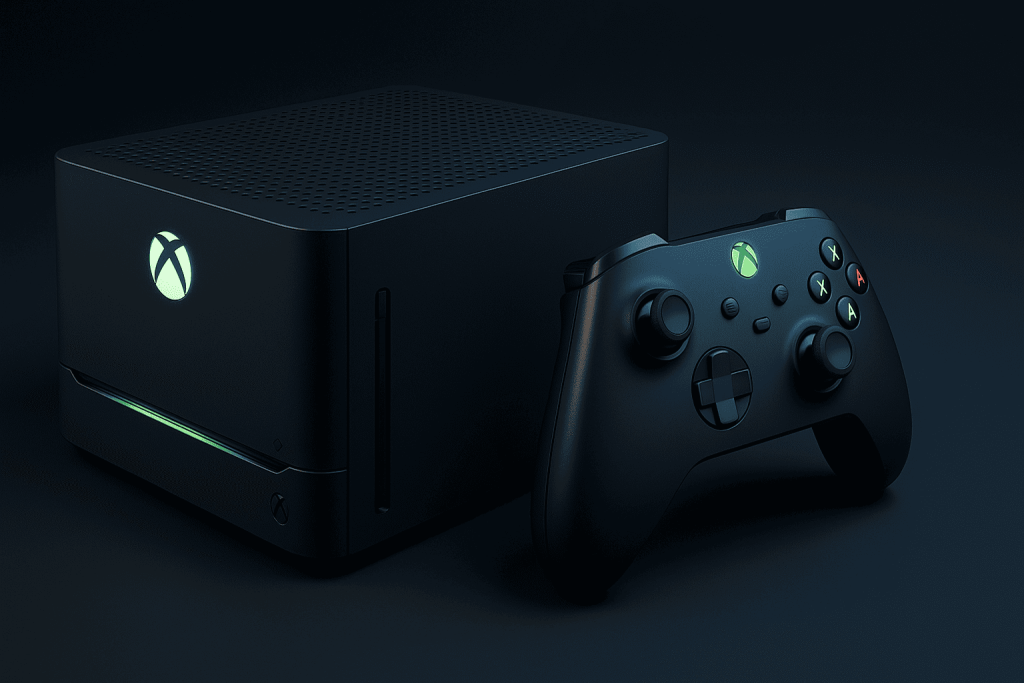
The future of Xbox hardware remains firmly on track, despite recent leadership changes at Microsoft Gaming. Confirmation that development of the next-generation Xbox console is “exceptionally advanced” comes as a welcome reassurance to the gaming community, quelling speculation about a potential shift away from dedicated gaming hardware. This news arrives amid a broader industry conversation about the evolving landscape of gaming, encompassing cloud services, PC gaming, and mobile platforms.
The update was shared by Sarah Bond, President of Xbox, in a LinkedIn post, as reported by several outlets. Bond’s message directly addresses concerns about Microsoft’s commitment to consoles, stating unequivocally that work on the next Xbox is progressing well. This statement is particularly significant given the recent restructuring within Microsoft Gaming, including the departure of Matt Booty as head of Xbox Game Studios and the appointment of Bond to her current role in October 2023. Sarah Bond now oversees the platform and ecosystem, including hardware, player and creator experiences, and business development.
Xbox’s Next Generation: A Continued Commitment to Hardware
The confirmation arrives at a pivotal moment for the gaming industry. Microsoft has been actively exploring various gaming avenues, including its popular Xbox Game Pass subscription service and cloud gaming technology. However, Bond’s statement underscores that the console remains a central pillar of the Xbox ecosystem. This commitment is echoed by recent statements from Microsoft leadership, emphasizing the importance of a robust hardware offering alongside its expanding software and service portfolio.
While an official launch date remains undisclosed, industry rumors suggest a potential release window of late 2027. Sarah Bond, born in 1978, brings a wealth of experience to her role, having previously held positions at McKinsey & Company, T-Mobile, and Microsoft. Her background includes overseeing gaming business development and partnerships at Xbox, and she played a key role in representing Microsoft during the Federal Trade Commission (FTC) v. Microsoft trial regarding the proposed acquisition of Activision Blizzard. This experience positions her well to navigate the complexities of the gaming market and guide Xbox’s future strategy.
The development of the next Xbox is occurring against a backdrop of increasing competition in the gaming space. Sony’s PlayStation 5 continues to be a strong contender, while other players like Nintendo and emerging cloud gaming services are vying for market share. Microsoft’s strategy appears to be focused on creating a unified gaming experience across multiple platforms, leveraging the strengths of its console, PC, cloud, and mobile offerings. The company’s acquisition of Activision Blizzard, finalized in October 2023, significantly expands its portfolio of gaming franchises, including titles like Call of Duty, World of Warcraft, and Diablo, bolstering its competitive position.
The ongoing evolution of Xbox is also closely tied to advancements in technology, particularly in areas like processing power, graphics capabilities, and storage solutions. The next-generation console is expected to feature significant upgrades in these areas, delivering enhanced performance and immersive gaming experiences. Microsoft is likely to continue investing in technologies like ray tracing, variable rate shading, and DirectX to push the boundaries of visual fidelity and realism. The integration of artificial intelligence (AI) is also anticipated to play a growing role in future Xbox consoles, potentially enhancing gameplay, personalization, and accessibility.
Navigating a Changing Gaming Landscape
Microsoft’s approach to gaming is increasingly centered around Xbox Game Pass, a subscription service that provides access to a vast library of games for a monthly fee. Game Pass has proven to be a popular offering, attracting millions of subscribers and driving engagement across the Xbox ecosystem. The service is available on consoles, PC, and through cloud gaming, allowing players to access games on a variety of devices. Microsoft’s commitment to Game Pass reflects a broader trend in the industry towards subscription-based gaming models, offering players greater flexibility and value.
Cloud gaming, powered by Microsoft’s Azure cloud infrastructure, is another key component of the company’s gaming strategy. Xbox Cloud Gaming allows players to stream games to their devices without the need for powerful hardware. This technology has the potential to democratize access to gaming, making it available to a wider audience. However, cloud gaming also faces challenges, including latency issues and the need for a stable internet connection. Microsoft is continually working to improve its cloud gaming technology and address these challenges.
The integration of PC gaming into the Xbox ecosystem is also a priority for Microsoft. Xbox Game Pass for PC provides access to a curated library of PC games, and Microsoft is working to bridge the gap between console and PC gaming through features like cross-play and cross-save. This approach allows players to seamlessly switch between platforms and enjoy their favorite games on the device of their choice. The company’s acquisition of Bethesda Softworks in 2021 further strengthened its position in the PC gaming market, adding popular franchises like The Elder Scrolls and Fallout to its portfolio.
The evolving role of mobile gaming is also influencing Microsoft’s strategy. The company is exploring opportunities to bring Xbox games to mobile devices, leveraging its cloud gaming technology and partnerships with mobile game developers. This expansion into mobile gaming could significantly broaden the reach of the Xbox brand and attract latest players to the ecosystem. However, the mobile gaming market is highly competitive, and Microsoft will need to differentiate its offerings to succeed.
The confirmation of continued Xbox hardware development is a positive sign for the gaming community, demonstrating Microsoft’s long-term commitment to the console market. While the company is embracing new technologies and expanding its gaming ecosystem, it recognizes the importance of a dedicated gaming console as a core component of its strategy. The next-generation Xbox is expected to deliver significant improvements in performance, graphics, and features, providing players with an immersive and engaging gaming experience.
As Microsoft navigates the changing gaming landscape, it will be crucial to balance innovation with tradition, embracing new technologies while remaining true to the core values of the Xbox brand. The company’s success will depend on its ability to create a unified gaming experience across multiple platforms, providing players with greater flexibility, choice, and value. The future of Xbox looks bright, with a clear vision for the next generation of gaming.
The next major update regarding Xbox’s future plans is anticipated during Microsoft’s annual gaming showcase, expected to take place in June 2024. Gamers and industry observers alike will be closely watching for further details on the next-generation console, as well as updates on Xbox Game Pass, cloud gaming, and other key initiatives. Stay tuned to World Today Journal for continued coverage of the evolving gaming landscape.
What are your thoughts on the future of Xbox? Share your predictions and opinions in the comments below!
Keep reading
- Terres de Chalosse: Cécilio, Digital Advisor Boosting Local Autonomy
- Federica Brignone Prepares for New Ski World Cup Season
- Reflecting on Development The Vault Content and Lead Developer Insights (news-usa.today)
- Earth’s Ocean Floor Remains Less Mapped Than Mars Despite Seabed 2030 Progress (archyworldys.com)