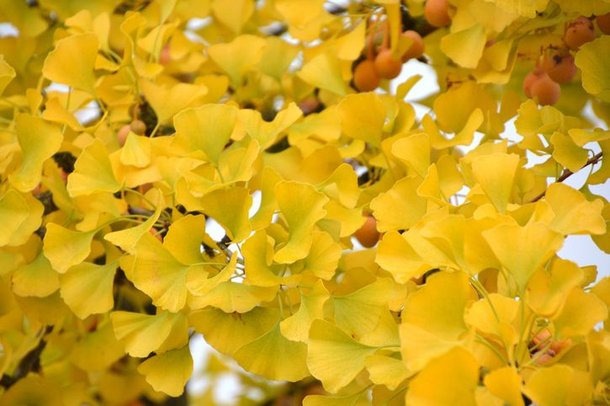
Berlin, Germany – February 22, 2026 – Emerging research suggests that an extract from the Ginkgo biloba tree may offer a potential avenue for slowing the progression of dementia symptoms. While not a cure, studies indicate that Ginkgo biloba extract could play a role in managing cognitive decline, offering a glimmer of hope for individuals and families affected by this debilitating condition. This development is garnering attention from the medical community and sparking renewed interest in the potential of natural compounds in neurological health.
Dementia, a broad term encompassing a range of cognitive impairments, affects millions worldwide. Characterized by a decline in memory, thinking, and social abilities, dementia significantly impacts quality of life. Alzheimer’s disease is the most common form of dementia, accounting for an estimated 60-80% of cases, according to the Alzheimer’s Association. The search for effective treatments and preventative measures remains a critical area of medical research.
Ginkgo Biloba Extract: Recent Findings
Recent studies, including research highlighted by both Financial News and The Chosun Ilbo, point to potential benefits of Ginkgo biloba extract in managing dementia symptoms. A recent study by a US research team, published in the Cochrane Database of Systematic Reviews, suggests the extract may help alleviate symptoms in individuals already experiencing cognitive decline. The Cochrane Database of Systematic Reviews is a globally recognized network of independent, non-profit medical research experts, patients, and caregivers.
The research involved a comprehensive analysis of 82 randomized controlled trials (RCTs) encompassing a total of 10,613 participants. Data from 72 of these trials were used for evaluation, focusing on overall clinical status, cognitive function, activities of daily living (ADL), and potential adverse effects. Cognitive function was assessed using standardized tools like the Mini-Mental State Examination (MMSE) and the Alzheimer’s Disease Assessment Scale-Cognitive Subscale (ADAS-Cog). The study aimed to determine whether Ginkgo biloba extract offered benefits beyond a placebo effect – a phenomenon where patients experience improvement simply due to their belief in the treatment.
Researchers from Yongin Hyoja Hospital and Soonchunhyang University Hospital in South Korea also conducted a study, as reported by The Chosun Ilbo in August 2025, which found that Ginkgo biloba extract appeared to protect cognitive function and slow the progression of dementia in patients with Mild Cognitive Impairment (MCI). MCI is considered a transitional stage between normal cognitive aging, and dementia.
How Does Ginkgo Biloba Extract Work?
Ginkgo biloba is one of the oldest living tree species, and its leaves have been used in traditional Chinese medicine for centuries. The extract is believed to work through several mechanisms. It’s known to improve blood flow, including circulation to the brain, and possesses antioxidant properties. These properties may help protect brain cells from damage caused by free radicals, unstable molecules that contribute to aging and disease.
The improved blood flow is particularly relevant to cognitive function, as the brain requires a constant supply of oxygen and nutrients to operate effectively. By enhancing circulation, Ginkgo biloba extract may help maintain optimal brain function and potentially slow the decline associated with dementia. Yet, it’s crucial to understand that the exact mechanisms are still being investigated, and more research is needed to fully elucidate how the extract exerts its effects.
Study Details and Findings
The Cochrane review analyzed data from studies involving individuals with varying degrees of cognitive impairment, including those with Alzheimer’s disease and vascular dementia. The analysis revealed that, in some cases, Ginkgo biloba extract demonstrated a statistically significant benefit compared to placebo in improving cognitive function and daily living activities. However, the researchers noted that the effects varied depending on the severity of the condition and the specific population studied.
Notably, the study found no statistically significant difference between Ginkgo biloba extract and placebo in patients with cognitive impairment related to multiple sclerosis. This suggests that the extract’s effectiveness may be more pronounced in specific types of cognitive decline.
Important Considerations and Cautions
While the research is promising, it’s essential to approach these findings with caution. Ginkgo biloba extract is not a cure for dementia, and its effects are often modest. It should not be considered a substitute for conventional medical treatment.
Ginkgo biloba extract can interact with certain medications, particularly blood thinners, increasing the risk of bleeding. Individuals taking anticoagulants or antiplatelet drugs should consult their physician before using Ginkgo biloba extract. Other potential side effects include headache, dizziness, and gastrointestinal upset.
It’s also important to source Ginkgo biloba extract from reputable manufacturers to ensure quality and purity. Dietary supplements are not subject to the same rigorous regulations as prescription medications, so product quality can vary significantly.
The Future of Ginkgo Biloba Research
The growing body of evidence supporting the potential benefits of Ginkgo biloba extract is encouraging, and further research is warranted. Future studies should focus on identifying which individuals are most likely to benefit from the extract, determining the optimal dosage, and exploring its potential synergistic effects when combined with other therapies.
Researchers are also investigating the potential of Ginkgo biloba extract as a preventative measure for cognitive decline. Could early intervention with the extract help delay the onset of dementia in individuals at risk? This is a key question that future research will aim to address.
Key Takeaways
- Ginkgo biloba extract shows promise in slowing the progression of dementia symptoms, particularly in individuals with Mild Cognitive Impairment.
- The extract is believed to work by improving blood flow to the brain and providing antioxidant protection.
- It’s crucial to consult a physician before using Ginkgo biloba extract, especially if you are taking other medications.
- More research is needed to fully understand the benefits and risks of Ginkgo biloba extract for dementia.
The ongoing research into Ginkgo biloba extract represents a significant step forward in the search for effective strategies to combat dementia. While not a panacea, it offers a potential tool for managing symptoms and improving the quality of life for those affected by this devastating condition. The next steps involve larger, more comprehensive clinical trials to confirm these findings and refine our understanding of how best to utilize this natural compound in the fight against dementia.
We encourage readers to share their thoughts and experiences with dementia and potential treatments in the comments below. Your insights are valuable as we continue to explore this important topic.