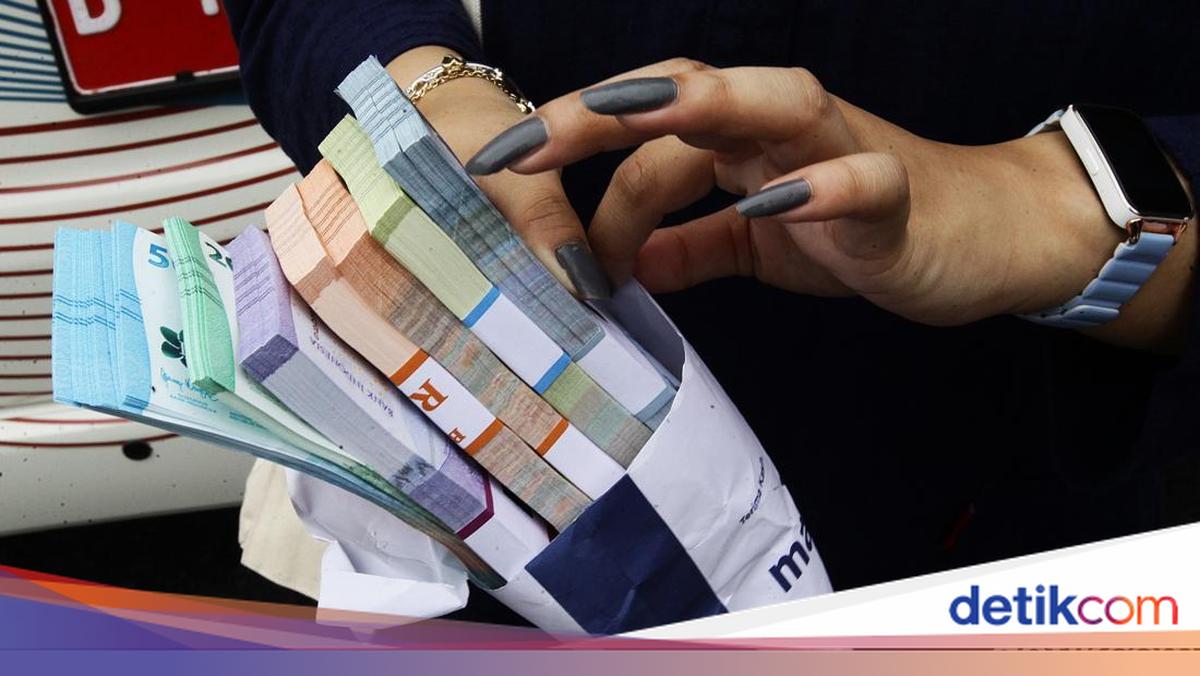
Jakarta, Indonesia – Bank Indonesia (BI) is responding to significant public demand for novel Rupiah banknotes ahead of the Eid al-Fitr holiday by extending the ordering period and increasing quota availability. The move, announced on Sunday, February 22, 2026, aims to ensure sufficient cash circulation during the traditionally high-spending period surrounding Ramadan and Eid al-Fitr. This comes as Indonesia anticipates a rise in inflation leading up to these important religious observances, according to recent reports.
The increased demand is being channeled through the Semarak Rupiah Berkah Idulfitri (SERAMBI) 2026 program, designed to facilitate the exchange of used banknotes for new ones. Ramdan Denny Prakoso, Executive Director of the Communications Department at Bank Indonesia, confirmed that the quota increase and schedule extension specifically apply to the second phase of ordering through the PINTAR application for the Java region. Maintaining financial stability is a key priority for Bank Indonesia, as evidenced by its recent decision to hold the BI-Rate at 5.75% as reported by Bank Indonesia.
Expanded Access for Java and Beyond
Beginning February 24, 2026, at 8:00 WIB (Western Indonesian Time), residents of Java will be able to place orders for new Rupiah banknotes more quickly through the PINTAR app, with availability continuing until quotas are exhausted. For those residing outside of Java, the original schedule remains in effect, with ordering opening on February 27, 2026, at 8:00 WIB, similarly subject to quota limitations. This staggered approach is intended to manage demand effectively across the archipelago.
Bank Indonesia is preparing a substantial supply of cash to meet the anticipated needs of the public. A total of Rp 185.6 trillion (approximately $11.8 billion USD based on current exchange rates – though What we have is subject to fluctuation) in usable currency has been allocated. BI has earmarked Rp 8.6 trillion (approximately $547 million USD) specifically for exchange services, offering packages valued at Rp 5.3 million (approximately $337 USD) each. These services will be available at 2,883 locations, facilitated by a network of 8,755 service points operated by both Bank Indonesia and commercial banks throughout Indonesia.
How to Exchange Your Rupiah
The process for exchanging banknotes is streamlined through the PINTAR application, accessible via pintar.bi.go.id. Users will initially enter a waiting room while the system manages the queue. During this wait, real-time updates on estimated wait times and available exchange locations are provided. Once a slot becomes available, users can select the ‘Penukaran Uang Rupiah Melalui Kas Keliling’ (Rupiah Exchange via Mobile Cashier) service.
The application guides users through a series of steps, including selecting a nearby province, choosing a preferred exchange time, and inputting personal details such as their national identification number (NIK), name, phone number, and email address. Users then specify the desired amount of Rupiah to exchange and complete a CAPTCHA verification. A booking confirmation is generated, which can be downloaded and either printed or saved digitally. This confirmation, along with a valid form of identification (KTP), is required at the exchange location.
Step-by-Step Guide to Using PINTAR
- Step 1: Access PINTAR: Visit pintar.bi.go.id and navigate the waiting room.
- Step 2: Select Service: Choose ‘Penukaran Uang Rupiah Melalui Kas Keliling’ once your turn is available.
- Step 3: Choose Location: Select your nearest province and view available locations.
- Step 4: Schedule Exchange: Pick a convenient time slot.
- Step 5: Enter Details: Provide accurate personal information.
- Step 6: Input Amount: Specify the amount of Rupiah you wish to exchange.
- Step 7: Review Booking: Verify all details are correct.
- Step 8: Download Confirmation: Save or print your booking confirmation and bring it with your KTP to the exchange.
The government and Bank Indonesia are working in close coordination to manage inflation in 2026 as highlighted in a recent joint statement. This collaborative effort underscores the importance of maintaining economic stability during the Eid al-Fitr period, a time of increased consumer spending and economic activity. The availability of new Rupiah banknotes is a crucial component of this strategy, ensuring smooth transactions and facilitating commerce.
The SERAMBI program isn’t simply about providing new currency; it’s about ensuring the quality and integrity of the Rupiah in circulation. By encouraging the exchange of worn or damaged banknotes, Bank Indonesia aims to maintain public confidence in the national currency and support the overall health of the Indonesian economy. The program’s success hinges on the efficient operation of the PINTAR application and the widespread availability of exchange locations.
As the demand for new Rupiah banknotes continues to rise, Bank Indonesia remains committed to adapting its strategies and ensuring that all citizens have access to the currency they require for a prosperous and joyful Eid al-Fitr celebration. The next key date to watch is February 24th, when the accelerated ordering process begins for residents of Java. Further updates and information regarding quota availability will be posted on the Bank Indonesia website and through the PINTAR application.
We encourage readers to share their experiences with the PINTAR application and the SERAMBI program in the comments below. Your feedback is valuable as Bank Indonesia works to improve this essential service.