
The Argentine countryside is on alert following the confirmation of a case of highly pathogenic avian influenza – commonly known as bird flu – in wild birds at Laguna La Salada Grande, near General Madariaga, Buenos Aires province. Even as the detection has raised concerns, authorities emphasize that, thus far, it does not alter Argentina’s status as free of highly pathogenic avian influenza, and commercial operations and exports remain unaffected. As a physician and health journalist, I understand the anxieties surrounding avian influenza, and it’s crucial to provide accurate, evidence-based information to address public concerns.
The outbreak was identified after samples taken from deceased birds – including hooded gulls (Larus maculipennis), coscoroba swans (Coscoroba coscoroba), and black-necked swans (Cygnus melancoryphus) – tested positive for the H5 avian influenza virus at the SENASA (National Food Safety and Quality Service) Official Laboratory in Martínez. This discovery prompts a heightened state of vigilance, particularly for poultry producers and those who keep backyard flocks. The situation underscores the ongoing global threat posed by avian influenza and the importance of robust surveillance and preventative measures.
Avian Influenza in Argentina: Current Status and Global Context
SENASA has confirmed that Argentina maintains its self-declared status as free of highly pathogenic avian influenza since September 2025. This declaration is critical for maintaining international trade relationships and ensuring the continued export of Argentine poultry products. However, the detection of the virus in wild birds serves as a reminder that the virus is circulating in the environment and poses a potential risk. The World Organisation for Animal Health (WOAH), formerly known as the Office International des Épizooties (OIE), maintains a comprehensive global avian influenza situation report, highlighting ongoing outbreaks in various regions worldwide. WOAH’s website provides up-to-date information on the global spread of the virus and recommended control measures.
Gripe Aviar
Avian influenza viruses are categorized into subtypes based on two proteins: hemagglutinin (H) and neuraminidase (N). Subtypes H5 and H7 are of particular concern due to their potential to cause highly pathogenic avian influenza (HPAI), leading to severe illness and high mortality rates in birds. While most avian influenza viruses do not readily infect humans, certain strains, such as H5N1, have demonstrated the ability to cross the species barrier and cause illness in people. According to the World Health Organization (WHO), between 2003 and 2022, 868 human cases of H5N1 avian influenza were reported globally. The WHO provides detailed information on avian influenza and its impact on human health.
Understanding the Risk to Humans
The primary risk to humans from avian influenza is through direct contact with infected birds – either live or deceased – or with environments contaminated by their secretions. Transmission occurs when these secretions come into contact with the eyes, nose, or mouth, or are inhaled. The Argentine Ministry of Health has emphasized that consuming poultry meat or its derivatives does not pose a risk of infection. However, it is crucial to practice excellent hygiene and avoid contact with potentially infected birds, especially for those working in poultry farming or wildlife rehabilitation.
La salada grande laguna de general madariaga

Preventative Measures and Recommendations
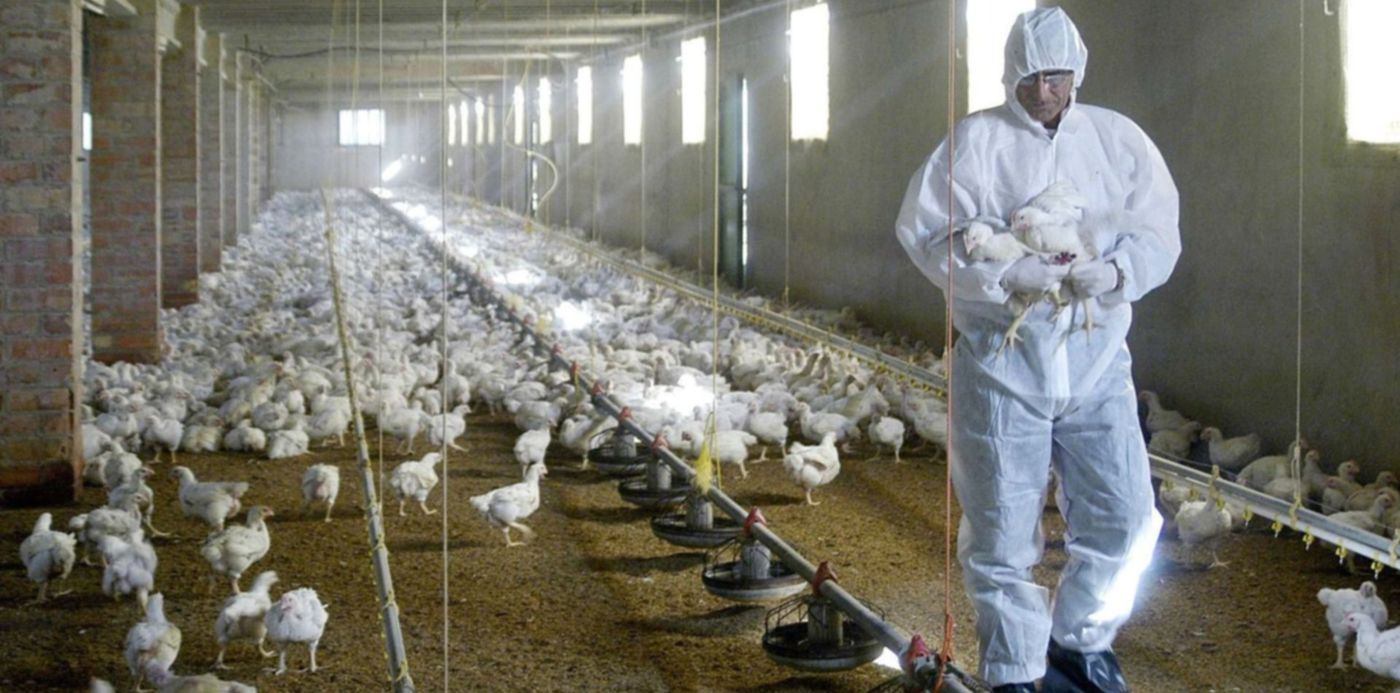
SENASA has issued recommendations to both commercial poultry producers and individuals with backyard flocks to mitigate the risk of avian influenza spread. These recommendations include reinforcing biosecurity measures, such as strict hygiene protocols, controlling access to poultry facilities, and preventing contact between domestic birds and wild birds. For those keeping poultry at home, it is advised to house birds in protected enclosures, use dedicated clothing and footwear when interacting with them, and regularly disinfect facilities. Promptly reporting any signs of illness – including sudden deaths, respiratory distress, or neurological symptoms – to SENASA is also crucial.
The importance of biosecurity cannot be overstated. This includes measures like disinfecting equipment, controlling rodent populations, and implementing strict visitor protocols. Producers should also review and update their avian influenza contingency plans to ensure they are prepared to respond effectively to an outbreak. Further guidance on biosecurity practices can be found on the United States Department of Agriculture (USDA) website. The USDA’s biosecurity resources offer comprehensive information for poultry producers.
Gripe aviar
SENASA continues to monitor the situation closely and is conducting ongoing surveillance to detect any further cases of avian influenza. The next update from SENASA regarding the avian influenza situation is expected on March 7, 2026. Individuals can report suspected cases of avian influenza to SENASA through their regional offices, by phone, email, or via the official online reporting form. Staying informed and vigilant is key to protecting both poultry populations and public health.
I encourage readers to share this information with their communities and to remain proactive in implementing preventative measures. Please feel free to exit your questions and comments below, and let’s continue the conversation about protecting ourselves and our environment from this evolving threat.
Related reading