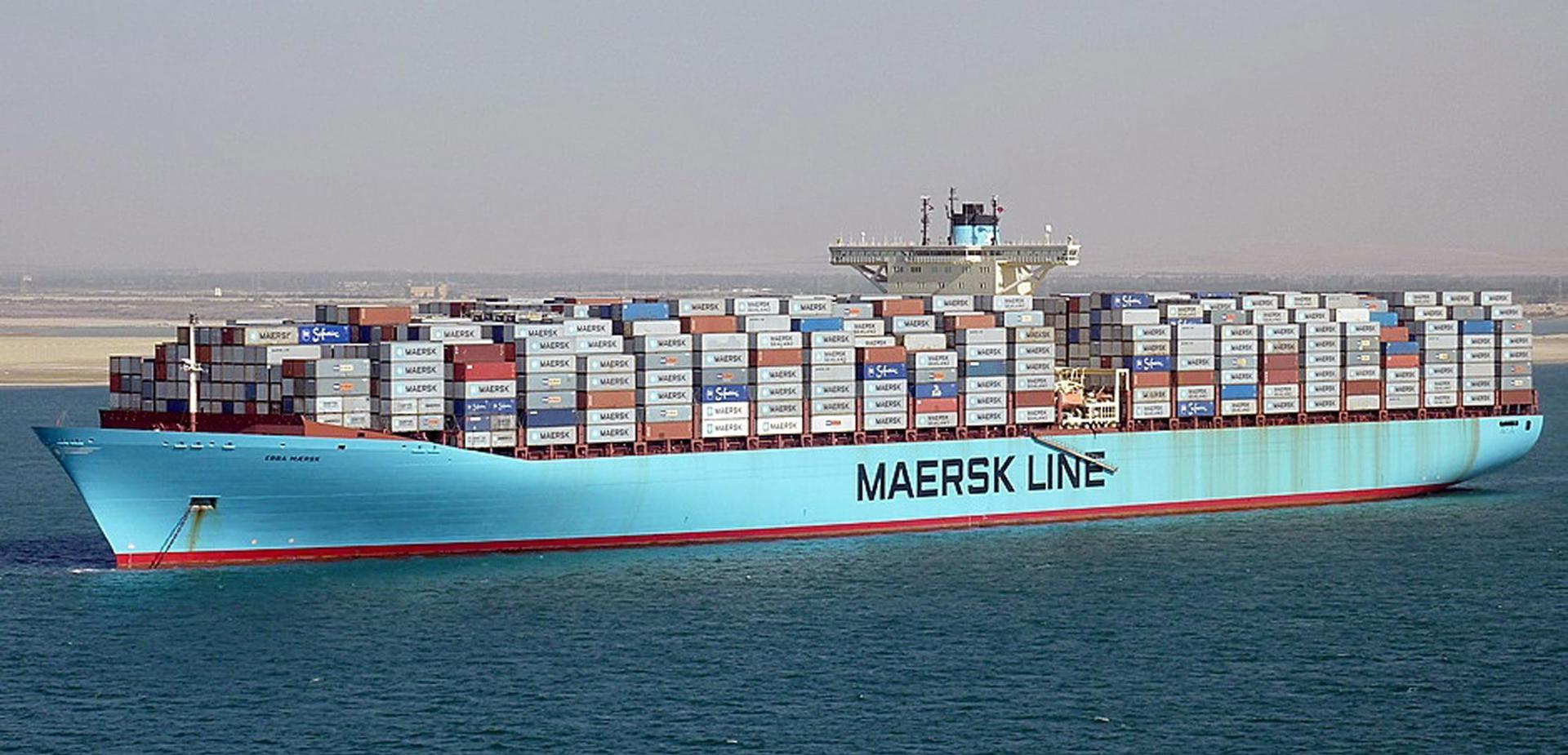
The global container shipping industry is at a pivotal moment. After years of prosperity fueled by pandemic-era logistical disruptions, the so-called “golden age” is drawing to a close and the impact is already being felt by industry giants like Maersk. The Danish shipping company recently announced a workforce reduction of over 1,000 employees, following a challenging 2025, signaling a shift towards a novel phase characterized by fleet overcapacity, declining freight rates, and the need for structural adjustments.
The pandemic initially created unprecedented logistical bottlenecks, driving up transportation costs and contributing to global inflation. However, this situation proved to be a temporary anomaly. Whereas the initial disruptions lingered, the emergence of the Red Sea crisis, forcing ships to divert routes to avoid attacks, added further complexity and costs. But beneath these geopolitical tensions and strategic diversions lay a more fundamental issue: an oversupply of vessels. During the period of record-high freight rates, shipping companies ordered hundreds of new ships, which are now entering the market just as demand is waning due to reconfiguring supply chains and a more cautious international trade environment.
Maersk’s recent actions are indicative of a broader industry recalibration. The combination of lower demand, excess capacity, and geopolitical pressures has significantly reduced profit margins, forcing major carriers to rethink their business models. The company’s decision to reduce its workforce is a direct response to the need to contain costs in what many analysts describe as the most complex environment the sector has faced in decades. This isn’t simply a Maersk issue; it reflects a systemic challenge facing the entire container shipping industry.
Maersk’s 2025 Performance and Strategic Shift
According to a press release issued on February 5, 2026, A.P. Moller – Maersk A/S (OMX: MAERSK-B) delivered a strong performance across all businesses in 2025, with results reaching the top end of its financial guidance. The company reported 4.9% volume growth in its Ocean business despite volatile markets. Logistics & Services also saw improved profitability through targeted refocusing efforts, and Terminals achieved its strongest financial performance ever, with record volumes, revenue, and EBIT. Despite this overall positive performance, the company is proactively addressing the changing market conditions.
Maersk has initiated a share buy-back program totaling USD 1.0 billion to be executed over 12 months. The company is restructuring its Logistics & Service products into three subsegments: Landside, Forwarding, and Solutions. A key component of this strategic shift involves a USD 180 million reduction in corporate overhead costs. These measures demonstrate Maersk’s commitment to adapting to the new realities of the global shipping landscape and maintaining financial stability.
The Broader Industry Context: Overcapacity and Declining Rates
The current downturn isn’t a sudden event; it’s the result of a complex interplay of factors. The surge in demand during the pandemic led to unprecedented freight rates, incentivizing shipping companies to invest heavily in new vessels. However, as pandemic-related disruptions eased and global economic growth slowed, demand began to normalize. Simultaneously, the influx of new ships increased capacity, creating a significant imbalance between supply and demand. This imbalance has driven down freight rates, squeezing profit margins for carriers.
The situation is further complicated by geopolitical factors, such as the ongoing crisis in the Red Sea. While these events temporarily increased shipping costs due to longer routes and increased fuel consumption, they ultimately masked the underlying issue of overcapacity. The Red Sea crisis, while disruptive, did not fundamentally alter the long-term trend of declining freight rates and increasing competition.
Analysts predict that global container market volume growth will be between 2-4% in 2026, according to Maersk’s projections. This relatively modest growth rate suggests that the industry will continue to face challenges related to overcapacity and pricing pressure.
Maersk’s History and Future Outlook
Founded in 1904 as a modest family-owned shipping company in Denmark, Maersk has evolved into a key player in global commerce and a pillar of modern logistics. Throughout its history, the company has navigated wars, economic crises, and technological revolutions, consistently adapting to changing market conditions. Maersk’s ability to redefine how goods move between countries and continents has been central to its success.
However, the current challenges represent one of the most significant tests in the company’s history. The future of Maersk, and indeed the entire container shipping industry, will depend on its ability to embrace efficiency, adapt to a fragmented world, and forge strong partnerships with customers. The company’s focus on streamlining operations, reducing costs, and investing in new technologies will be crucial for navigating the uncertain waters ahead.
The industry is entering a period of consolidation and rationalization, with companies likely to seek mergers and acquisitions to achieve economies of scale and improve efficiency. The coming years will likely see a further tightening of capacity as older, less efficient vessels are retired and new, more sustainable ships enter the fleet. The emphasis will be on providing reliable, cost-effective, and environmentally responsible shipping solutions.
Key Takeaways
- Industry Downturn: The container shipping industry is experiencing a downturn after a period of pandemic-fueled growth.
- Overcapacity: A significant oversupply of vessels is driving down freight rates and squeezing profit margins.
- Maersk’s Response: Maersk is responding with workforce reductions, cost-cutting measures, and a strategic restructuring of its logistics operations.
- Future Outlook: The industry is expected to undergo consolidation and rationalization, with a focus on efficiency and sustainability.
Looking ahead, the next key development to watch will be Maersk’s full financial report for the first quarter of 2026, expected in May. This report will provide further insight into the company’s performance and its progress in implementing its strategic initiatives. The shipping industry remains a vital component of the global economy, and its ability to adapt to these challenges will have far-reaching consequences for international trade and supply chains. We encourage readers to share their thoughts and perspectives on these developments in the comments below.
Worth a look