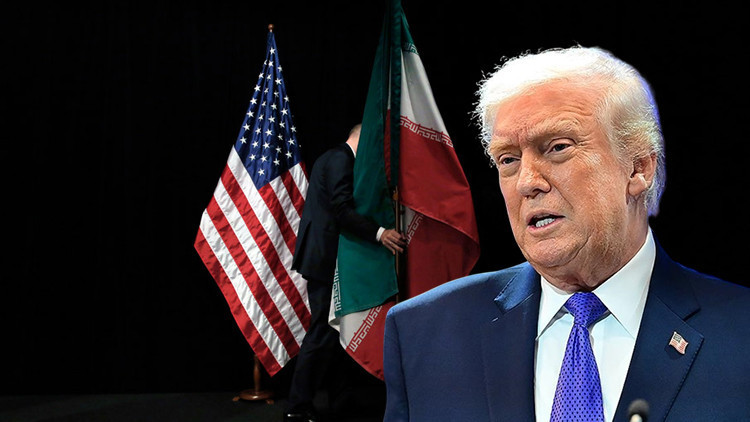
Iranian Mobile Users Receive Mysterious Pro-Trump Texts Amid Reported System Hack
Tehran – Millions of Iranian mobile phone users received an unexpected text message on February 23, 2026, praising former U.S. President Donald Trump. The message, which read “ABD Başkanı eylem adamıdır. Bekleyip görelim.” (roughly translated as “The U.S. President is a man of action. Let’s wait and see”), sparked confusion and speculation across the country. Investigations quickly revealed the messages were not sent by any official source, but rather the result of a hack targeting a bulk SMS messaging system. This incident highlights the growing vulnerability of communication infrastructure to cyberattacks and the potential for disinformation campaigns in the region.
The unusual texts were received by a significant number of Iranians throughout the day, prompting widespread discussion on social media. The timing of the messages, coming amidst ongoing tensions between Iran and the United States, further fueled concerns about potential external interference. Initial reports suggested a possible coordinated effort to influence public opinion, but authorities swiftly moved to debunk those theories. The incident underscores the complex geopolitical landscape and the constant undercurrent of information warfare that characterizes relations between the two nations.
System Hack Confirmed by Iranian Authorities
According to Iran’s semi-official Fars News Agency, the messages were sent through a compromised bulk SMS system used for advertising purposes. The agency reported that the system had been hacked, allowing unauthorized access to its subscriber list. “The SMS with the message ‘The U.S. President is a man of action. Let’s wait and see’ was sent as a result of hacking a system used for sending bulk advertising messages,” Fars News Agency stated. The agency further clarified that approximately 50,000 subscribers were affected by the breach. NTV Haber also reported on the hack, confirming the Fars News Agency’s account.
Even as the exact method of the hack remains under investigation, cybersecurity experts suggest that vulnerabilities in the SMS gateway infrastructure were likely exploited. Bulk SMS systems, often used by businesses for marketing campaigns, can be attractive targets for hackers due to the large number of contacts they hold. A successful breach allows attackers to disseminate messages to a wide audience, potentially causing disruption or spreading misinformation. The incident serves as a stark reminder of the importance of robust cybersecurity measures for companies handling sensitive data.
The Role of Bulk SMS Messaging and Potential Vulnerabilities
Bulk SMS messaging remains a popular communication tool for businesses and organizations globally, particularly in regions where mobile phone penetration is high. However, the industry has faced increasing scrutiny regarding security vulnerabilities. SMS gateways, which connect mobile networks to messaging platforms, can be susceptible to various attacks, including SIM swapping, phishing, and direct system breaches. Hurriyet reported on the incident, highlighting the system hack as the source of the messages.
Experts emphasize the demand for enhanced security protocols, including multi-factor authentication, regular security audits, and robust intrusion detection systems. Stricter regulations and oversight of SMS gateway providers are crucial to mitigate the risk of future attacks. The Iranian incident underscores the global nature of cybersecurity threats and the importance of international cooperation to address these challenges. The vulnerability of these systems extends beyond Iran, posing a risk to users worldwide.
Geopolitical Context and Potential Motivations
The timing of the pro-Trump messages is particularly noteworthy given the strained relationship between Iran and the United States. While Iranian officials have dismissed any suggestion of a direct link between the hack and external actors, the incident inevitably raises questions about potential motivations. The messages could be interpreted as an attempt to sow discord within Iranian society or to undermine public trust in the government. However, without conclusive evidence, attributing the hack to a specific entity remains speculative.
The former U.S. President, Donald Trump, has consistently taken a hard line against Iran, withdrawing the United States from the Joint Comprehensive Plan of Action (JCPOA), commonly known as the Iran nuclear deal, in 2018. His administration imposed a series of sanctions on Iran, significantly impacting its economy. The messages, could be seen as a symbolic gesture of support for Trump’s policies, even if the hack itself was not directly orchestrated by him or his supporters. The incident adds another layer of complexity to the already fraught relationship between the two countries.
Impact and Response
The Iranian government has condemned the hack and launched an investigation to identify the perpetrators. Authorities have assured the public that they are taking steps to enhance cybersecurity measures and prevent similar incidents from occurring in the future. The incident has also prompted a broader discussion about the need for greater digital literacy and awareness among Iranian citizens. The spread of misinformation and disinformation poses a significant threat to social stability, and educating the public about how to identify and report suspicious activity is crucial.
The incident also highlights the challenges faced by Iran in combating cyberattacks. The country has been the target of numerous cyberattacks in recent years, attributed to various state and non-state actors. Iran has invested heavily in its own cybersecurity capabilities, but it continues to face significant challenges in defending its critical infrastructure and protecting its citizens from online threats. The ongoing cyber conflict between Iran and its adversaries is likely to intensify in the years to arrive.
As of February 24, 2026, Iranian authorities continue to investigate the source of the hack and are working to secure the compromised SMS system. Further updates will be provided as the investigation progresses. Readers are encouraged to share their thoughts and experiences in the comments section below.
Related reading
- Just Go Home”: Jeffrey Sachs on Why the U.S. Must End the War on Iran
- Drone Strikes Cripple Russian Refineries: Fuel Crisis Forces Import of Gasoline
- Trump Administration Invites AI Giants to Discuss New Cybersecurity Safety Tests (time.news)
- Xi’s AI Conference Speech: A Strategic Message to the US and the World (newsdirectory3.com)