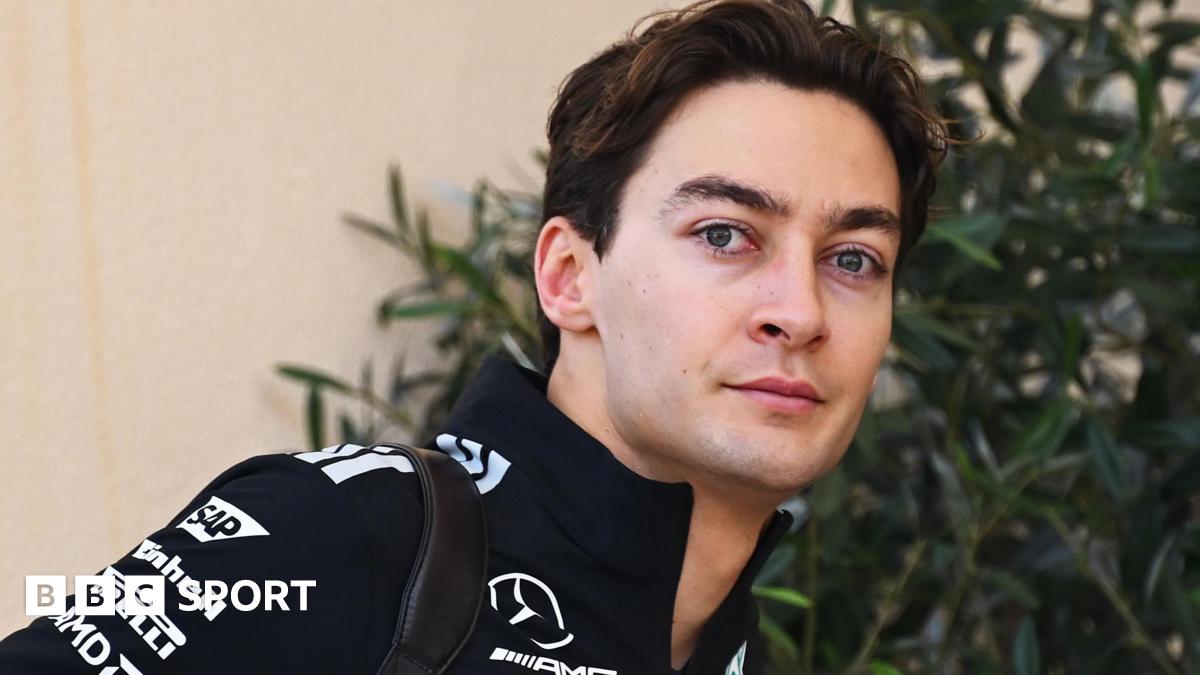
The dawn of the 2026 Formula 1 season is already proving to be a complex one, marked by significant changes to engine regulations and aerodynamic design. Pre-season testing in Bahrain has revealed a divergence of opinion amongst drivers regarding the new generation of cars, with concerns raised about the driving experience and the focus shifting from pure driver skill to energy management. While some, like Lewis Hamilton, have expressed a positive outlook, others, including Mercedes’ George Russell, are acknowledging the challenges presented by the new technology, particularly the intricacies of maximizing energy recovery while maintaining optimal performance. The evolving feedback from the paddock suggests a period of adjustment and refinement will be crucial before the season opener.
Russell, speaking after testing at the Bahrain International Circuit, highlighted the “complicated” nature of the new power units. He noted that while the handling and ride quality of the 2026 cars represent an improvement over their predecessors, the demands placed on drivers to manage energy levels are substantial. This isn’t simply about pace; it’s about understanding how driving style impacts the entire system, a nuance that wasn’t as prominent in previous F1 generations. The shift in focus, Russell explained, requires a different approach to cornering and a deeper understanding of the interplay between the engine, turbocharger, and energy recovery systems. This new dynamic is forcing drivers to rethink fundamental aspects of racecraft, potentially diminishing the emphasis on instinctive driving and increasing reliance on data analysis and strategic energy deployment.
New Engine Demands Alter Driving Styles
One of the most striking revelations from Russell’s comments, and echoed by others in the paddock, is the need to run engines at unusually high revolutions, even in corners where lower gears would traditionally be employed. This counterintuitive requirement stems from the need to keep the turbocharger spinning and maximize energy recovery. Russell illustrated this point with a relatable analogy, comparing it to selecting the wrong gear while navigating a roundabout. As reported by ESPN, the need to maintain high engine speeds to optimize energy harvesting is a significant departure from conventional racing lines and driver instincts. The cars, designed for optimal performance in third gear through certain corners, now require first gear to achieve the necessary engine speed. This adjustment, while necessary for energy management, feels unnatural and compromises the traditional driver experience.
This isn’t merely a matter of gear selection. Russell emphasized that the impact of driving choices isn’t immediately apparent. Unlike previous generations of F1 cars, where a faster cornering speed directly translated to a quicker lap time, the 2026 cars require drivers to assess the energy consequences of their actions over an entire lap. A seemingly faster approach through a corner might ultimately prove detrimental if it depletes energy reserves needed later in the lap. This delayed feedback loop adds a layer of complexity, demanding a more analytical and patient approach to driving. The focus has shifted from immediate gratification to long-term energy optimization, a change that fundamentally alters the driver’s role.
Verstappen and Norris’s Shifting Perspectives
The initial reaction to the new cars was mixed, with Max Verstappen of Red Bull Racing initially expressing strong dissatisfaction, comparing them to “Formula E on steroids.” According to the BBC, Verstappen’s comments sparked a debate within the paddock, with Lando Norris of McLaren initially appearing to dismiss the concerns. Though, Norris subsequently walked back his initial statements, admitting that he shared many of Verstappen’s reservations. He explained that his earlier comments were intended to gauge the reaction of others and that he hadn’t wanted to immediately voice complaints upon returning to the track. Norris ultimately conceded that the new cars are “certainly not the purest form of racing,” aligning his views with those of Verstappen and other drivers.
This shift in Norris’s perspective highlights the evolving understanding of the challenges posed by the 2026 regulations. Pitpass.com reported that Norris acknowledged the need for improvements, particularly in optimizing the car’s performance and addressing the complexities of energy management. The initial excitement surrounding the new cars has given way to a more pragmatic assessment, with drivers recognizing the need for significant development operate to unlock their full potential. The initial playful jabs between drivers have subsided, replaced by a shared acknowledgement of the challenges ahead.
Energy Management: The New Battleground
The emphasis on energy management isn’t simply a technical hurdle; it’s a strategic one. Teams will need to develop sophisticated algorithms and driver aids to optimize energy deployment throughout a race. This will involve analyzing track data, predicting energy consumption, and adjusting driving strategies in real-time. The ability to effectively manage energy will likely become a key differentiator between teams, potentially overshadowing traditional factors like aerodynamic efficiency and engine power. The role of the driver will evolve from simply being speedy to being a skilled energy manager, capable of balancing performance with efficiency.
the new regulations are likely to impact overtaking opportunities. The need to conserve energy might force drivers to adopt more defensive driving styles, making it harder to close the gap on rivals. Overtaking maneuvers will require careful planning and precise execution, as drivers will need to ensure they have sufficient energy reserves to maintain their position after the pass. The strategic implications of energy management are far-reaching, potentially altering the dynamics of races and increasing the importance of pit stop strategy.
Looking Ahead: Challenges and Opportunities
The pre-season testing period has provided valuable insights into the challenges and opportunities presented by the 2026 Formula 1 regulations. While the new cars offer improvements in handling and ride quality, the complexities of energy management and the altered driving dynamics require a significant adjustment from drivers and teams. The upcoming races in Melbourne and Jeddah, as Russell pointed out, will provide a more comprehensive assessment of the cars’ performance in diverse track conditions. These circuits, with their high-speed corners and long straights, will place greater demands on the engines and energy recovery systems, revealing further areas for improvement.
The FIA and Formula 1 are actively working with teams to address the concerns raised by the drivers and refine the regulations. The goal is to strike a balance between technological innovation and the core principles of Formula 1: driver skill, competitive racing, and thrilling entertainment. The development of the 2026 cars is an ongoing process, and it’s likely that we’ll see significant changes throughout the season as teams gain a deeper understanding of the new technology. The next major checkpoint will be the first race of the season in Bahrain on March 2nd, where we will see how these initial assessments translate into on-track performance.
What are your thoughts on the new F1 regulations? Do you think the emphasis on energy management will enhance or detract from the racing experience? Share your opinions in the comments below, and don’t forget to share this article with fellow F1 enthusiasts!