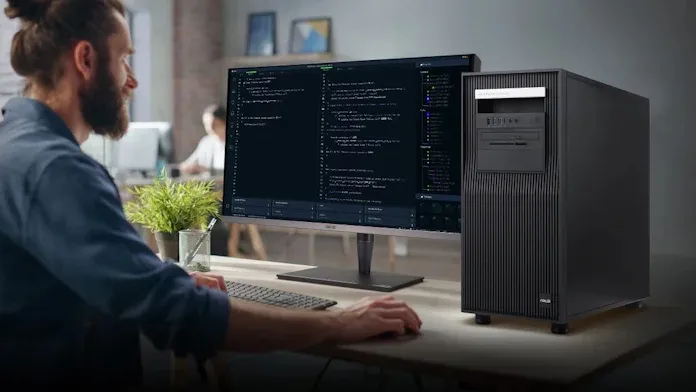
The technology landscape in Germany is experiencing a temporary shift as major PC manufacturers Acer and Asus navigate a patent dispute with Nokia. A German court ruling has temporarily halted direct sales of PCs and laptops from the two companies within the country, stemming from allegations of patent infringement related to the High-Efficiency Video Coding (HEVC) standard, too known as H.265. Although consumers won’t immediately notice products disappear from store shelves, the long-term availability of Acer and Asus devices in Germany is now uncertain as the companies operate to resolve the legal challenge.
The core of the dispute centers around Nokia’s claims that Acer, Asus, and television manufacturer Hisense have infringed upon three of its patents essential to the HEVC video compression standard. This standard is crucial for modern hardware, enabling efficient video encoding and decoding, and is widely used in everything from streaming services to digital cameras. The Munich I Regional Court sided with Nokia, issuing an injunction that prohibits Acer and Asus from “offering, placing on the market, using, or importing or possessing such devices in Germany,” according to reporting from HardwareLuxx.
Impact on Sales and Availability
Despite the court’s ruling, the immediate impact on consumers is expected to be limited. Existing stock held by German retailers remains unaffected, meaning shoppers can still purchase Acer and Asus products currently in stores. However, the injunction prevents the companies from replenishing those inventories with new units, raising concerns about potential shortages in the medium term. Both Acer and Asus have temporarily suspended direct sales through their own online stores in Germany.
As of February 24, 2026, the official German online store for Asus was briefly offline for “service enhancements” but has since returned, though the laptop and system sections have been removed. The Asus Germany website remains functional for driver downloads, BIOS updates, and other utilities. Acer’s website is also undergoing changes, and while the online store is currently accessible, laptops and PCs are no longer listed. A banner on the Acer Germany site explains the situation to customers, assuring them that software updates will continue for existing products. The message states, “Unfortunately, some Acer products are currently unavailable in Germany. You will not currently find any information about these models on our German-language website. If you are already using such an Acer product in Germany, you will of course continue to receive all future software updates. Many other interesting products are still available – discover them now here.”
The HEVC Patent Dispute Explained
The High-Efficiency Video Coding (HEVC) standard, also known as H.265, is a video compression standard that allows for significantly smaller file sizes compared to older codecs like H.264, while maintaining comparable video quality. This makes it ideal for streaming high-resolution content, such as 4K and 8K video, and for storing large video files. The patents held by Nokia are considered “standard-essential patents” (SEPs), meaning they are crucial for implementing the HEVC standard. Companies wishing to use HEVC technology are generally required to license these patents from Nokia under Fair, Reasonable, and Non-Discriminatory (FRAND) terms.
The court determined that Acer and Asus were not acting as willing licensees under the applicable FRAND framework. This means the court found that the companies were either unwilling to negotiate a license with Nokia or that the terms they were offering were not considered fair, reasonable, and non-discriminatory. The injunction granted by the court is intended to compel Acer and Asus to engage in good-faith negotiations with Nokia and to obtain a proper license for the use of the patented HEVC technology. Similar disputes have arisen previously; Amazon faced a sales ban in 2024 over patent issues, requiring modifications to its Fire TV Sticks, and OnePlus experienced a similar situation in Germany in 2023. Notebookcheck.net details these prior cases.
Seeking a Resolution: Licensing and Negotiations
Both Acer and Asus are actively seeking a resolution to the dispute. According to Tom’s Hardware, representatives from both companies have indicated they are working to reach an agreement with Nokia. The most likely path forward involves obtaining a license for the HEVC technology, which would allow them to resume sales in Germany. Hisense, also named in Nokia’s complaint, is reportedly pursuing a similar licensing agreement. Nokia has stated its willingness to continue negotiations with all three companies and seeks “fair compensation for the use of its technology.”
The financial implications of this dispute are significant. Licensing fees for essential patents can be substantial, and the cost of disruption to sales in a major market like Germany could be considerable for all parties involved. The situation highlights the complexities of patent licensing in the technology industry and the importance of adhering to FRAND terms. The outcome of this case could set a precedent for future patent disputes involving essential technologies.
What This Means for Consumers
While the immediate impact on consumers is minimal, the ongoing dispute could lead to higher prices for PCs and laptops in Germany if Acer and Asus are forced to pay significant licensing fees to Nokia. It could also limit consumer choice if the companies are unable to resolve the dispute and are forced to withdraw from the German market altogether. For now, consumers in Germany can still purchase existing stock of Acer and Asus products, but they should be aware that availability may become limited in the coming months.
The situation also underscores the broader importance of open standards and interoperability in the technology industry. When companies rely on patented technologies, it can create barriers to entry and limit innovation. The HEVC standard, while offering significant benefits in terms of video compression, is subject to complex patent licensing issues that can hinder its widespread adoption.
The legal battle between Nokia and Acer/Asus is a reminder of the intricate web of intellectual property rights that govern the technology we use every day. The resolution of this dispute will not only determine the fate of PC sales in Germany but could also have broader implications for the future of video compression technology and patent licensing practices.
As of February 24, 2026, the companies are continuing negotiations with Nokia. The next steps will likely involve further legal proceedings or a potential settlement agreement. World Today Journal will continue to monitor this situation and provide updates as they become available.
What are your thoughts on this patent dispute? Share your comments below and let us know how this might affect your purchasing decisions.
Keep reading