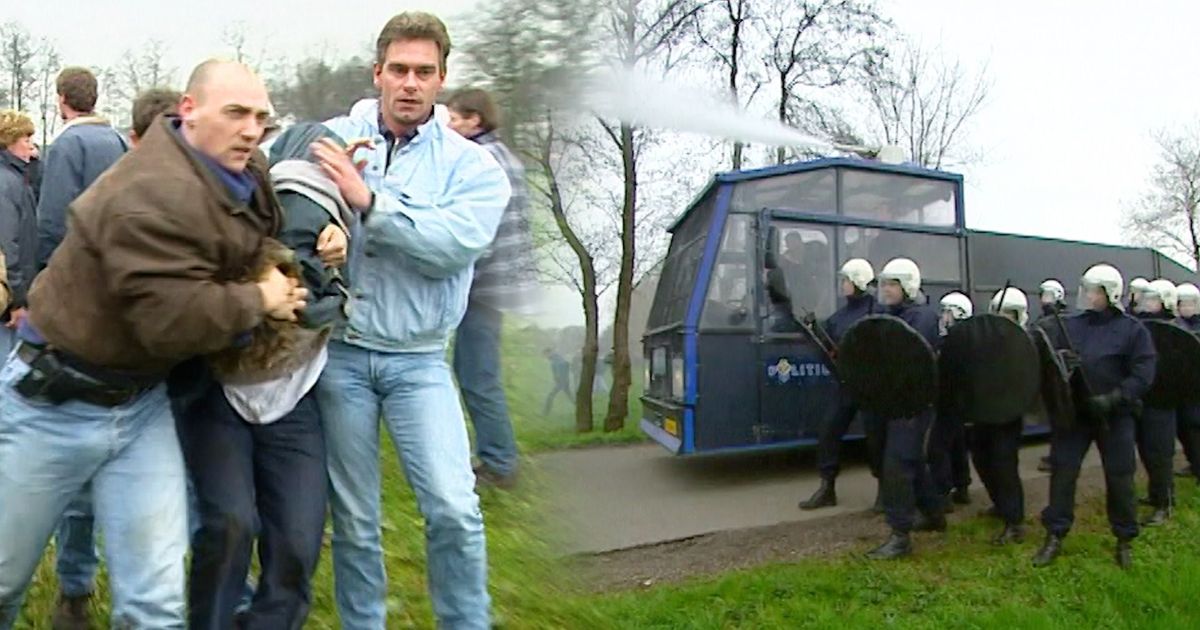
Twenty-five years after a devastating outbreak of foot-and-mouth disease (FMD), or *Mond- en Klauwzeer* (MKZ) as it’s known in the Netherlands, the scars remain palpable for farmers and communities in the Gelderland province. The crisis of 2001, which saw the culling of millions of livestock across Europe, is being revisited this year as the Netherlands remembers the economic and emotional toll of the epidemic. Although the immediate threat appears to have subsided, recent reports of MKZ in other parts of the world, and ongoing vigilance regarding animal diseases, underscore the continued importance of biosecurity and rapid response measures.
The current situation in Gelderland involves a potential, though not yet confirmed, outbreak. Dutch authorities are awaiting the results of final investigations before making a definitive decision, according to reports. This uncertainty has already led to the cancellation of the *Jonge Boerendag* (Young Farmers’ Day), a significant event for the agricultural community, demonstrating the sensitivity surrounding even the possibility of a recurrence. The anxieties are understandable, given the profound impact of the 2001 crisis, and the potential for widespread disruption to the agricultural sector and beyond.
The 2001 Foot-and-Mouth Disease Crisis: A Region in Crisis
Foot-and-mouth disease is a highly contagious viral disease that affects cloven-hoofed animals – primarily cattle, pigs, sheep, and goats. The disease isn’t typically fatal to adult animals, but causes fever, loss of appetite, and the development of painful blisters in the mouth, on the tongue, and on the feet. This leads to significant economic losses due to reduced productivity, trade restrictions, and the costs associated with controlling the outbreak. The 2001 outbreak in Europe, and particularly in the UK and the Netherlands, was one of the most severe in decades.
In the Netherlands, the 2001 crisis was particularly acute. According to a retrospective published on YouTube by GLD doc, tens of thousands of animals were culled, both to control the spread of the disease and as a preventative measure. The preventative culling, while necessary from a disease control perspective, caused immense distress to farmers and rural communities. The town of Kootwijkerbroek, in Gelderland, was particularly hard hit, with the mass disposal of animal carcasses leaving a lasting mark on the landscape and collective memory.
The scale of the 2001 outbreak prompted a comprehensive review of biosecurity measures and disease control protocols across Europe. The crisis highlighted the importance of early detection, rapid response, and effective communication between authorities, farmers, and the public. The economic consequences were substantial, with the agricultural sector facing significant losses and trade restrictions impacting exports.
Current Concerns and the Threat of Re-emergence
The current concerns in Gelderland stem from a renewed awareness of the potential for FMD to re-emerge. The recent reports of outbreaks in other regions, coupled with the ongoing threat of animal diseases like avian influenza, have heightened vigilance among Dutch authorities and farmers. The cancellation of the *Jonge Boerendag* is a clear indication of the seriousness with which the situation is being taken.
The question of whether the current situation will escalate into a full-blown outbreak remains unanswered. The Dutch Minister of Agriculture is awaiting the results of final investigations before making a decision, emphasizing the need for a cautious and evidence-based approach. The potential for FMD to spread rapidly, as demonstrated in 2001, underscores the importance of swift and decisive action.
Understanding Foot-and-Mouth Disease
Foot-and-mouth disease is caused by a virus belonging to the *Picornaviridae* family. There are several serotypes of the virus (O, A, C, and SAT1, SAT2, and SAT3), and immunity to one serotype does not necessarily protect against others. The virus is highly contagious and can spread through direct contact with infected animals, contaminated feed and water, and airborne transmission. Humans are rarely infected with FMD, and when it does occur, the illness is typically mild, causing fever and sore throat. However, humans can play a role in spreading the virus by carrying it on their clothing and shoes.
Effective control of FMD relies on a combination of measures, including strict biosecurity protocols on farms, vaccination, and the culling of infected and potentially exposed animals. Rapid diagnosis and reporting of suspected cases are crucial for containing the spread of the disease. International cooperation and information sharing are also essential for preventing and controlling outbreaks.
Lessons Learned and Future Preparedness
The 2001 FMD crisis served as a wake-up call for the Netherlands and the wider European community. The experience led to significant improvements in biosecurity measures, disease surveillance systems, and emergency response plans. Farmers are now more aware of the importance of hygiene practices, movement controls, and vaccination. Authorities have invested in better diagnostic capabilities and improved communication networks.
However, the ongoing threat of animal diseases, coupled with the increasing globalization of trade and travel, means that vigilance remains paramount. The recent concerns in Gelderland serve as a reminder that complacency can be costly. Continued investment in research, surveillance, and preparedness is essential for protecting the agricultural sector and ensuring food security.
As the Netherlands reflects on the 25th anniversary of the 2001 FMD crisis, the focus is not only on remembering the past but also on learning from it and preparing for the future. The hope, as expressed by many in the agricultural community, is that the current situation will prove to be “a storm in a glass of water,” but the lessons of the past demand a proactive and cautious approach.
The Dutch government continues to monitor the situation closely, and further updates will be provided as they become available. Farmers are encouraged to remain vigilant and report any suspected cases of FMD to the authorities immediately.
Key Takeaways:
- The Netherlands is currently on alert for a potential outbreak of foot-and-mouth disease (MKZ) in the Gelderland province.
- The current situation evokes memories of the devastating 2001 FMD crisis, which resulted in the culling of tens of thousands of animals.
- Effective control of FMD requires strict biosecurity measures, rapid diagnosis, and international cooperation.
- Ongoing vigilance and investment in preparedness are essential for protecting the agricultural sector from future outbreaks.
Do you have experiences or insights related to the 2001 FMD crisis or current animal health concerns? Share your thoughts in the comments below. Please also share this article with your network to raise awareness about the importance of biosecurity and disease prevention.