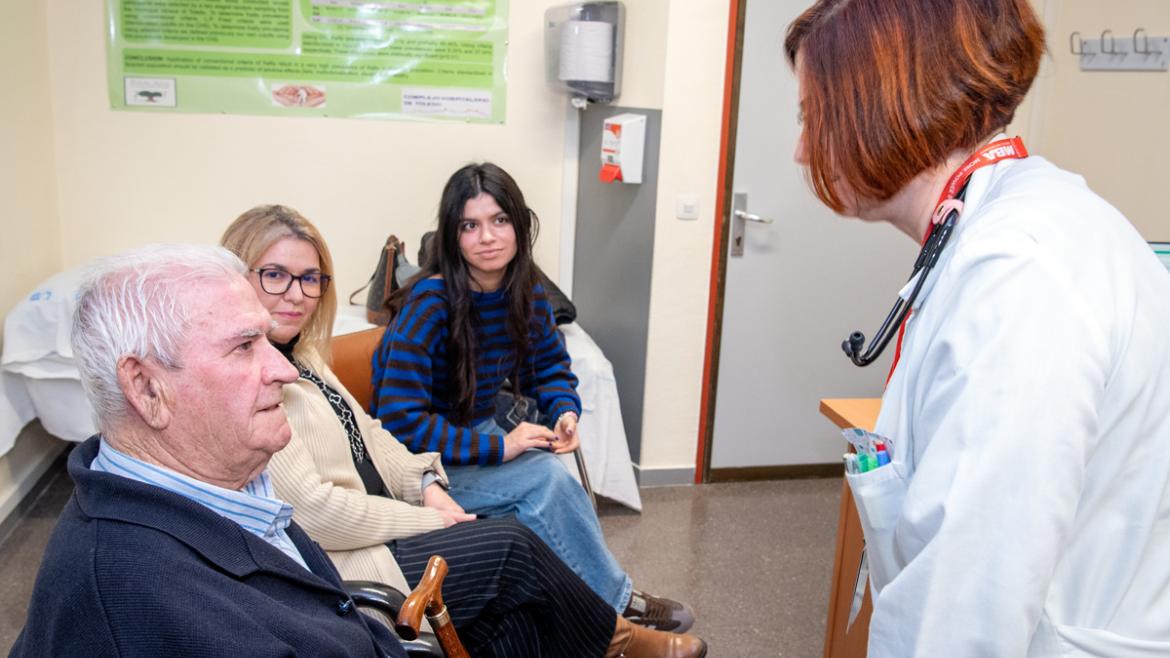
The increasing prevalence of chronic diseases like cancer and cardiovascular illness, coupled with the natural aging process, often leads to a decline in functional capacity among older adults. This decline can significantly impact their ability to live independently, respond to treatment, and maintain a good quality of life. Recognizing this challenge, healthcare providers are increasingly turning to “prehabilitation” – proactive interventions designed to enhance a patient’s strength and resilience *before* they undergo major medical procedures. A pioneering program at the Public University Hospital of Getafe in Spain is demonstrating the potential of this approach, offering a model for integrated geriatric care.
The program, spearheaded by the hospital’s Geriatrics Department, focuses on preparing older patients for complex surgeries, including transcatheter aortic valve implantation (TAVI), and cancer treatments such as chemotherapy, radiotherapy, and certain immunotherapies. The core principle is to anticipate the potentially destabilizing effects of these interventions and proactively build patients’ physical and mental reserves. This isn’t simply about physical fitness; it’s about optimizing a patient’s overall ability to cope with stress and recover effectively. The World Health Organization (WHO) emphasizes the preservation and improvement of functional capacity as the ultimate goal of all healthcare interventions, a philosophy underpinning this innovative approach.
Understanding Sarcopenia and Frailty
Central to the Getafe program is addressing sarcopenia, a condition characterized by the progressive loss of muscle mass, strength, and function. Sarcopenia is particularly common in older adults and is often exacerbated by illness and its treatment. According to research published in the journal *SciELO*, sarcopenia is now recognized as a distinct muscle disease, with low muscle strength being a key diagnostic factor. It’s often linked to, but distinct from, frailty – a broader state of increased vulnerability to stressors. The program also considers the impact of “cachexia,” a condition involving severe weight loss and muscle wasting often associated with chronic diseases like cancer and heart failure. While sarcopenia and cachexia can coexist, their underlying mechanisms differ; cachexia involves excessive breakdown of muscle tissue due to a severe inflammatory state, a process less prominent in sarcopenia.
The program’s success hinges on a comprehensive geriatric assessment. This evaluation goes beyond traditional medical tests, encompassing clinical, functional, cognitive, emotional, nutritional, and social factors. Crucially, it includes an assessment of body composition to identify sarcopenia and differentiate between various frailty phenotypes. This holistic approach ensures that interventions are tailored to each patient’s unique needs, preferences, and values. The European Working Group on Sarcopenia in Older People (EWGSOP) has established criteria for diagnosing sarcopenia, focusing on low muscle strength and muscle mass.
A Multidisciplinary Approach to Prehabilitation
Once a patient is assessed, a multidisciplinary team – including geriatricians, occupational therapists, and nurses – develops an individualized intervention plan. This plan typically focuses on four key pillars: reviewing and optimizing medication lists (addressing polypharmacy and adjusting therapeutic goals based on functional capacity), prescribing a multicomponent exercise program with a strong emphasis on strength training, providing personalized nutritional support, and delivering health education to empower patients to actively manage their health. Regular monitoring allows the team to adjust interventions and provide ongoing support throughout the clinical process.
The program operates within the hospital’s Day Hospital for Geriatrics, collaborating with departments such as Oncology, Gynecology, General and Digestive Surgery, Cardiology, and Urology. In 2025, a total of 70 patients participated in the program. The majority (90%) received guidance to implement the program at home and were re-evaluated during follow-up appointments with their specialists. The remaining 10% required more intensive intervention, attending the Day Hospital for supervised exercise sessions two to three times per week. This flexibility ensures that the program can accommodate varying levels of need and accessibility.
Positive Patient Outcomes and Program Expansion
The program has been exceptionally well-received by patients, who report improvements in their physical condition, a greater sense of support, and increased confidence in facing their treatments. This positive feedback underscores the importance of a patient-centered approach that prioritizes functional preservation and quality of life. The program’s success is also fostering a collaborative dynamic between different hospital departments, streamlining referrals and ensuring that more patients benefit from prehabilitation.
The current challenge, according to hospital officials, is to integrate prehabilitation into routine care pathways. This requires ongoing education and training for healthcare professionals, as well as the development of standardized protocols and resources. The hospital is actively working to address these challenges, recognizing that a systematic approach to prehabilitation is essential for optimizing outcomes for older adults undergoing major medical interventions.
The Getafe hospital’s initiative exemplifies a growing recognition of the importance of proactive geriatric care. By focusing on functional capacity and addressing conditions like sarcopenia and frailty, healthcare providers can empower older adults to navigate the challenges of illness and treatment with greater resilience and independence. This approach not only improves patient outcomes but also aligns with the WHO’s emphasis on preserving function as a central goal of healthcare. The hospital’s commitment to person-centered care, based on evidence and focused on maintaining function during aging, positions it as a leader in geriatric innovation.
Key Takeaways
- Prehabilitation is effective: Proactive interventions to improve functional capacity before medical procedures can significantly enhance patient outcomes.
- Sarcopenia is a key target: Addressing muscle loss and weakness is crucial for optimizing resilience in older adults.
- Multidisciplinary care is essential: A collaborative approach involving geriatricians, therapists, and nurses ensures individualized and comprehensive care.
- Patient empowerment is vital: Educating and engaging patients in their own care promotes active participation and better results.
The hospital continues to monitor the program’s impact and explore opportunities for expansion. Further research is planned to evaluate the long-term benefits of prehabilitation and identify best practices for implementation in other healthcare settings. The next step involves a formal cost-effectiveness analysis, expected to be completed by the complete of 2026, to further demonstrate the value of this innovative approach.
What are your thoughts on the growing importance of prehabilitation in geriatric care? Share your comments below, and please share this article with your network to raise awareness of this vital approach to improving the health and well-being of older adults.
Related reading