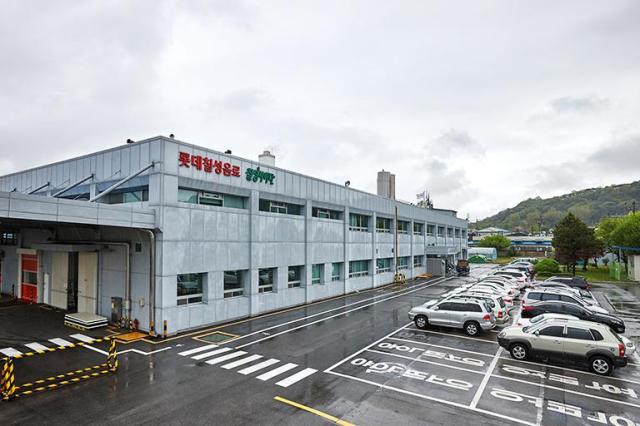
The South Korean food industry is undergoing a period of significant restructuring, with major players like Lotte Wellfood and Binggrae implementing cost-cutting measures including voluntary retirement programs and facility consolidation. This shift comes as companies grapple with declining profitability amid rising costs and a challenging economic climate. The situation reflects a broader trend of “internal streamlining” within the sector, as price increases become increasingly difficult to implement.
The pressures facing Korean food manufacturers are multifaceted. A recent report highlighted a decline in operating profits for major food companies, with some experiencing drops of up to 30%. According to reports, this downturn has prompted companies to seek ways to improve efficiency and reduce expenses. The move towards restructuring is not unique to Lotte and Binggrae; CJ CheilJedang has also announced a comprehensive “systemic improvement” plan, signaling a widespread response to the economic headwinds.
Binggrae and Lotte Wellfood Lead Restructuring Efforts
Binggrae initiated voluntary retirement programs earlier in the year, citing rising costs and sluggish consumer spending as key factors. The company, known for its popular ice cream and dairy products, aims to improve its cost structure in response to these challenges. Similar to Binggrae, Lotte Wellfood has also launched a voluntary retirement program targeting employees aged 45 and over with at least 10 years of service. The program offers severance packages that include statutory retirement benefits, as well as additional payments based on tenure – up to 24 months of salary for those with 15 or more years of service. Employees are eligible for a re-employment support fund of 10 million won and university tuition support of up to 10 million won per child.
Lotte Wellfood’s restructuring extends beyond personnel reductions. The company is also consolidating its facilities to enhance organizational efficiency. This strategic move is part of a broader effort to focus resources on core brands and expand its global presence. The company stated its intention to concentrate on nurturing “mega-brands” and accelerating expansion into international markets.
The Rise of ‘Zero Calorie’ Products and Market Competition
Despite the economic challenges, the Korean ice cream market has seen robust growth, driven largely by the popularity of “zero calorie” products. Both Lotte Wellfood and Binggrae have been actively competing in this segment, introducing new offerings to capture market share. According to a report by the Korea Agricultural & Fisheries Food Trade Corporation (aT), the demand for these healthier options is fueling increased sales and profitability for both companies. In 2023, Binggrae and Lotte Wellfood held an equal share of the ice cream market, while in 2024, Binggrae held a 2.8% lead.
The success of K-desserts, including ice cream, is also contributing to increased export opportunities. K-desserts are gaining recognition internationally, following the popularity of K-food staples like ramen and kimchi. Lotte is focusing on expanding its presence in India, while Binggrae is targeting the United States market. This international expansion is seen as a key strategy for sustained growth.
Broader Trends in the Korean Food Industry
The restructuring within Lotte Wellfood and Binggrae reflects a wider trend of cost-cutting and efficiency improvements across the Korean food industry. CJ CheilJedang, another major player, has announced a comprehensive overhaul of its business structure, emphasizing innovation and financial stability. CJ CheilJedang CEO Yoon Seok-hwan urged all employees to embrace “destructive change and innovation” to transform the company. This includes optimizing business structures, improving financial health, and fostering a culture of innovation.
The industry’s challenges stem from a combination of factors, including domestic economic slowdown, rising raw material costs, and increased competition. Companies are finding it increasingly difficult to pass on higher costs to consumers through price increases, leading to margin compression. They are turning to internal restructuring and efficiency improvements to maintain profitability.
Financial Performance and Future Outlook
Despite the current challenges, analysts remain optimistic about the long-term prospects for Lotte Wellfood and Binggrae. Financial analysts predict that Lotte Wellfood will generate 1.1408 trillion won in revenue and 91.9 billion won in operating profit for the third quarter of 2024, representing a 5% increase in revenue and a 14% increase in operating profit compared to the same period last year. Binggrae is also expected to see strong performance, with projected revenue of 461.8 billion won and operating profit of 69.2 billion won, representing increases of 6.3% and 5.8%, respectively. These figures represent record highs for both companies.
The third quarter is traditionally a peak season for the ice cream industry due to the summer heat. This year, with forecasts of a particularly severe summer, expectations for sales are even higher. The early arrival of hot weather has already begun to drive improved performance. In June 2024, the nationwide average temperature in South Korea reached 22.7°C, the highest since 1973, and the number of days with temperatures exceeding 33°C reached a record high of 2.8 days.
Though, the industry’s future success will depend on its ability to adapt to changing consumer preferences, manage costs effectively, and capitalize on international growth opportunities. The focus on “zero calorie” products and expansion into overseas markets are crucial strategies for navigating the evolving landscape.
The Korean food industry’s current period of restructuring is a response to significant economic pressures. While the measures taken by companies like Lotte Wellfood and Binggrae may be difficult in the short term, they are seen as necessary steps to ensure long-term sustainability and competitiveness. The industry’s ability to innovate and adapt will be key to its future success.
Looking ahead, the industry will be closely monitored for further developments in restructuring efforts and the impact of these changes on employment and consumer prices. The next key event to watch will be the release of the companies’ full financial results for the third quarter of 2024, which will provide a clearer picture of their performance and future outlook.
What are your thoughts on the restructuring within the Korean food industry? Share your comments below and let us know how you suppose these changes will impact consumers and the economy.
Related reading