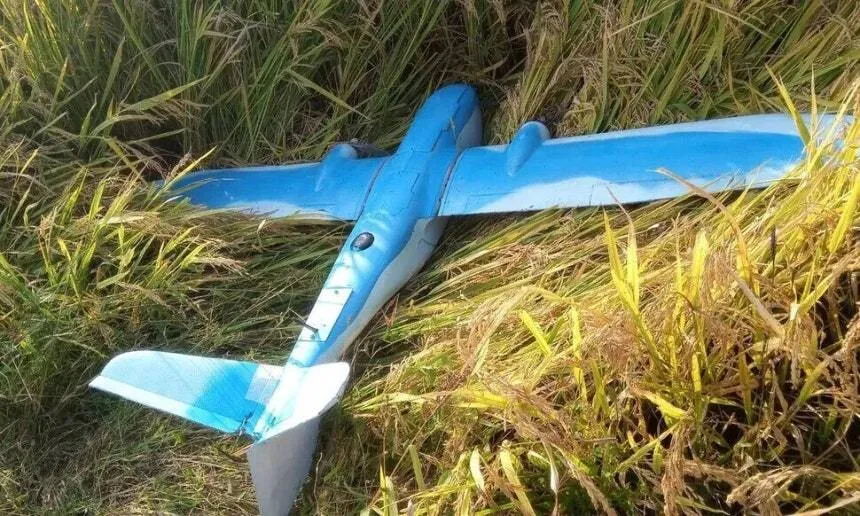
Seoul, South Korea – A graduate student has been arrested in South Korea, accused of jeopardizing national security by repeatedly flying drones into North Korean airspace. The case, which has escalated tensions between the two Koreas, centers around allegations that the individual intentionally provoked a response from Pyongyang, potentially destabilizing the fragile inter-Korean relationship. The arrest underscores the increasing complexity of security challenges in the region, particularly concerning the use of unmanned aerial vehicles.
The suspect, identified only as a 32-year-old male student named Oh, was taken into custody on February 26, 2026, following a court decision to issue an arrest warrant. Seoul Central District Court cited concerns that Oh posed a flight risk and could potentially tamper with evidence. He faces charges including violations of the Aviation Safety Act, the Military Facilities Protection Act, and, most seriously, the National Security Law, specifically the charge of engaging in activities beneficial to an enemy nation – a charge often referred to as “general treason.” The accusations stem from four separate incidents between September 2025 and January 2026, where drones allegedly flown by Oh crossed the heavily fortified Demilitarized Zone (DMZ) and entered North Korean territory.
Drone Flights and North Korean Response
The incidents began to surface publicly after North Korea’s state-run Korean Central News Agency (KCNA) reported the downing of several South Korean drones. On January 10, 2026, the North Korean military claimed to have shot down drones it alleged were launched by South Korea, presenting wreckage as evidence. The North Korean assertion prompted a swift response from South Korean authorities, who initiated an investigation into the claims. The investigation quickly focused on Oh, leading to his arrest and the subsequent charges. The exact purpose of the drone flights remains a key point of contention, with authorities investigating whether they were intended for reconnaissance, provocation, or other illicit activities.
According to the joint military-police task force investigating the case, Oh allegedly designed the drones to fly from Incheon, South Korea, over the North Korean cities of Kaesong and Pyeongsan, before returning to a location in Paju, South Korea. Investigators believe the flights were conducted, at least in part, to test the drones’ capabilities and potentially profit from the venture. Though, the implications extend far beyond a simple commercial operation, as the flights triggered a strong reaction from North Korea, leading to heightened military tensions and inflammatory rhetoric from Pyongyang. The timing of these incidents is particularly sensitive, occurring amidst ongoing concerns about North Korea’s nuclear weapons program and ballistic missile development.
Allegations of External Involvement
The investigation has taken a complex turn with emerging allegations of potential involvement from elements within South Korea’s intelligence and military apparatus. The task force is reportedly examining whether Oh received funding or support from individuals connected to the country’s intelligence services, specifically the National Intelligence Service (NIS) and the military’s intelligence command. Reports indicate that Oh was involved with several online media outlets established in April 2025, and that these outlets may have received financial backing from the military intelligence command. This potential link has raised serious questions about the extent of oversight and control within South Korea’s security agencies.
Seven other individuals have been implicated in the investigation, including a National Intelligence Service employee and a special forces officer who allegedly accompanied Oh during some of the drone flights. These individuals are being investigated for their potential roles in providing financial support, logistical assistance, or operational guidance to Oh. The allegations of government involvement have prompted calls for a thorough and transparent investigation to determine the full extent of any wrongdoing and to hold those responsible accountable. The involvement of state actors, if confirmed, could significantly complicate the already fraught relationship between North and South Korea.
Legal Challenges and Defense Arguments
During his arraignment on February 26, Oh’s legal counsel argued against the charges, asserting that his client lacked the intent to harm North Korea or benefit an enemy nation. The defense team maintained that Oh’s actions were motivated by personal curiosity and a desire to test the capabilities of the drones, rather than any malicious intent. They argued that the charge of “general treason” is overly broad and does not accurately reflect the circumstances of the case. The defense team also emphasized that Oh cooperated fully with investigators and expressed remorse for any unintended consequences of his actions. However, the court ultimately sided with the prosecution, citing concerns about potential evidence tampering and flight risk.
Broader Implications for Inter-Korean Relations
This incident occurs against a backdrop of already strained relations between North and South Korea. Pyongyang has consistently condemned Seoul’s military exercises with the United States, viewing them as rehearsals for invasion. The drone flights have further inflamed tensions, providing North Korea with additional justification for its aggressive rhetoric and military posturing. The incident also raises concerns about the potential for miscalculation and escalation, particularly in the event of future provocations. The Korean peninsula remains one of the world’s most volatile flashpoints, and any incident that could potentially trigger a conflict is taken extremely seriously by both sides and the international community.
The incident also highlights the growing threat posed by the proliferation of drone technology. Drones are becoming increasingly accessible and affordable, making them attractive tools for both state and non-state actors. The ease with which drones can be deployed and their potential for carrying payloads – whether for surveillance, reconnaissance, or even attack – pose significant challenges to national security. The case of the South Korean graduate student serves as a stark reminder of the need for robust regulations and effective countermeasures to mitigate the risks associated with drone technology. The South Korean government is now reviewing its drone regulations and considering measures to enhance border security and prevent future unauthorized drone flights.
The investigation is ongoing, and further details are expected to emerge in the coming weeks. The next scheduled court hearing for Oh is currently set for March 10, 2026, where prosecutors are expected to present additional evidence, and witnesses. The outcome of the case will likely have significant implications for inter-Korean relations and the broader security landscape in Northeast Asia. The incident underscores the importance of dialogue and de-escalation in managing tensions on the Korean peninsula and preventing a potentially catastrophic conflict.
This represents a developing story, and we will continue to provide updates as they develop into available. We encourage readers to share their thoughts and perspectives on this important issue in the comments section below.