Iran Submits Nuclear Deal Proposal Amidst Rising Tensions with the U.S.
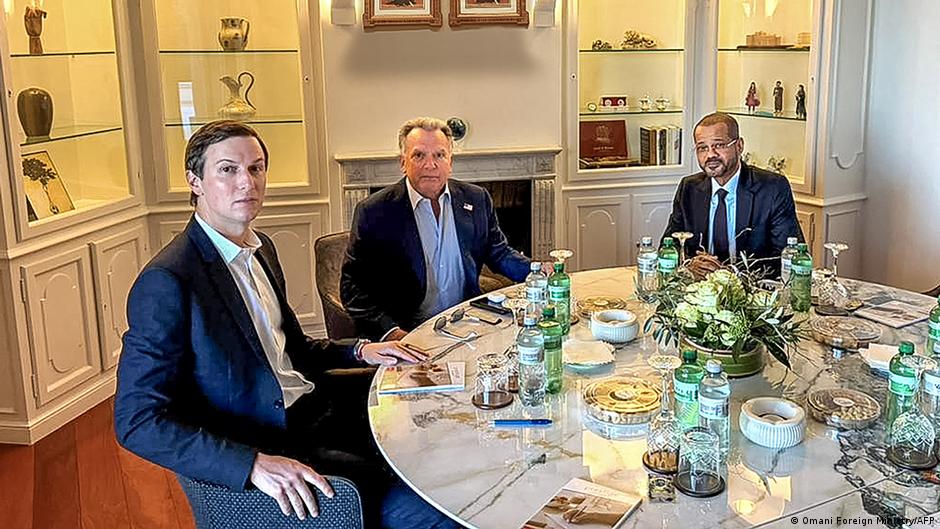
Geneva – Indirect talks between Iran and the United States regarding Iran’s nuclear program have entered a critical phase, with Tehran delivering a proposal aimed at reaching a comprehensive agreement. This development occurs against a backdrop of heightened regional tensions, fueled by a significant U.S. Military presence in the Middle East and increasingly assertive rhetoric from both sides. The current round of negotiations, the third of its kind, is being mediated by Oman, as international concerns mount over the potential for escalation. The core issue remains Iran’s nuclear ambitions and the lifting of sanctions that have crippled its economy, a situation complicated by mutual distrust and diverging strategic interests. The possibility of a renewed agreement, or the failure to achieve one, carries profound implications for regional stability and global security.
The talks are taking place at a particularly sensitive juncture. The United States, under the administration of President Donald Trump, has adopted a policy of maximum pressure on Iran, coupled with a visible military build-up in the region. This strategy aims to compel Iran to renegotiate the terms of the 2015 Joint Comprehensive Plan of Action (JCPOA), commonly known as the Iran nuclear deal, which Trump unilaterally withdrew the U.S. From in 2018. Iran maintains its nuclear program is for peaceful purposes, but concerns persist internationally regarding its potential to develop nuclear weapons. The current negotiations represent a renewed, albeit indirect, attempt to find a diplomatic solution to this complex and dangerous situation. The stakes are high, with the potential for military conflict looming if a diplomatic resolution cannot be reached.
According to Iranian state media, the proposal delivered through Omani intermediaries is designed to address U.S. Concerns while safeguarding Iran’s rights to peaceful nuclear energy. Esmail Baghaei, a spokesperson for the Iranian Foreign Ministry, stated that Iran approaches the negotiations “with seriousness and flexibility,” emphasizing that discussions will focus solely on nuclear issues and the removal of sanctions. This stance underscores Iran’s insistence on economic relief as a prerequisite for any concessions regarding its nuclear program. The Iranian delegation, Baghaei added, will reiterate its commitment to the “leverage of peaceful nuclear energy,” a right enshrined in international law. The success of these talks hinges on whether both sides can bridge the gap between their stated positions and find common ground for a sustainable agreement.
Oman’s Role as Mediator and the Proposal’s Core Tenets
The selection of Oman as a mediator is significant. Oman has historically maintained relatively neutral relations with both Iran and the United States, making it a trusted intermediary in sensitive negotiations. Oman’s Foreign Minister, Badr bin Hamad al Busaidi, has been actively involved in facilitating communication between the two sides, including a recent meeting with Rafael Grossi, Director General of the International Atomic Energy Agency (IAEA).
This meeting suggests a potential role for the IAEA in verifying any future agreement and ensuring compliance with its terms. The IAEA plays a crucial role in monitoring Iran’s nuclear facilities and verifying that its nuclear activities remain within peaceful parameters.
The Iranian proposal, as reported by the state-run IRNA news agency, aims to “eliminate all pretexts” used by the United States to justify its concerns regarding Iran’s nuclear program. While the specifics of the proposal remain confidential, We see understood to address issues related to uranium enrichment levels, inspection access, and the scope of Iran’s nuclear research and development activities. IRNA stated that if the proposal is rejected, it would “confirm the suspicion of the lack of seriousness of the United States in the matter of diplomacy and the symbolic nature of its diplomatic position.” This statement reflects Iran’s growing frustration with what it perceives as a lack of genuine commitment from the U.S. To a negotiated solution.
Iranian Leadership Reaffirms Commitment to Peaceful Nuclear Program
Amidst the negotiations, Iranian President Masud Pezeshkian has reiterated Iran’s commitment to not developing nuclear weapons. “Our supreme leader, Ali Jamenei, has already declared that we will not have nuclear weapons at all,” Pezeshkian stated in a recent address. He further emphasized that even if Iran were to pursue such a path, it would be “not permitted” from a doctrinal standpoint. This statement aims to address international concerns about Iran’s long-term intentions and to reassure the global community that its nuclear program is solely for peaceful purposes. However, skepticism remains in some quarters, particularly given Iran’s past nuclear activities and its regional ambitions.
The current impasse stems from fundamental disagreements over the scope and duration of any potential agreement. Washington insists on stringent limitations on Iran’s uranium enrichment activities and the development of ballistic missiles, arguing that these capabilities pose a direct threat to regional security. Tehran, maintains that it is only willing to reduce its nuclear program in exchange for the complete lifting of sanctions imposed by the United States. This linkage between nuclear concessions and economic relief is a key sticking point in the negotiations. The U.S. Has imposed a wide range of sanctions on Iran, targeting its oil exports, financial sector, and key industries, causing significant economic hardship for the Iranian population.
Adding to the complexity, the United States has significantly increased its military presence in the Middle East, deploying two aircraft carriers, several destroyers, and dozens of fighter jets in close proximity to Iran. This deployment is widely seen as a show of force intended to pressure Iran into accepting U.S. Demands. However, Iran has warned that any attack on its territory would be met with a forceful response, potentially triggering a wider regional conflict. Ali Jamenei has previously stated that an American attack would “provoke a regional war,” raising the specter of a devastating escalation. The combination of diplomatic efforts and military posturing creates a volatile and unpredictable situation.
The JCPOA and the Path Forward
The original JCPOA, reached in 2015 between Iran and six world powers (the United States, United Kingdom, France, Germany, Russia, and China), placed significant restrictions on Iran’s nuclear program in exchange for the lifting of international sanctions. The agreement was hailed as a landmark achievement in nuclear diplomacy, but it faced strong opposition from some quarters, particularly in the United States. President Trump’s decision to withdraw from the JCPOA in 2018 and reimpose sanctions led to a gradual erosion of the agreement, as Iran began to roll back its commitments. The current negotiations aim to revive the JCPOA, but significant obstacles remain, including the U.S. Refusal to rejoin the agreement without further concessions from Iran.
The path forward remains uncertain. A successful outcome will require a willingness from both sides to compromise and to address each other’s legitimate concerns. The United States will need to demonstrate a greater degree of flexibility regarding sanctions relief, while Iran will need to provide credible assurances that its nuclear program remains exclusively for peaceful purposes. The role of Oman as a mediator will be crucial in facilitating communication and building trust between the two sides. The international community also has a stake in the success of these negotiations, as a failure to reach an agreement could have far-reaching consequences for regional and global security. The coming weeks will be critical in determining whether a diplomatic solution can be found or whether the region is headed towards a dangerous escalation.
The next significant development is expected to be a response from the United States to Iran’s proposal, anticipated within the next ten days. Further discussions are likely to follow, potentially involving direct or indirect meetings between U.S. And Iranian officials. Readers interested in staying informed about these developments can follow updates from the U.S. State Department (https://www.state.gov/) and the Iranian Foreign Ministry (https://en.mfa.ir/). We encourage readers to share their thoughts and perspectives on this critical issue in the comments section below.
Worth a look