Gaza and West Bank – A recent pause in the enforcement of an Israeli law targeting the United Nations Relief and Works Agency (UNRWA) has offered a temporary reprieve to aid operations in Gaza and the West Bank, regions grappling with a severe humanitarian crisis. The law, passed in October 2024, effectively bans UNRWA from operating within Israel and prohibits contact between Israeli authorities and the agency. This move, coupled with the seizure of UNRWA offices in East Jerusalem and restrictions on its staff, had threatened to dismantle the primary provider of humanitarian aid to millions of Palestinian refugees.
The initial enforcement of the ban led to a rapid series of actions by Israeli authorities, including shortening visas for UNRWA’s international staff, forcing their relocation to Amman, Jordan, and removing office equipment and vehicles. Efforts were also underway to digitize UNRWA’s archives. However, the implementation has been temporarily halted, offering a crucial lifeline to vulnerable populations dependent on the agency’s services. The situation remains highly volatile, with the potential for renewed enforcement looming.
Israel’s Ban on UNRWA: A Timeline of Escalation
The move against UNRWA stems from allegations made by Israel that 12 UNRWA staff members were involved in the October 7, 2023, Hamas attacks. Prime Minister Benjamin Netanyahu has called for the agency’s replacement, stating, “The time has reach to commence the process of replacing UNRWA with other bodies that are not tainted by support for terrorism.” These allegations prompted several countries, including the United States, the United Kingdom, Canada, Australia, and Germany, to suspend funding to UNRWA pending investigations. However, a growing number of nations have since resumed funding, citing the critical need for humanitarian assistance and the lack of conclusive evidence against the agency as a whole.
The passage of the law banning UNRWA was met with broad support within the Knesset, reflecting a long-standing frustration with the agency’s mandate and perceived bias. The law prohibits UNRWA from operating in Israel and bars Israeli authorities from any contact with the agency. Netanyahu ordered the immediate enforcement of the law on Tuesday, February 25, 2026, but this order has since been paused pending further legal review.
International Condemnation and Potential ICJ Referral
The international community has largely condemned Israel’s actions, warning of a significant deterioration in the humanitarian situation in Gaza and the West Bank. UN Secretary-General Antonio Guterres has repeatedly voiced his concerns, describing the move as “devastating” and emphasizing its potential to exacerbate suffering among Palestinian refugees. Guterres has warned Netanyahu that he could refer Israel to the International Court of Justice (ICJ) if the laws targeting UNRWA are not repealed and seized assets are not returned.
In a January 8, 2026, letter to Netanyahu, Guterres stated that the UN cannot remain indifferent to “actions taken by Israel, which are in direct contravention of the obligations of Israel under international law. They must be reversed without delay.” Israel passed laws banning UNRWA from operating in the country, seized UNRWA’s East Jerusalem offices, and amended the law to ban electricity or water to UNRWA facilities. The UN has accused Israel of violating international law by targeting UNRWA, which provides aid, health, and education to millions of Palestinians, and has called for the reversal of these actions.
Amnesty International has also condemned the ban, stating that it criminalizes humanitarian aid and could worsen an already dire humanitarian situation. UNRWA Commissioner-General Philippe Lazzarini described the situation as unprecedented, highlighting the challenges faced by the agency in continuing its operations. UNRWA spokesperson Jonathan Fowler stated that the agency is being “evicted, declared persona non grata, and forced to relocate despite international law recognizing East Jerusalem as occupied territory.”
The Humanitarian Impact in Gaza and the West Bank
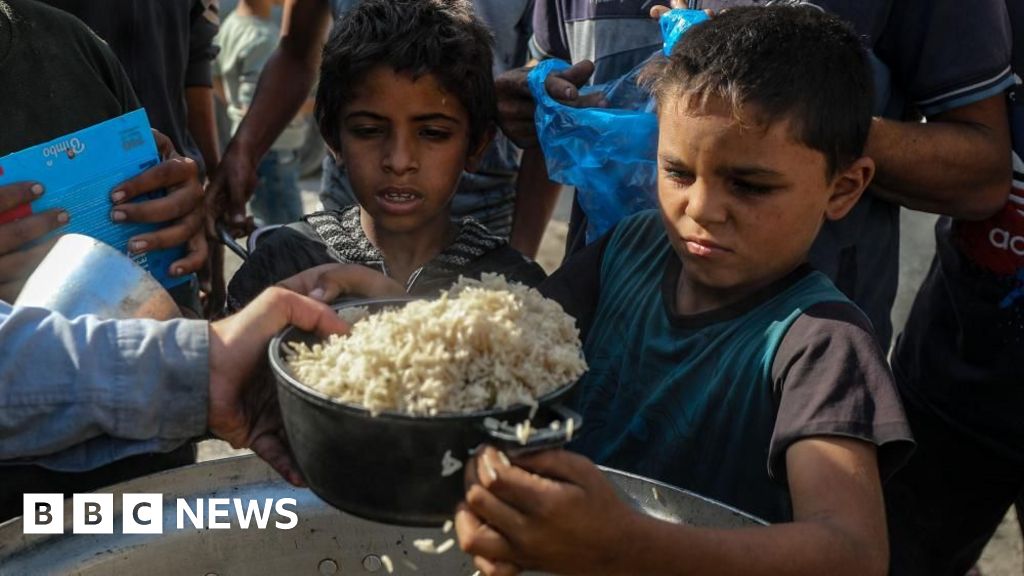
UNRWA plays a critical role in providing essential services to Palestinian refugees in Gaza and the West Bank, including education, healthcare, and social welfare programs. The agency supports over 2.3 million registered refugees in these territories. The disruption of UNRWA’s operations has raised serious concerns about the availability of these vital services, particularly in Gaza, which is already facing a severe humanitarian crisis due to ongoing conflict and restrictions on movement and access. The agency’s work is particularly crucial in providing food assistance, medical supplies, and shelter to displaced populations.
The suspension of funding by several countries further compounded the challenges faced by UNRWA, limiting its ability to respond to the growing needs of the refugee population. While some countries have resumed funding, the agency continues to face a significant funding shortfall. The potential for a complete cessation of UNRWA’s operations would leave a massive gap in humanitarian assistance, potentially leading to a further deterioration of the situation in Gaza and the West Bank.
Legal Challenges and the Future of UNRWA
The legality of Israel’s actions has been questioned by international legal experts, who argue that the ban on UNRWA violates international law and undermines the agency’s mandate. The UN Charter recognizes the right of Palestinian refugees to assistance and protection, and UNRWA has been established by the General Assembly to provide this assistance. The seizure of UNRWA’s assets and the restrictions on its staff are also seen as violations of international law.
The current pause in the enforcement of the ban provides a window of opportunity for dialogue and negotiation between Israel and the international community. However, the underlying issues remain unresolved, and the future of UNRWA remains uncertain. Israel continues to insist on the need for reforms within the agency and has called for a long-term solution that would replace UNRWA with other organizations. The international community, however, largely views UNRWA as an essential component of the humanitarian response in Gaza and the West Bank and is committed to ensuring its continued operation.
Key Takeaways
- Israel’s ban on UNRWA, prompted by allegations of staff involvement in the October 7 attacks, has been temporarily paused.
- The international community has largely condemned the ban, with the UN Secretary-General warning of potential referral to the International Court of Justice.
- UNRWA provides critical humanitarian assistance to millions of Palestinian refugees in Gaza and the West Bank, and its disruption poses a significant threat to their well-being.
- The future of UNRWA remains uncertain, with Israel calling for its replacement and the international community advocating for its continued operation.
The next key development to watch is the outcome of the legal review currently underway in Israel, which will determine whether the ban on UNRWA will be permanently enforced. Further updates will be provided as they turn into available. We encourage readers to share their thoughts and perspectives on this critical issue in the comments below.
Keep reading