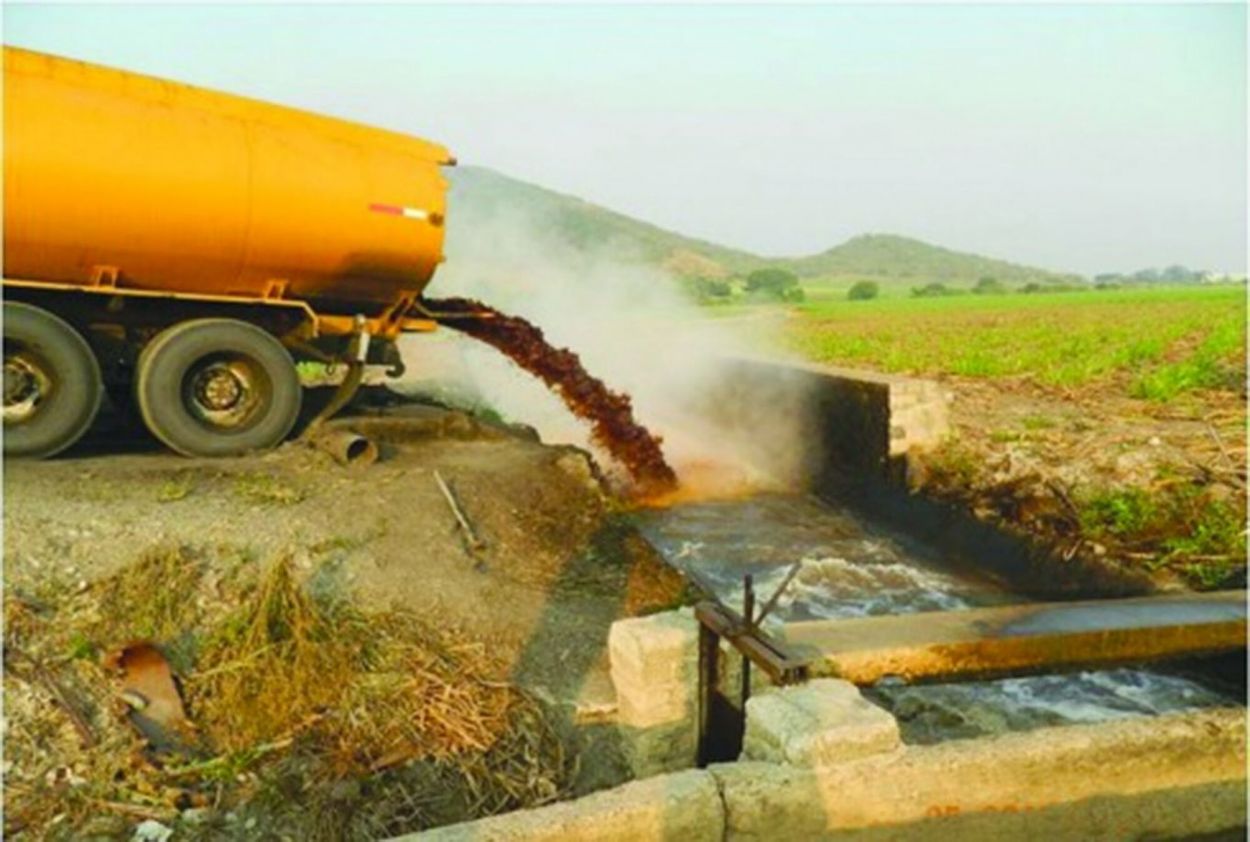
The agricultural sector is constantly evolving, driven by the need for increased efficiency, sustainability and resilience in food production. A growing area of research focuses on byproducts of agricultural processes, seeking to unlock their potential as valuable resources rather than waste materials. One such byproduct, vinasse – a liquid co-product of ethanol production, particularly from sugarcane and sugar beets – is currently under intense scrutiny. Scientists are investigating both its potential benefits as a fertilizer and the environmental risks associated with its improper apply. Understanding these complexities is crucial for optimizing agricultural practices and mitigating potential negative impacts.
Vinasse is rich in organic matter and essential plant nutrients, including potassium, nitrogen, and phosphorus. This composition makes it an attractive alternative to conventional chemical fertilizers, particularly in regions where ethanol production is significant. However, its high organic load and potential for contamination with phytotoxic compounds necessitate careful management. The key lies in understanding the processes governing nutrient release and the potential for environmental pollution, avoiding simplistic interpretations of its benefits.
What is Vinasse and Why the Growing Interest?
Vinasse is generated during the fermentation process of sugars to produce ethanol. The volume of vinasse produced is substantial; for every liter of ethanol, approximately 10-15 liters of vinasse are generated. The Food and Agriculture Organization of the United Nations (FAO) highlights the increasing importance of efficient nutrient management in agriculture, and vinasse represents a potential resource within this framework. Traditionally, vinasse was often discharged into waterways or used in irrigation without adequate treatment, leading to environmental concerns. However, recent research is exploring methods to transform vinasse into a valuable agricultural input.
The appeal of vinasse as a fertilizer stems from several factors. First, it offers a cost-effective alternative to commercially produced fertilizers, which can be expensive for farmers, particularly in developing countries. Second, it contributes to a circular economy by repurposing a waste product. Third, the organic matter in vinasse can improve soil health, enhancing water retention and promoting beneficial microbial activity. However, these benefits are contingent upon responsible application and a thorough understanding of its chemical and biological properties.
Nutrient Composition and Potential Benefits for Crop Fertilization
Vinasse’s nutrient profile varies depending on the feedstock used for ethanol production and the specific fermentation process. Generally, it contains significant amounts of potassium (K), a macronutrient vital for plant growth, fruit quality, and stress resistance. It similarly provides nitrogen (N) and phosphorus (P), the other two primary macronutrients essential for plant development. Agroquivir, a Spanish agricultural company, emphasizes the importance of understanding the NPK content of any fertilizer, including organic sources like vinasse, to ensure optimal plant nutrition.
Beyond these macronutrients, vinasse also contains micronutrients like calcium, magnesium, and sulfur, which are crucial for various plant physiological processes. The organic matter in vinasse acts as a soil conditioner, improving soil structure, aeration, and water-holding capacity. This is particularly beneficial in sandy or degraded soils. The organic compounds can stimulate the growth of beneficial soil microorganisms, enhancing nutrient cycling and disease suppression. However, the high concentration of organic matter also presents challenges, as it can lead to oxygen depletion in the soil if not properly managed.
Environmental Risks and Mitigation Strategies
Despite its potential benefits, the indiscriminate use of vinasse poses significant environmental risks. The high biochemical oxygen demand (BOD) and chemical oxygen demand (COD) of vinasse can deplete oxygen levels in water bodies, harming aquatic life. The presence of phytotoxic compounds, such as organic acids and phenolic compounds, can inhibit plant growth and contaminate groundwater. The high salt content of vinasse can lead to soil salinization, reducing soil fertility and crop yields.
Several mitigation strategies can minimize these risks. Dilution of vinasse with water before application reduces its concentration of pollutants. Composting vinasse with other organic materials stabilizes the organic matter and reduces its phytotoxicity. Applying vinasse in a controlled manner, based on soil type, crop requirements, and weather conditions, prevents over-application and runoff. The FAO manual on good agricultural practices highlights the importance of site-specific nutrient management, tailoring fertilizer application to the unique characteristics of each field.
The Role of Microorganisms in Vinasse Management
Recent research emphasizes the potential of using microorganisms to enhance the beneficial effects of vinasse and mitigate its risks. The FAO’s updated manual on fertilization incorporates a new chapter dedicated to the use of biological products in nutrient management. Microorganisms can accelerate the decomposition of organic matter in vinasse, releasing nutrients in a plant-available form. They can also detoxify phytotoxic compounds and improve soil structure. Inoculating vinasse with beneficial microorganisms before application can enhance its fertilizer value and reduce its environmental impact. This approach aligns with the principles of agroecological systems, which prioritize ecological interactions and sustainable practices.
Current Research and Future Directions
Ongoing research is focused on optimizing vinasse management practices for different crops and environmental conditions. Studies are investigating the effects of vinasse application on soil microbial communities, nutrient cycling, and crop yields. Researchers are also exploring innovative technologies for treating vinasse, such as anaerobic digestion and membrane filtration, to remove pollutants and concentrate nutrients. The development of precision application techniques, using sensors and GPS technology, allows for targeted delivery of vinasse, minimizing waste and maximizing efficiency.
research is exploring the potential of integrating vinasse with other organic fertilizers, such as compost and manure, to create synergistic effects. Combining vinasse with these materials can provide a more balanced nutrient supply and improve soil health. The long-term sustainability of vinasse use depends on a holistic approach that considers both its agronomic benefits and its environmental impacts.
Vinasse in Agroecological Systems
The FAO emphasizes that in large-scale agroecological systems, maximizing the benefits of ecosystem services is key. This means designing site-specific management strategies for each crop, ensuring that each cultivation contributes to the success of subsequent crops. Vinasse, when managed correctly, can play a role in these systems by improving soil fertility and reducing reliance on synthetic fertilizers. However, its use must be carefully integrated into the overall farm management plan, considering factors such as crop rotation, cover cropping, and integrated pest management.
The future of vinasse utilization lies in embracing a more sustainable and integrated approach to agricultural management. By combining scientific research, technological innovation, and responsible farming practices, we can unlock the full potential of this agricultural byproduct and contribute to a more resilient and environmentally friendly food system.
Further research and development are needed to fully understand the long-term effects of vinasse application on soil health and ecosystem function. Continued monitoring of water quality and soil conditions is essential to ensure that vinasse is used responsibly and sustainably. The next step involves widespread implementation of best management practices and the development of policies that incentivize the beneficial use of agricultural byproducts.
What are your thoughts on the potential of vinasse as a sustainable fertilizer? Share your comments below and let’s continue the conversation.
Keep reading
- 5 Bodyweight Moves That Fix Poor Posture Faster Than Chiropractors After 50
- Why Using a Chatbot to Vent Your Feelings Is a Bad Idea
- Katherine Faulders Analyzes GOP Deal and Todd Blanche’s Confirmation Process (archyde.com)
- Understanding Threat Actors: Anatomy of Cyberattacks & Infrastructure Defense (archynewsy.com)