Israel Closes Airspace Following Strike on Iran, Declares State of Emergency
Tel Aviv – Authorities in Israel have closed its airspace to civilian flights following what has been described as a “preliminary strike” against Iran. The move comes as Tel Aviv also declared a state of emergency nationwide. The escalating situation raises concerns about regional stability and potential further escalation.
“Following the security developments, the Minister of Transport has instructed the Director of the Civil Aviation Authority to close the airspace of the State of Israel to civilian flights,” Israeli Transport Minister Miri Regev announced on Saturday, February 28, 2026, as reported by the Agence France-Presse (AFP). This decision effectively halts commercial air traffic over Israeli territory, impacting international travel routes and potentially causing significant disruptions.
Prior to the airspace closure, Israel’s Defense Ministry announced that its military forces had launched a “preliminary strike” against targets within Iran. Whereas details regarding the specific targets and the extent of the operation remain limited, the announcement signals a significant escalation in the long-standing tensions between the two nations. This action follows a period of heightened rhetoric and increasing concerns over Iran’s nuclear program and regional influence.
Alongside the airspace closure, Israeli authorities have declared a state of emergency across the country. Sirens reportedly sounded in areas surrounding Jerusalem, and residents throughout Israel have been alerted to a “extremely serious threat.” The declaration of a state of emergency grants authorities expanded powers to maintain order and respond to potential security challenges. This includes the mobilization of emergency services and the potential for restrictions on public gatherings.
Details of the Strike and Initial Reports
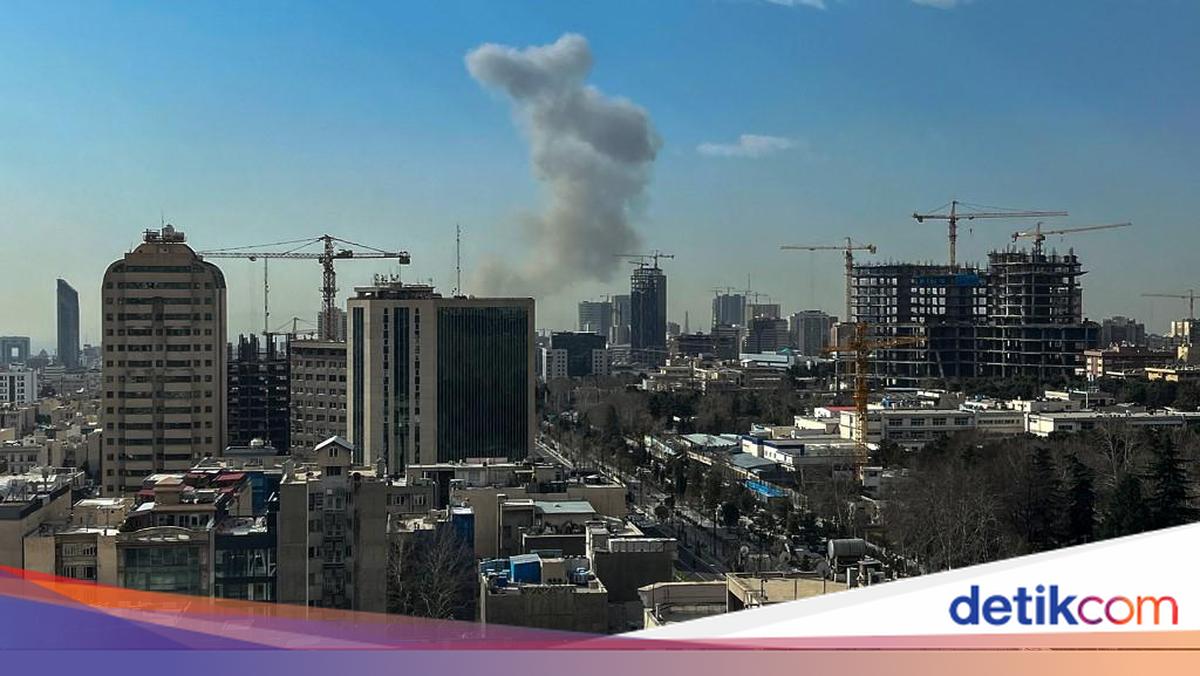
According to the Israeli Defense Ministry, the military operation was a “preliminary strike” against Iran. Defense Minister Yoav Gallant reportedly established a special nationwide state of emergency, according to official statements. Initial reports indicate that two loud explosions were heard in the area of Tehran, the Iranian capital, on Saturday morning. Smoke plumes were observed rising in the central and eastern parts of the city, suggesting potential damage or impact from the strikes.
Iran’s Fars news agency reported that the explosions were caused by missile attacks. “The type of explosion indicates that this was a missile attack,” the agency stated, without providing further details. As of this reporting, there has been no official statement from Iranian authorities regarding the reported strikes. The lack of immediate confirmation from Iran adds to the uncertainty surrounding the situation and complicates efforts to assess the full extent of the damage and potential repercussions.
Miri Regev and Israel’s Security Posture
Transport Minister Miri Regev, a prominent figure in Israeli politics with a long career in both the military and government, played a key role in the decision to close Israeli airspace. According to a profile on Wikipedia, Regev served as a Brigadier General in the Israel Defense Forces and previously held the position of Minister of Culture and Sport. Her background demonstrates a commitment to national security and a willingness to take decisive action in response to perceived threats. Regev’s involvement underscores the gravity of the situation and the government’s determination to protect its citizens.
Regev has consistently championed a strong stance on security matters and has been a vocal advocate for Israel’s interests on the international stage. A report from Davar highlights Regev’s focus on strengthening the periphery of Israel and her unwavering commitment to the Jewish state. Her political ideology and leadership style reflect a firm resolve to defend Israel’s sovereignty and security.
Impact on Air Travel and Regional Concerns
The closure of Israeli airspace is expected to have a significant impact on air travel in the region. Airlines are being forced to reroute flights, leading to delays and cancellations. The disruption affects not only flights to and from Israel but also those transiting through its airspace, impacting routes between Europe and Asia. Passengers are advised to check with their airlines for the latest updates on flight schedules and potential disruptions.
The Hostages Forum has also weighed in, requesting that Transport Minister Regev increase train service to Tel Aviv in anticipation of a large protest scheduled for Tuesday night, calling for a ceasefire and hostage deal. This highlights the domestic pressure on the Israeli government to address the ongoing conflict and secure the release of hostages.
The situation also raises broader regional concerns. The strike on Iran has the potential to escalate tensions further, potentially drawing in other regional actors. The United States and other international powers have urged restraint and called for de-escalation, emphasizing the importance of diplomatic solutions to resolve the underlying issues. The international community is closely monitoring the situation and working to prevent a wider conflict.
Looking Ahead
The immediate future remains uncertain as the region awaits a response from Iran. The extent of the damage caused by the Israeli strike and the potential for retaliatory actions will be key factors in determining the trajectory of the conflict. Diplomatic efforts to de-escalate the situation are likely to intensify in the coming days. The international community will be closely watching for any signs of further escalation and working to prevent a wider regional war.
The situation is fluid and evolving rapidly. Further updates will be provided as they become available. Readers are encouraged to stay informed through reliable news sources and to follow official guidance from their governments and airlines.
Key Takeaways:
- Israel has closed its airspace to civilian flights following a strike on Iran.
- A state of emergency has been declared nationwide in Israel.
- Initial reports indicate explosions in Tehran, with Iranian media suggesting a missile attack.
- The situation raises concerns about regional stability and potential escalation.
- International powers are urging restraint and calling for de-escalation.
This represents a developing story. We will continue to provide updates as more information becomes available. Share your thoughts and perspectives in the comments below.
Related reading