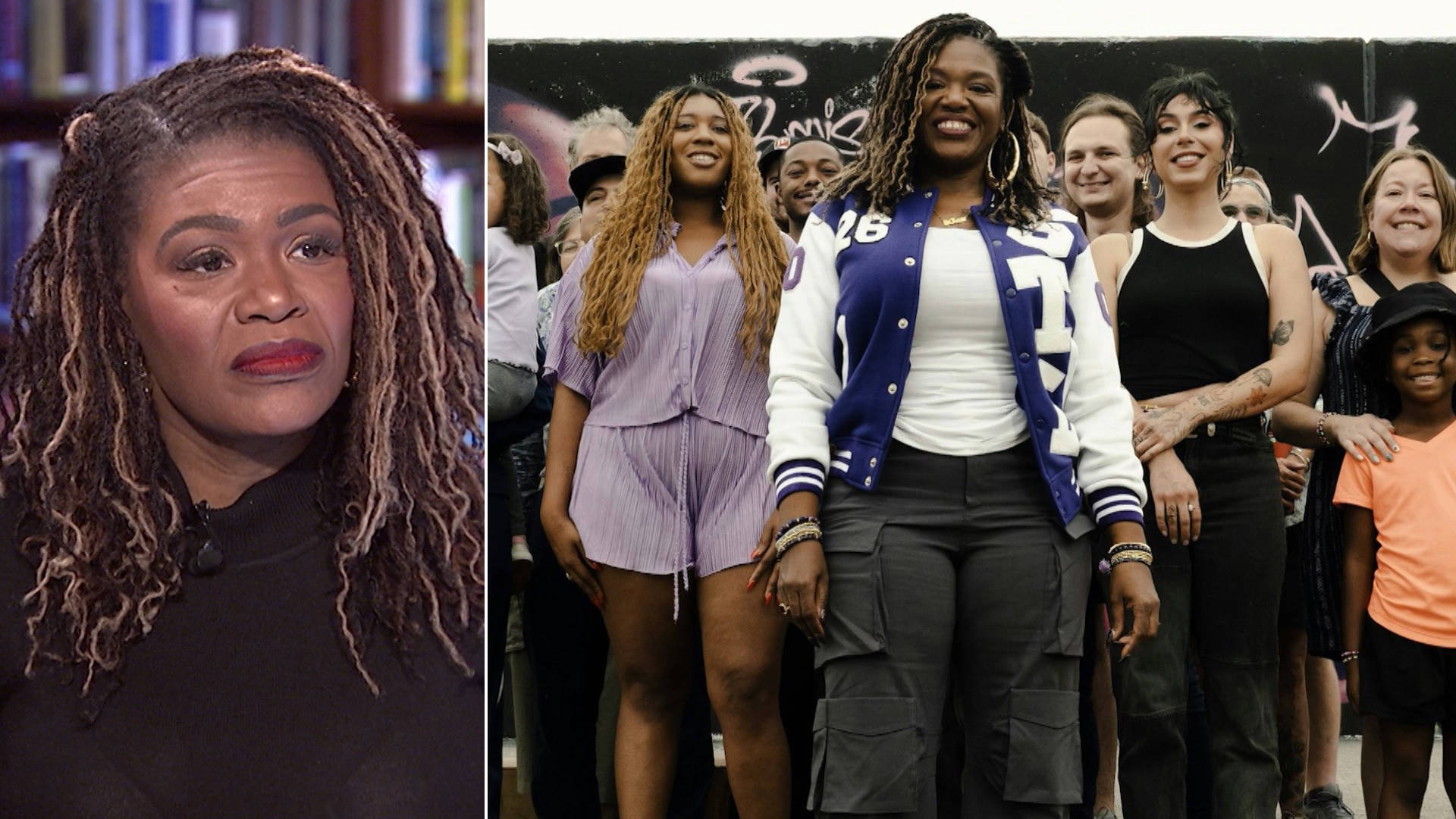
Cori Bush Launches Bid to Reclaim Missouri Congressional Seat
Former U.S. Representative Cori Bush has announced her candidacy for Missouri’s 1st congressional district, setting the stage for a potentially contentious rematch after she was unseated in 2024. Bush, a progressive Democrat who first entered Congress in 2021, is running to regain the seat she lost to Wesley Bell in the Democratic primary. Her decision to re-enter the race comes after a campaign heavily influenced by outside spending, particularly from pro-Israel groups, and raises questions about the role of money in American elections and the ongoing debate surrounding U.S. Foreign policy.
Bush’s initial election in 2020 marked a significant shift in the political landscape of Missouri, as she became the first Black woman to represent the state in Congress. A community activist and a key figure in the 2014 Ferguson protests following the police killing of Michael Brown, Bush brought a unique perspective to Washington, advocating for policies focused on racial justice, economic equality, and criminal justice reform. Her outspoken criticism of Israel and her call for a ceasefire in Gaza, however, drew significant opposition and ultimately became a focal point of attack during her 2024 campaign.
The American Israel Public Affairs Committee (AIPAC) and its affiliated super PAC played a substantial role in Bush’s defeat, spending over $8 million in an effort to unseat her, according to reports. Bush herself alleges that a total of $15 million was spent against her, characterizing the campaign as a deliberate attempt to silence her voice on issues related to Palestine and human rights. This level of spending underscores the increasing influence of outside groups in congressional races and the growing polarization of American politics.
As Bush prepares for her campaign, she faces a challenging political environment. The Democratic National Committee (DNC) reportedly conducted an autopsy of the 2024 election, which, according to Axios, concluded that Kamala Harris experienced a decline in support due to the administration’s policies regarding Gaza. Axios reported that this finding suggests a growing disconnect between the Democratic Party’s stance on the Israeli-Palestinian conflict and the views of some segments of its base. This dynamic could significantly impact Bush’s campaign, as she is likely to continue to advocate for a more critical approach to Israeli policy.
The 2024 Primary and the Role of AIPAC
Bush’s loss in the 2024 Democratic primary to Wesley Bell was a surprise to many, given her established base of support and her national profile. Bell, a former Ferguson city councilman, ran a campaign focused on public safety and economic development. However, the sheer volume of negative advertising targeting Bush, funded largely by pro-Israel groups, is widely believed to have been a decisive factor in the outcome. These ads often misrepresented Bush’s positions and accused her of being anti-Israel and out of step with mainstream Democratic values.
AIPAC’s involvement in the race sparked controversy and raised questions about the organization’s influence in American elections. Critics argue that AIPAC’s spending distorts the democratic process and silences voices critical of Israeli policy. AIPAC, however, maintains that it is simply exercising its First Amendment rights to support candidates who are committed to a strong U.S.-Israel relationship. The organization has significantly increased its spending in recent election cycles, targeting both Republican and Democratic candidates who are perceived as being critical of Israel.
Bush has been vocal about her belief that the election was, in effect, “stolen” through a campaign of misinformation and deceit. She argues that voters were swayed by false narratives and that the $15 million spent against her created an uneven playing field. “The people of St. Louis did not make the decision based upon truth,” Bush stated in an interview. “They made the decision to elect someone else based on lies, deceit.”
Bush’s Platform and Key Issues
As she launches her 2026 campaign, Bush is expected to focus on the same core issues that defined her first term in Congress. These include advocating for the Equal Rights Amendment, addressing homelessness, raising the minimum wage, and implementing a Medicare for All system. She is too a strong proponent of reparations for African Americans and has been a vocal advocate for police reform. Her campaign website details her policy positions and outlines her vision for the district.
Bush’s commitment to these progressive policies has earned her a dedicated following among activists and grassroots organizers. However, it has also made her a target for conservative groups and moderate Democrats who view her as too radical. Her willingness to challenge the status quo and to speak out on controversial issues has set her apart from many of her colleagues in Congress.
A key component of Bush’s platform is her unwavering support for Palestinian rights. She has been a vocal critic of the Israeli government’s policies in the occupied territories and has called for an end to U.S. Military aid to Israel. This position has drawn sharp criticism from some quarters, but it resonates with a growing number of voters who are concerned about the humanitarian situation in Gaza and the broader Israeli-Palestinian conflict.
The Broader Political Context
Bush’s decision to run again comes at a time of significant political upheaval in the United States. The 2024 election exposed deep divisions within the Democratic Party, particularly on issues related to foreign policy and social justice. The ongoing conflict in Gaza has further exacerbated these divisions, with many progressive Democrats calling for a more balanced approach to the Israeli-Palestinian conflict.
The rise of “Project 2025,” a conservative plan to overhaul the federal government, also looms large over the upcoming election cycle. Bush has been a vocal opponent of Project 2025, warning that it would undermine democratic institutions and roll back decades of progress on civil rights and social justice. She argues that her candidacy is essential to counter the forces of extremism and to protect the rights of marginalized communities.
The political landscape in Missouri is also evolving. While the state has become increasingly Republican in recent years, there remains a significant Democratic base in St. Louis and the surrounding areas. Bush’s ability to mobilize this base will be crucial to her success. The outcome of the race could have significant implications for the balance of power in Congress and for the future of the Democratic Party.
Looking Ahead: Key Dates and Challenges
The primary election for Missouri’s 1st congressional district is scheduled for August 2026. Bush will face a competitive field of candidates, including Wesley Bell, who is expected to seek re-election. The campaign is likely to be expensive and highly contested, with significant outside spending from both sides.
Bush’s biggest challenge will be to overcome the negative perceptions that were created during the 2024 campaign. She will need to effectively counter the misinformation that was spread about her and to articulate a clear and compelling vision for the district. She will also need to mobilize her base of support and to reach out to voters who may have been undecided in the previous election.
The DNC’s ongoing assessment of the 2024 election results, and any subsequent policy adjustments, could also impact the race. If the party decides to shift its approach to the Israeli-Palestinian conflict, it could create an opening for Bush to appeal to a broader range of voters. The next few months will be critical as Bush lays the groundwork for her campaign and prepares to challenge Bell for the seat.
The coming months will be crucial as Bush builds her campaign infrastructure and prepares to challenge Bell. The election is expected to be closely watched as a bellwether for the future of the Democratic Party and the ongoing debate over U.S. Foreign policy. Stay informed about the latest developments in the race by following credible news sources and engaging in informed political discourse.
Related reading