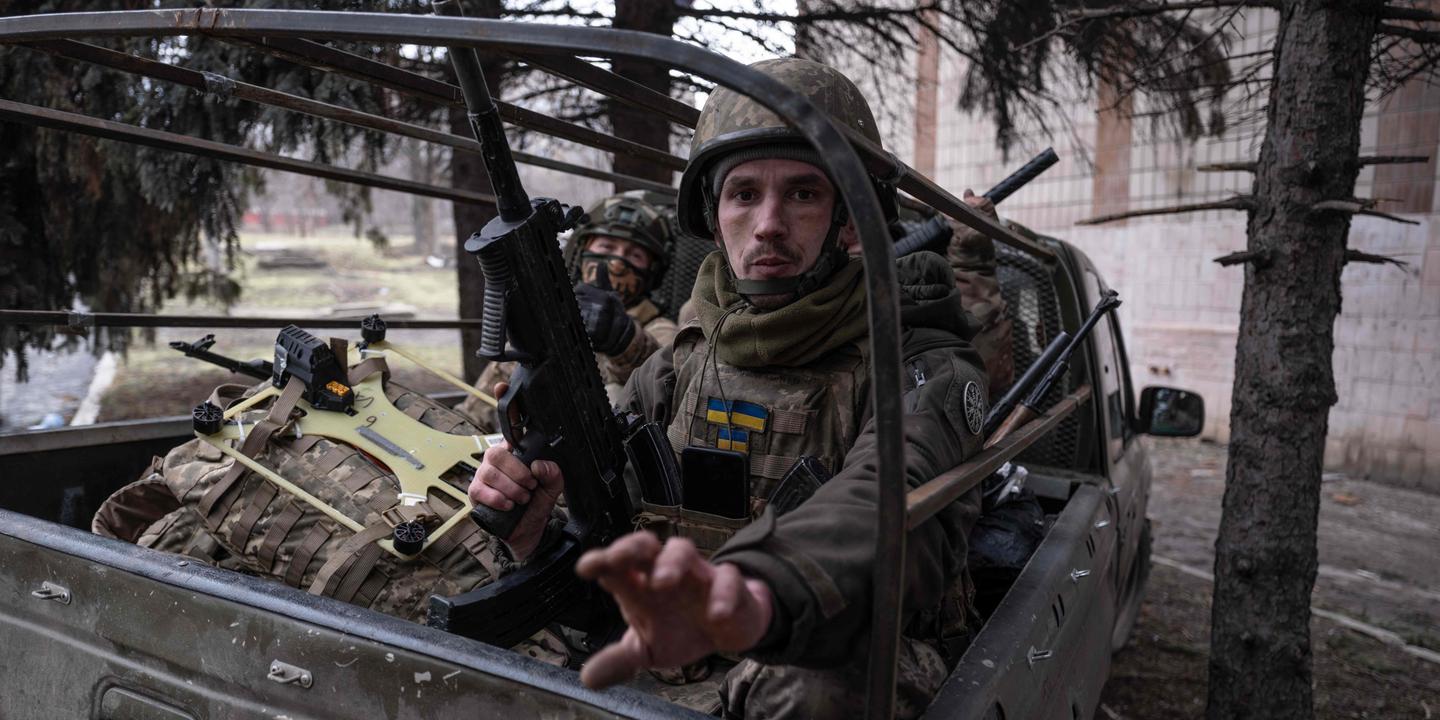
The ongoing conflict in Ukraine is drawing fighters from across the globe, including a concerning number of recruits from African nations. Reports indicate that economic vulnerabilities and targeted recruitment campaigns are driving citizens from countries like Egypt, Cameroon, Ghana, Kenya, and South Africa to join the fighting, often under deceptive pretenses. This raises serious questions about the ethics of foreign recruitment and the protection of vulnerable populations caught in the crosshairs of geopolitical conflict.
The scale of African involvement in the Russo-Ukrainian War is becoming increasingly apparent. While precise figures remain difficult to ascertain, mounting evidence suggests a significant outflow of recruits, with potentially devastating consequences for those involved and their families. The situation highlights the complex interplay between economic hardship, political instability, and the demand for foreign fighters in modern warfare. The recruitment practices, often exploiting desperation, are drawing condemnation from international observers and prompting investigations into the networks facilitating this flow of personnel.
Growing Evidence of African Fighters in Ukraine
Recent reports point to Egypt, Cameroon, and Ghana as the primary sources of African recruits. According to a report by the collective All Eyes on Wagner, Egypt has contributed approximately 361 men, while Cameroon accounts for 335 – the nation reportedly suffering the highest casualty toll among African participants. Ghana has sent an estimated 234 citizens to fight in Ukraine. These individuals are allegedly recruited through transnational networks that capitalize on persistent socio-economic vulnerabilities within these countries.
Ghana’s Minister of Foreign Affairs announced late last week that approximately 272 Ghanaians have been “lured” into the conflict, with around 55 believed to have been killed. This figure underscores the deadly risks faced by those who answer the call to arms, often unaware of the true nature of the fighting or the potential consequences. The Ghanaian government is now grappling with the challenge of repatriating its citizens and providing support to their families.
Kenya is also experiencing a significant outflow of recruits. Kimani Ichung’wah, a Kenyan Member of Parliament, recently claimed that over 1,000 Kenyans have been recruited to fight in Ukraine, a figure substantially higher than the 200 previously reported by authorities in December. This discrepancy, as noted by the Agence France-Presse (AFP), suggests that the initial estimates were likely underestimated. The Kenyan government is now investigating the recruitment networks and attempting to account for all citizens involved.
Deceptive Recruitment Practices and Repatriation Efforts
The methods used to recruit African fighters are often characterized by deception and exploitation. Many recruits report being misled about the nature of the conflict, the conditions of service, and the potential dangers involved. Some claim to have been promised high salaries and opportunities for training, only to discover themselves thrust into the front lines with inadequate equipment and support. Fifteen South Africans who alleged they were duped and enrolled in Russian units fighting in Ukraine were able to return home as of February 18th, highlighting the prevalence of these deceptive practices.
The situation is also raising concerns in Uganda, a country with close ties to Russia. Reports are emerging of Ugandans being recruited to fight in Ukraine, and testimonies are beginning to surface. Similarly, Gambia and Nigeria have expressed concerns about their citizens traveling abroad to participate in armed conflicts. These developments suggest that the recruitment networks are expanding their reach across the African continent, exploiting vulnerabilities in a growing number of countries.
The Role of the Wagner Group and International Response
While the specific role of the Wagner Group in recruiting African fighters remains a subject of investigation, the organization has been linked to mercenary activities in several African countries. The All Eyes on Wagner report suggests a connection between the group and the recruitment of foreign fighters for the conflict in Ukraine. The Wagner Group, a Russian paramilitary organization, has a history of operating in conflict zones around the world, often providing support to Russian-backed forces.
The international community is increasingly focused on addressing the issue of foreign fighters in Ukraine. Several countries have condemned the recruitment practices and called for greater transparency and accountability. Efforts are underway to disrupt the recruitment networks and provide support to those who have been exploited. Although, the challenge remains significant, as the demand for foreign fighters continues to drive the recruitment process. The involvement of private military companies like Wagner further complicates the situation, as their operations are often shrouded in secrecy.
Egypt, Cameroon, and Ghana: The Hardest Hit
The disproportionate number of recruits from Egypt, Cameroon, and Ghana underscores the specific vulnerabilities within these nations. Economic hardship, political instability, and limited opportunities contribute to a climate of desperation that makes individuals more susceptible to recruitment offers. In Cameroon, the ongoing Anglophone Crisis has exacerbated these vulnerabilities, creating a pool of potential recruits seeking economic opportunities or a sense of purpose. Ghana, while relatively stable, faces significant economic challenges that drive citizens to seek opportunities abroad, even if those opportunities involve considerable risk.
Egypt’s economic situation, marked by high unemployment and inflation, also contributes to the outflow of recruits. The promise of financial gain, even in a dangerous conflict, can be a powerful incentive for those struggling to make ends meet. The lack of robust oversight and regulation in these countries further facilitates the recruitment process, allowing networks to operate with relative impunity.
Looking Ahead: Addressing the Root Causes
Addressing the issue of African fighters in Ukraine requires a multifaceted approach that tackles both the immediate crisis and the underlying root causes. This includes strengthening border controls, disrupting recruitment networks, and providing support to those who have been exploited. However, long-term solutions require addressing the economic and political vulnerabilities that make individuals susceptible to recruitment in the first place. Investing in economic development, promoting good governance, and strengthening social safety nets are crucial steps in preventing future outflows of recruits.
International cooperation is also essential. Sharing intelligence, coordinating law enforcement efforts, and providing financial assistance to affected countries can help to disrupt the recruitment networks and protect vulnerable populations. The international community must also hold accountable those who are responsible for exploiting individuals for their own gain. The situation demands a concerted effort to address the complex challenges posed by the flow of foreign fighters and to ensure the protection of human rights.
The next key development to watch will be the release of a comprehensive report by the United Nations on the recruitment of foreign fighters in Ukraine, expected in early March. This report is anticipated to provide a more detailed assessment of the situation and offer recommendations for addressing the crisis. Readers are encouraged to share their thoughts and experiences in the comments section below and to share this article with their networks to raise awareness of this critical issue.
Related reading