Public Health Concern Rises as Measles Cases Reported in Massachusetts
Boston, MA – Public health officials in Massachusetts are monitoring a recent increase in measles cases, prompting concern among healthcare providers and community leaders. While the exact number remains relatively modest, the emergence of these cases underscores the ongoing vulnerability to preventable infectious diseases, particularly within communities experiencing lower vaccination rates. The Massachusetts Department of Public Health (DPH) is actively investigating the cases to determine the source of infection and prevent further spread. This situation highlights the critical importance of vaccination as a public health measure and the need for continued vigilance in protecting vulnerable populations.
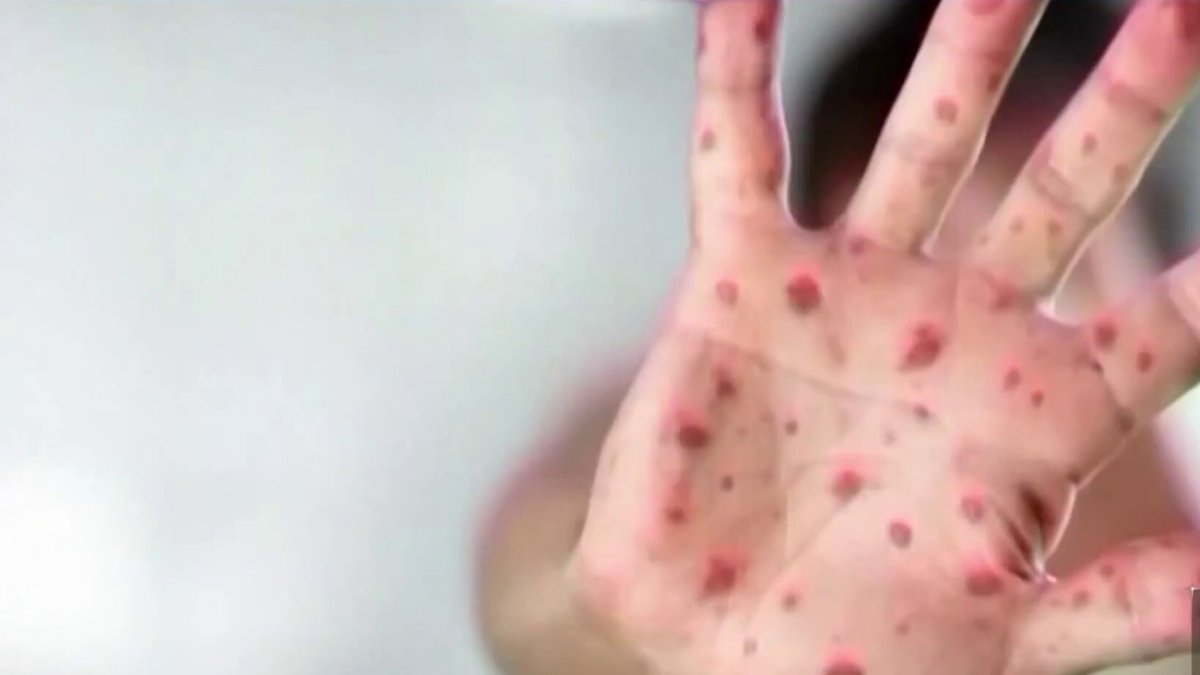
Measles, a highly contagious viral illness, can lead to serious complications, including pneumonia, encephalitis (brain swelling), and even death. Symptoms typically commence with a high fever, cough, runny nose, and red, watery eyes, followed by a rash that spreads from the head to the body. The virus is airborne and can remain infectious for up to two hours in the air after an infected person leaves a room. Individuals who are unvaccinated or have not had measles are at the highest risk of contracting the disease. The Centers for Disease Control and Prevention (CDC) reports that measles was declared eliminated in the United States in 2000, but outbreaks still occur, often linked to international travel and communities with low vaccination coverage.
Recent Cases and Public Health Response
According to reports, two confirmed cases of measles have been identified in Massachusetts. While specific details regarding the patients’ locations and vaccination status have not been widely released to protect patient privacy, the DPH has initiated contact tracing to identify individuals who may have been exposed. Contact tracing involves identifying and notifying people who may have arrive into contact with infected individuals, and providing guidance on monitoring for symptoms and taking appropriate precautions. The DPH is collaborating with local health departments and healthcare providers to ensure a coordinated response.
The Massachusetts Department of Public Health emphasizes that the measles, mumps, and rubella (MMR) vaccine is highly effective in preventing measles. The CDC recommends that children receive two doses of the MMR vaccine, with the first dose administered between 12 and 15 months of age, and the second dose between 4 and 6 years of age. Adults who have not been vaccinated or who are unsure of their vaccination status should consult with their healthcare provider. The MMR vaccine is readily available at most doctor’s offices and pharmacies throughout Massachusetts.
Understanding Measles and its Transmission
Measles is caused by a virus that spreads through the air when an infected person coughs or sneezes. It is so contagious that if one person has measles, 90% of the people around them who are not immune will become infected. The incubation period – the time between exposure and the onset of symptoms – is typically 10 to 14 days. Individuals with measles are contagious from about four days before the rash appears until four days after.
The severity of measles can vary. While most people experience a mild illness, complications can occur, particularly in young children, pregnant women, and individuals with weakened immune systems. Pneumonia is a common complication, accounting for a significant proportion of measles-related deaths. Encephalitis, a rare but serious complication, can lead to permanent brain damage. Subacute sclerosing panencephalitis (SSPE) is an extremely rare, but fatal, degenerative disease of the central nervous system that can develop years after a measles infection.
Vaccination Rates and Community Impact
Maintaining high vaccination rates is crucial for preventing measles outbreaks and protecting community health. Vaccination not only protects the individual receiving the vaccine but likewise contributes to herd immunity, which occurs when a large percentage of the population is immune to a disease, making it tough for the disease to spread. According to the CDC, approximately 93% of children in the United States have received the recommended two doses of the MMR vaccine. However, vaccination rates vary significantly by location and demographic group.
Areas with lower vaccination rates are more susceptible to measles outbreaks. Factors contributing to lower vaccination rates include vaccine hesitancy, lack of access to healthcare, and misinformation about vaccines. Addressing these challenges requires targeted public health campaigns, community outreach efforts, and collaboration with healthcare providers to promote vaccine confidence and ensure equitable access to vaccination services. The DPH is actively working to address vaccine hesitancy through educational initiatives and by providing accurate information about the safety and effectiveness of vaccines.
Protecting Yourself and Your Family
The most effective way to protect yourself and your family from measles is to gain vaccinated. If you are unsure of your vaccination status, contact your healthcare provider to discuss getting vaccinated. Individuals who are not vaccinated or who are unsure of their immunity should avoid close contact with people who are sick. If you experience symptoms of measles, such as fever, cough, runny nose, and rash, contact your healthcare provider immediately. It is important to inform your healthcare provider of your symptoms before arriving at the office, so they can grab appropriate precautions to prevent the spread of infection.
The DPH recommends that individuals traveling internationally, particularly to areas where measles is common, ensure they are up-to-date on their MMR vaccinations. Infants younger than 6 months of age are too young to receive the MMR vaccine and are particularly vulnerable to measles. Parents of infants should consider postponing travel to areas with measles outbreaks until the infant is old enough to be vaccinated.
Looking Ahead: Continued Monitoring and Prevention Efforts
The Massachusetts DPH will continue to closely monitor the situation and provide updates as new information becomes available. Ongoing surveillance, contact tracing, and vaccination efforts are essential for preventing further spread of measles and protecting the health of the community. Public health officials emphasize the importance of collaboration between healthcare providers, local health departments, and community organizations to ensure a coordinated and effective response. The DPH encourages all residents to stay informed about measles and to take steps to protect themselves and their families.
The next update from the Massachusetts Department of Public Health regarding the measles situation is expected on March 15, 2026. Residents are encouraged to visit the DPH website at https://www.mass.gov/orgs/department-of-public-health for the latest information and guidance. Please share this information with your friends, family, and community to help raise awareness about measles and the importance of vaccination.
Keep reading