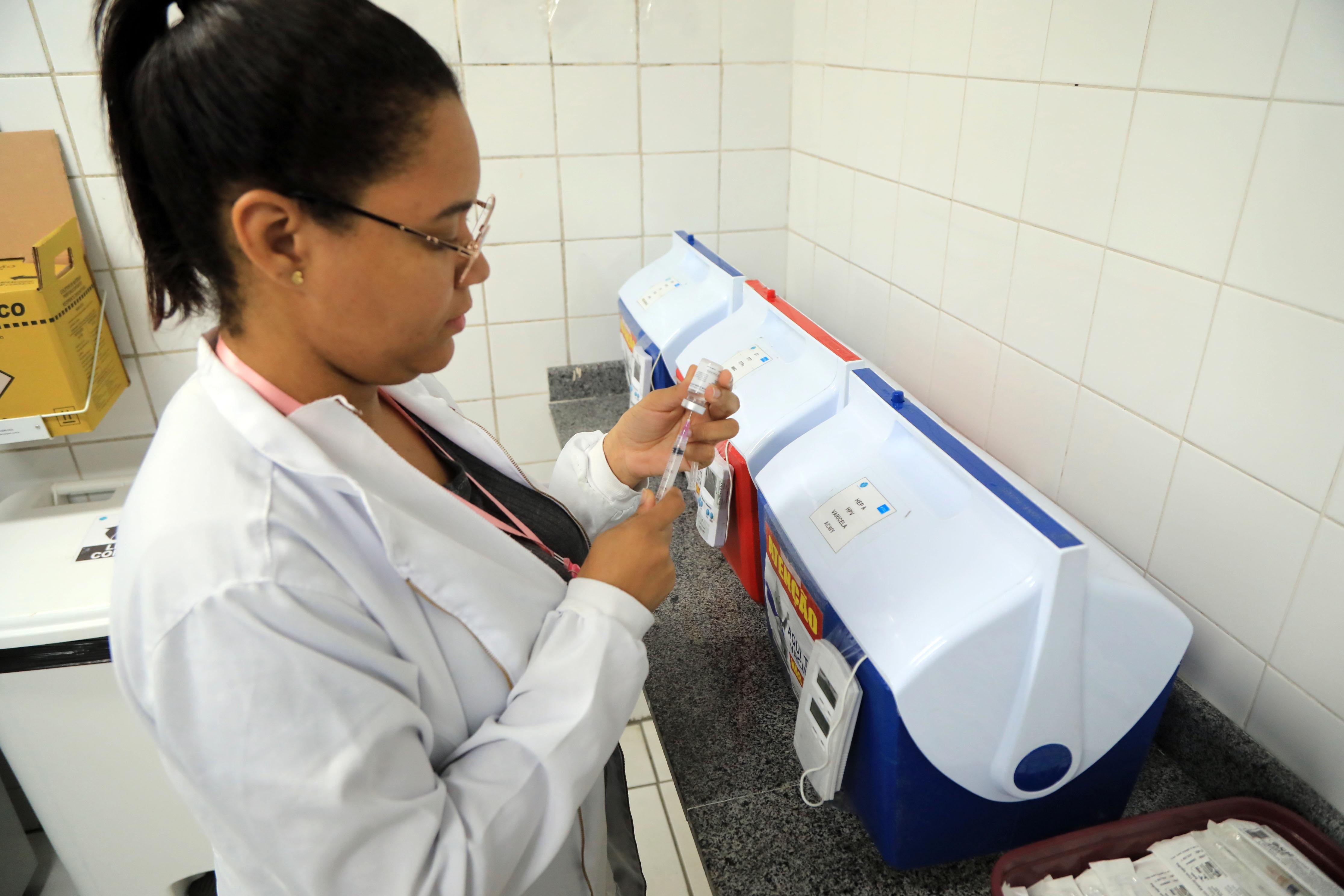
Salvador Launches Dengue Vaccination Campaign with Butantan Institute’s Immunizer
Salvador, Brazil has initiated a vaccination campaign against dengue fever, utilizing a vaccine developed by the Butantan Institute. The rollout began on Monday, March 3, 2026, initially targeting healthcare professionals working in Primary Health Care (APS), a strategy aligned with guidance from the Brazilian Ministry of Health. This first phase is supported by an initial delivery of 2,648 doses from the federal government. The move represents a significant step in bolstering public health defenses against the mosquito-borne disease, which continues to pose a challenge in the region.
The vaccination effort prioritizes a broad range of healthcare workers, including physicians, nurses, technicians, and auxiliary nurses. Dental professionals, as well as multidisciplinary team members such as nutritionists, psychologists, physiotherapists, physical educators, social workers, and pharmacists are also included. Crucially, the campaign extends to community health agents (ACS), endemic disease control agents (ACE), and administrative and support staff working within Basic Health Units. This comprehensive approach aims to protect those on the front lines of patient care and maintain the functionality of the healthcare system during potential outbreaks.
Rodrigo Alves, Salvador’s Secretary of Health, emphasized the importance of this initiative, stating, “We are protecting those who are on the front line of care for the population. This strategy strengthens the fight against dengue in Salvador and demonstrates our commitment to the health of SUS workers and the community.” He further explained that the vaccination program is integrated with a broader set of strategies, including preventative measures, mosquito control efforts, and public awareness campaigns. The Secretary’s statement underscores the multi-faceted approach being adopted to combat the spread of dengue in the city.
Expanding Access and Vaccine Options
The Secretaria Municipal da Saúde (SMS) has indicated that as additional vaccine shipments are received from the Ministry of Health, vaccination will be extended to other eligible populations. This phased approach is designed to ensure equitable access to the vaccine as supply increases. Currently, Brazil is utilizing two different dengue vaccines: one developed by the Butantan Institute and another by Takeda (Qdenga). Understanding the differences in these vaccines and their administration is crucial for a successful vaccination campaign.
The Butantan Institute’s vaccine is approved for individuals aged 15 to 59 years and 11 months, regardless of prior dengue infection. It is administered as a single dose via subcutaneous injection. This contrasts with the Takeda vaccine, Qdenga, which is currently recommended for children and adolescents between 10 and 14 years of age and requires a two-dose regimen with a three-month interval between doses. Health officials are emphasizing the importance of completing the full course of vaccination with the same product initially received.
Individuals who have already completed the two-dose schedule with the Takeda vaccine are considered fully immunized and are not advised to receive the Butantan vaccine. Conversely, the Butantan vaccine is intended for individuals who have not yet been vaccinated against dengue. This clear guidance aims to avoid potential complications and ensure optimal immune response. The Ministry of Health provides detailed information on dengue vaccination schedules and eligibility criteria on its official website. Brazilian Ministry of Health
Dengue in Brazil: A Public Health Challenge
Dengue fever remains a significant public health concern in Brazil, with outbreaks occurring regularly, particularly during the warmer months. The disease is caused by the dengue virus, transmitted to humans through the bite of infected Aedes aegypti mosquitoes. Symptoms can range from mild fever and headache to severe complications, including dengue hemorrhagic fever, which can be life-threatening. According to the Pan American Health Organization (PAHO), Brazil experienced a substantial increase in dengue cases in recent years, highlighting the need for effective prevention and control measures. Pan American Health Organization
The implementation of a national dengue vaccination program, utilizing both the Butantan and Takeda vaccines, represents a major advancement in Brazil’s efforts to combat the disease. Yet, vaccination is just one component of a comprehensive strategy. Continued efforts to eliminate mosquito breeding sites, promote personal protective measures (such as using mosquito repellent and wearing long sleeves), and educate the public about dengue prevention are equally important. The success of the vaccination campaign will depend on strong collaboration between federal, state, and municipal health authorities, as well as active participation from the community.
Vaccine Availability and Distribution in Salvador
The Butantan Institute’s vaccine is currently available at vaccination centers within Salvador’s municipal health network for eligible individuals. The Takeda vaccine, designated for children and adolescents aged 10 to 14, continues to be offered through the same network, following the two-dose schedule with a three-month interval. An exception to this is the vaccination center located within the Salvador Shopping mall, where the Butantan vaccine is being prioritized.
The SMS is actively monitoring vaccine supply and distribution to ensure that doses are allocated efficiently and reach those who need them most. Regular updates on vaccine availability and eligibility criteria will be provided through official channels, including the city’s health department website and social media accounts. Residents are encouraged to stay informed and follow the guidance of health officials to protect themselves and their communities from dengue fever.
Key Takeaways
- Salvador has launched a dengue vaccination campaign using the Butantan Institute’s vaccine, initially targeting healthcare workers.
- The Butantan vaccine is for individuals aged 15-59 years and 11 months, requiring a single dose.
- Individuals who have completed the Takeda vaccine schedule should not receive the Butantan vaccine, and vice versa.
- Dengue remains a significant public health challenge in Brazil, requiring a comprehensive approach to prevention, and control.
The Brazilian government is expected to provide further updates on the national dengue vaccination program, including plans for expanding eligibility criteria and increasing vaccine supply, in the coming months. The Ministry of Health will continue to monitor the epidemiological situation and adjust its strategies accordingly. For the most up-to-date information on dengue vaccination and prevention, residents are encouraged to consult the official resources provided by the Brazilian Ministry of Health and the Salvador Municipal Health Department.
Stay informed about the latest developments in dengue prevention and vaccination efforts in Salvador. Share this article with your network to help raise awareness and protect your community. Your comments and questions are welcome below.
Keep reading