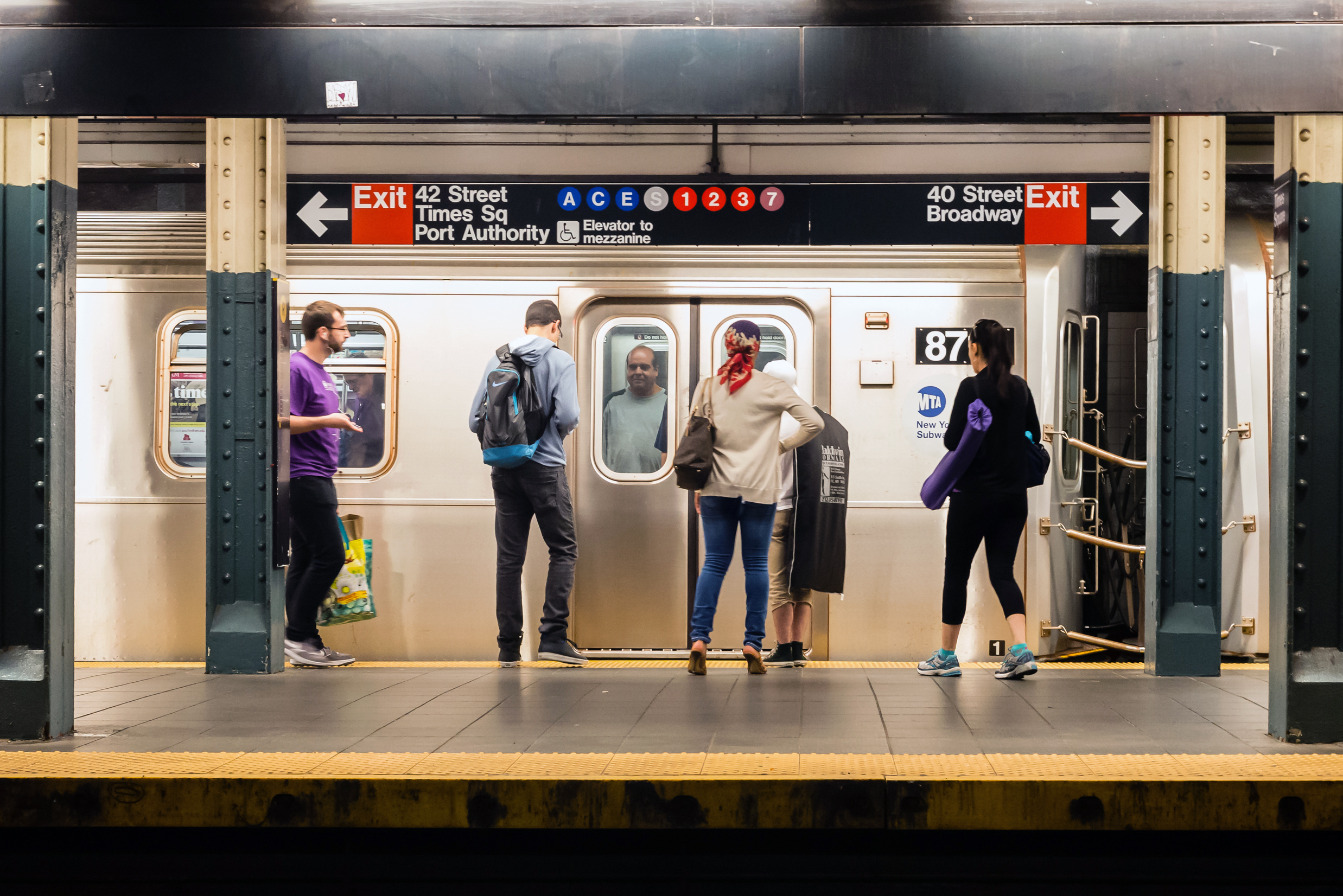
New York City commuters may soon encounter a new soundscape beneath the streets – audio advertisements. The Metropolitan Transportation Authority (MTA) has launched a pilot program introducing 30-second audio ads into select subway and commuter rail stations, a move intended to generate revenue for the financially strained transit system. The program, which began in March 2026, will see advertisements broadcast every ten minutes, sparking debate about the impact on the rider experience.
The MTA, responsible for operating New York City’s extensive public transportation network, faces ongoing financial challenges. According to the MTA’s 2024 financial report, the agency is grappling with a multi-billion dollar budget deficit, exacerbated by pandemic-related ridership declines and rising operating costs. The MTA’s official financial reports detail the agency’s ongoing efforts to identify new revenue streams, and this pilot program represents one such initiative. The hope is that advertising revenue will support offset these costs and maintain service levels.
A New Sound for the Subway: Details of the Pilot Program
The audio advertisements are currently limited to the entertainment and sports sectors, including promotions for upcoming movies, television shows, concerts, live events, and video games. The MTA has stipulated that the advertisements will be capped at 75 decibels, a level comparable to a loud conversation, heavy traffic, or a vacuum cleaner. This decibel level was chosen, according to MTA officials, to ensure the ads are audible without being overly disruptive. However, some commuters already struggle to hear important service announcements in noisy stations, raising concerns that the addition of advertisements could further exacerbate this issue.
Currently, the MTA has not publicly disclosed a list of the stations participating in the pilot program. Riders will likely encounter the advertisements unexpectedly, with only one advertiser’s content playing at a given station per day, meaning repeated exposure for those waiting for trains. The test run is scheduled to continue through June 1, 2026, providing the MTA with several months to gather data and assess the program’s effectiveness. The agency has stated that rider feedback will be a crucial factor in determining whether the program is extended beyond this initial trial period.
Initial Rider Reaction: A Chorus of Disapproval
Early reactions to the audio advertisements have been largely negative. An Instagram post announcing the pilot program generated a wave of critical comments, with many riders expressing concerns about increased noise levels and potential distractions. One commenter, representative of the broader sentiment, succinctly stated, “Save yourself research and just know the feedback is: NO.” This initial backlash highlights the sensitivity surrounding changes to the subway environment and the potential for negative public perception.
The introduction of advertising into the subway system is not a new concept. Visual advertisements, such as posters and digital displays, have long been a fixture in many stations. However, the addition of audio advertisements represents a significant shift, potentially impacting the overall ambiance and passenger experience. The MTA has previously experimented with various advertising formats, including platform branding and train wraps, as part of its efforts to diversify revenue streams. Mass Transit Magazine reported in 2023 on the MTA’s expanding advertising initiatives.
The Broader Context: Transit Funding and Advertising Revenue
The MTA’s reliance on advertising revenue is part of a broader trend among public transportation agencies facing financial pressures. Many transit systems across the United States are exploring innovative funding models to supplement traditional sources of revenue, such as fares and government subsidies. Advertising, naming rights, and public-private partnerships are increasingly being considered as viable options.
The debate over advertising in public spaces often centers on the balance between financial necessity and the quality of the passenger experience. Proponents argue that advertising revenue can help maintain affordable fares and improve service levels, while critics contend that it can create a cluttered and intrusive environment. The success of the MTA’s pilot program will likely depend on its ability to strike a balance between these competing interests.
Decibel Levels and Potential Disruptions
The MTA’s decision to cap the audio advertisements at 75 decibels is intended to mitigate potential disruptions. However, the perception of loudness is subjective and can vary depending on individual sensitivity and the ambient noise levels in the station. Some experts suggest that even at 75 decibels, the advertisements could interfere with passengers’ ability to hear important announcements or engage in conversations. The repetitive nature of the advertisements – with the same content playing every ten minutes – could contribute to annoyance and fatigue.
The potential impact on passengers with hearing impairments is also a concern. While the MTA has not specifically addressed this issue, This proves likely that the agency will need to consider accessibility measures to ensure that all riders can access important information. This could include providing visual alternatives to audio announcements or offering assistive listening devices.
Looking Ahead: Rider Feedback and Future Expansion
The MTA has established a feedback mechanism for riders to share their thoughts on the audio advertisement pilot program. Passengers can submit comments and suggestions through the MTA’s website. The MTA’s customer feedback portal provides a direct channel for riders to voice their opinions. The agency has indicated that it will carefully review all feedback received before making a decision about the future of the program.
If the pilot program proves successful, the MTA could potentially expand the use of audio advertisements to additional stations and lines. The agency could also explore new advertising formats, such as targeted advertisements based on passenger demographics or location. However, any expansion would likely be subject to further public scrutiny and debate.
The next key date for this initiative is June 1, 2026, when the initial pilot program is scheduled to conclude. The MTA will then analyze the collected data and rider feedback to determine the program’s future. We encourage readers to share their experiences with the audio advertisements and provide feedback to the MTA to help shape the future of New York City’s subway system.
What are your thoughts on the new audio advertisements? Share your comments below and let us know how this change is impacting your commute.
Worth a look