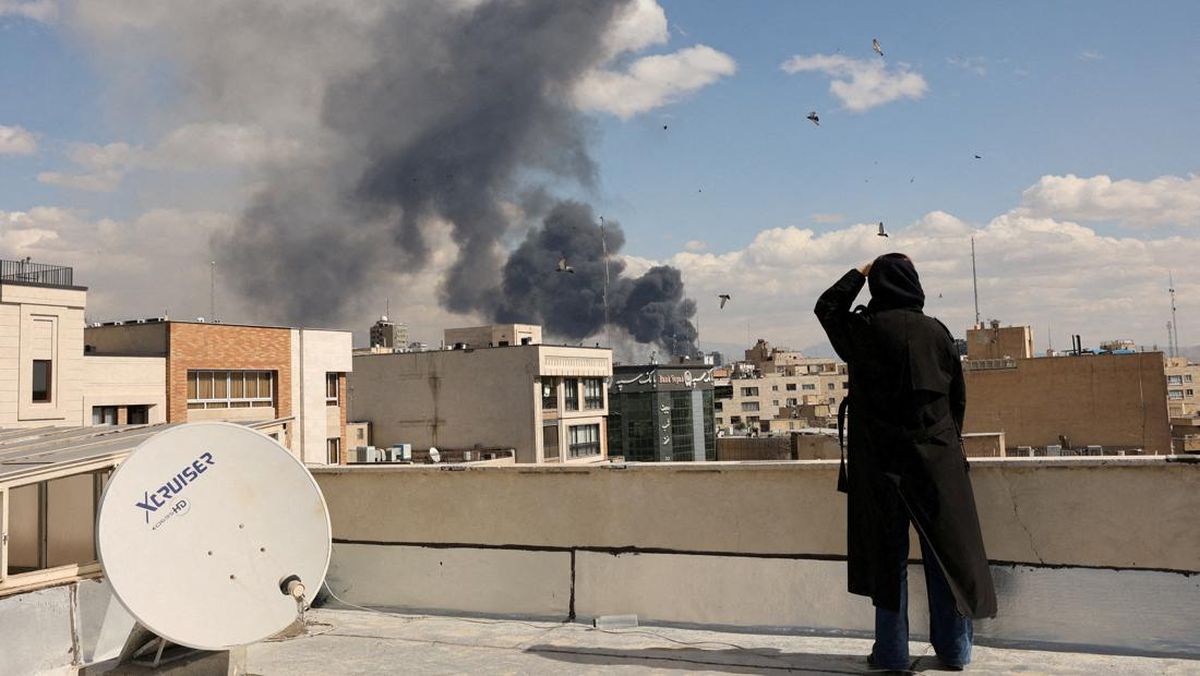
The specter of direct Iranian retaliation against the United States looms large following recent joint military actions involving the U.S. And Israel, according to intelligence assessments. While a large-scale physical attack on American soil is considered unlikely, U.S. Officials are bracing for a sustained campaign of targeted attacks and escalating cyber warfare originating from Iran and its proxies. This assessment comes amid heightened tensions in the Middle East and follows reports of attacks on U.S. Allies in the Gulf region.
A February 28th threat assessment, produced by the Department of Homeland Security’s Office of Intelligence and Analysis, indicates that Iran and its affiliated groups “likely” pose a continuing threat of attacks targeting the U.S. Homeland. This assessment underscores a growing concern within the U.S. Intelligence community regarding Iran’s potential response to perceived provocations, particularly in the wake of recent military operations. The situation is further complicated by the potential for escalation if reports of the death of a high-ranking Iranian official, such as Ayatollah Ali Khamenei, are confirmed.
Escalating Tensions and Potential Attack Vectors
The current crisis stems from a series of escalating events, beginning with joint U.S.-Israeli actions against Iranian interests. Reports initially indicated the confirmation of the death of Ayatollah Ali Khamenei, Iran’s Supreme Leader, during these operations, a claim later confirmed by Iran itself. According to CNN, this prompted a large-scale retaliatory response from Iran’s Islamic Revolutionary Guard Corps (IRGC) targeting Israel and U.S. Military assets throughout the Middle East.
The DHS assessment highlights two primary avenues for potential Iranian retaliation: direct attacks and cyber warfare. While a large-scale physical assault on the U.S. Is deemed improbable, officials are preparing for a series of more focused attacks. These could include targeting critical infrastructure, government facilities, or even individuals associated with U.S. Foreign policy. Simultaneously, Iranian-aligned “hacktivists” are expected to intensify cyberattacks against U.S. Networks, focusing on relatively low-level disruptions such as website defacement and distributed denial-of-service (DDoS) attacks. These cyberattacks, while not catastrophic, could cause significant inconvenience and economic damage.
Cybersecurity Concerns and Potential Targets
The threat of Iranian cyberattacks is particularly concerning given the increasing sophistication of Iranian hacking capabilities. As reported by CNBC, the U.S. Embassy in Riyadh, Saudi Arabia, was recently targeted by drones, illustrating the reach and willingness of Iranian-backed groups to conduct attacks in the region. The DHS report specifically notes that Iran is likely to blame senior U.S. Government officials for any protests that may arise as a result of statements made by President Donald Trump regarding regime change in Iran. This suggests a deliberate strategy to exploit political divisions within the U.S. And incite unrest.
The DHS is actively monitoring the situation and coordinating with federal law enforcement and intelligence partners to mitigate potential threats. Homeland Security Secretary Kristi Noem stated that her department is “continuously monitoring and disrupting any potential threats to the homeland.” However, the assessment acknowledges that the risk of attacks remains elevated, and vigilance is crucial. The focus extends beyond physical attacks to include the protection of critical infrastructure, including energy grids, financial institutions, and communication networks, from cyber intrusions.
The Broader Geopolitical Context
The current escalation is deeply rooted in the complex geopolitical landscape of the Middle East. Iran has long been a regional power, and its nuclear program and support for proxy groups have been a source of concern for the U.S. And its allies. The recent military actions represent a significant escalation in the ongoing conflict between Iran and its adversaries, and the potential for further escalation remains high. The involvement of Israel adds another layer of complexity, given its close relationship with the U.S. And its own security concerns regarding Iran.
The U.S. Has been increasing its military presence in the Middle East in response to the growing threat. The New York Times reports that President Trump has suggested the possibility of an extended war with Iran, signaling a willingness to take decisive action to protect U.S. Interests. However, the potential consequences of a prolonged conflict are significant, and the U.S. Is likely to pursue a combination of military deterrence and diplomatic efforts to de-escalate the situation.
Potential for Further Escalation and Diplomatic Efforts
The DHS assessment suggests that Iran is likely to continue its attacks against U.S. Targets and allies in the Middle East. The report also indicates that Iran will likely seek to exploit any perceived weaknesses in U.S. Policy or leadership to advance its own agenda. The potential for miscalculation and unintended consequences is high, and the U.S. Is working to maintain open lines of communication with Iran and other regional actors to prevent further escalation.
The international community is also urging restraint and calling for a diplomatic solution to the crisis. However, the deep-seated mistrust between Iran and the U.S., as well as the involvement of other regional powers, makes a peaceful resolution challenging. The coming days and weeks will be critical in determining whether the situation can be contained or whether it will spiral into a wider conflict. The focus remains on deterring further Iranian aggression while simultaneously seeking opportunities for dialogue and de-escalation.
Key Takeaways:
- U.S. Intelligence assesses a credible threat of Iranian retaliation following recent military actions.
- The primary threats are targeted attacks and escalating cyber warfare.
- A large-scale physical attack on U.S. Soil is considered unlikely, but not impossible.
- The DHS is actively monitoring the situation and coordinating with federal agencies.
- The geopolitical context is complex, with deep-seated mistrust and regional rivalries.
As the situation continues to evolve, the U.S. Government will undoubtedly provide further updates and guidance. Stay informed by monitoring official sources, such as the Department of Homeland Security and the State Department, for the latest information and travel advisories. The coming weeks will be crucial in determining the trajectory of this escalating crisis, and continued vigilance is paramount.
What are your thoughts on the potential for further escalation? Share your comments below and let us recognize how this situation impacts your perspective on global security.
- ICRC Delegates Visit Former Myanmar Leader Aung San Suu Kyi
- Is the American Dream Still Alive? Susan Wachter’s Perspective
- Vozinha Arrives in Chile to Join Colo-Colo Following Massive Fan Welcome (archyworldys.com)
- US Treasury Secretary Bessent Signals Potential Joint Intervention to Support Yen (archynewsy.com)