
Beyond Cholesterol: Why ApoB May Be a More Accurate Predictor of Stroke Risk
For decades, monitoring cholesterol levels has been a cornerstone of cardiovascular health assessments. But increasingly, cardiologists are suggesting that focusing solely on LDL cholesterol – often dubbed “poor” cholesterol – may not provide a complete picture of an individual’s risk of stroke. Emerging evidence points to Apolipoprotein B (ApoB) as a potentially more revealing indicator, capable of identifying risk even in individuals with seemingly normal cholesterol levels. This shift in perspective underscores the complexity of cardiovascular disease and the need for more nuanced preventative strategies.
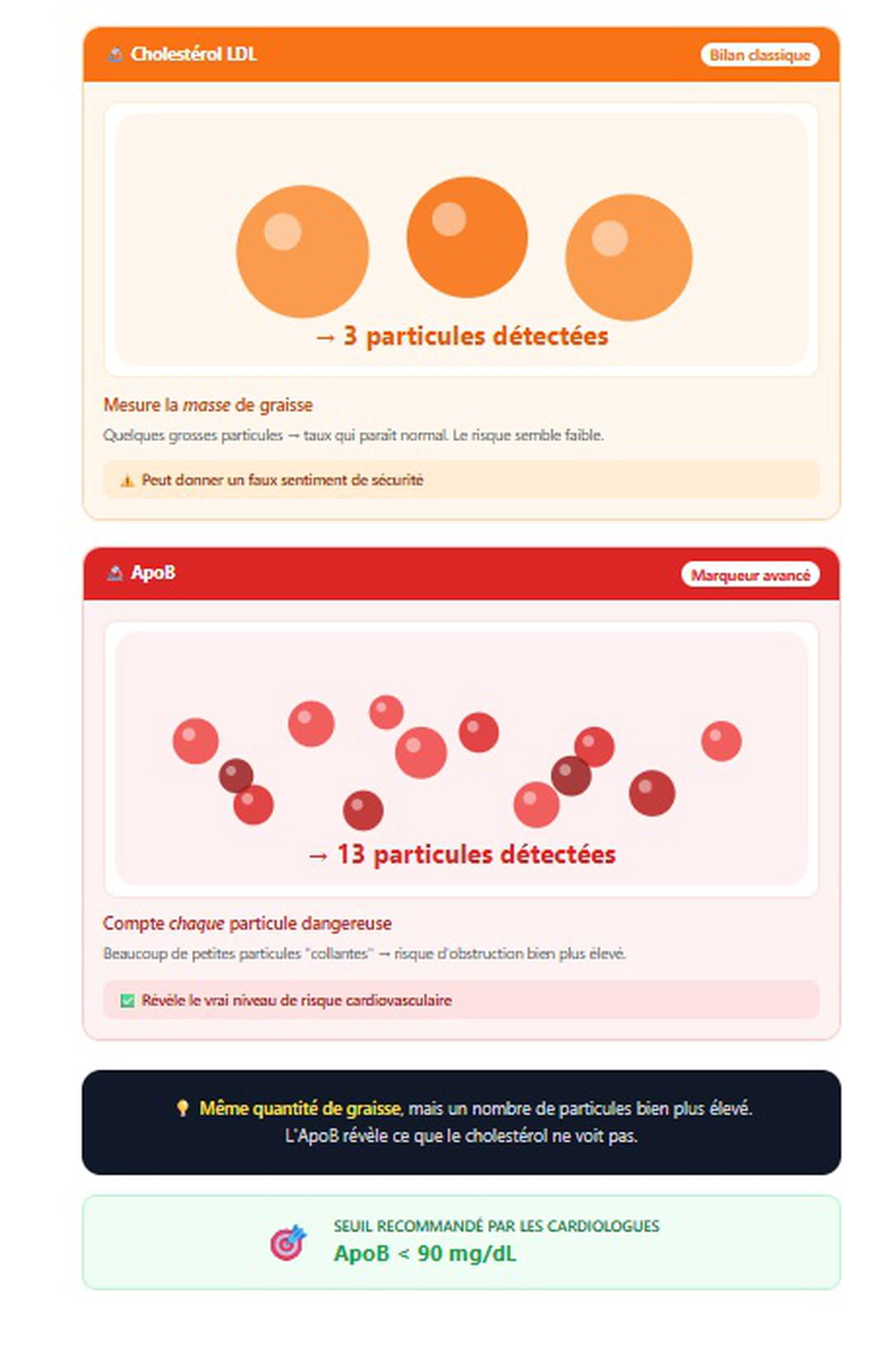
The traditional lipid panel, measuring total cholesterol, HDL (“good” cholesterol), LDL, and triglycerides, has long been the standard. However, this approach has limitations. It doesn’t necessarily reflect the actual danger posed by the particles circulating in the bloodstream. A person can have a relatively low LDL cholesterol reading, yet still harbor a large number of small, dense particles that are more prone to causing arterial blockages. These particles, often overlooked by standard cholesterol tests, can silently accumulate and increase stroke risk.
ApoB, offers a different perspective. This protein is present on all cholesterol-carrying particles – LDL, VLDL (very-low-density lipoprotein), and IDL (intermediate-density lipoprotein) – that have the potential to contribute to atherosclerosis, the buildup of plaque in the arteries. “ApoB is a better marker than cholesterol for evaluating stroke risk given that it measures the total number of atherogenic particles,” explains Dr. Heather Swales, a cardiologist, as reported by Parade magazine. Whereas cholesterol measures the *amount* of fat, ApoB measures the *number* of potentially harmful “projectiles” ready to attack blood vessels.
Why the Shift Towards ApoB?
The growing interest in ApoB stems from a deeper understanding of how atherosclerosis develops. Atherosclerosis is a chronic inflammatory disease where plaque builds up inside arteries. This plaque is composed of cholesterol, fat, calcium, and other substances. The size and number of atherogenic particles – those carrying cholesterol – are key determinants of plaque stability and the risk of rupture, which can lead to heart attack or stroke. ApoB directly reflects the number of these particles, providing a more comprehensive assessment of risk than LDL cholesterol alone.
Currently, ApoB is not routinely included in standard lipid panels. However, experts suggest considering it as a supplementary test, particularly for individuals with borderline LDL cholesterol levels (between 1.3 and 1.6 g/L, as noted in the source material) or those with complex metabolic profiles, such as diabetes, abdominal obesity, or high triglycerides. It can also be valuable for individuals with a family history of early cardiovascular events despite normal cholesterol readings. The American Heart Association published a scientific statement in 2023 refuting concerns about heightened risk of hemorrhagic stroke and cognitive impairment associated with aggressive LDL-C lowering, further supporting the pursuit of more precise risk assessment tools. The American College of Cardiology highlights that studies have not demonstrated an increased risk of these complications with lower LDL-C levels.
What Do the Numbers Mean?
A normal ApoB level is generally considered to be below 90 mg/dL in healthy individuals. However, a higher ApoB level doesn’t automatically indicate a cause for alarm, but it warrants further investigation and discussion with a healthcare provider. Lifestyle modifications, such as increasing fiber intake, reducing consumption of ultra-processed carbohydrates, and engaging in regular physical activity, can facilitate lower ApoB levels, according to Dr. Jeremy London, a cardiovascular surgeon.
It’s important to note that ApoB assessment should be considered within the broader context of cardiovascular risk factors. Maintaining healthy blood pressure (ideally below 120/80 mmHg) is crucial, as hypertension directly damages arterial walls. Addressing sleep disorders, such as obstructive sleep apnea, is also vital, as these conditions can strain the heart and increase stroke risk. Managing underlying conditions like atrial fibrillation or certain blood disorders is essential for preventing complications.
The Importance of a Holistic Approach
The focus on ApoB doesn’t diminish the importance of monitoring traditional cholesterol levels. Rather, it emphasizes the need for a more comprehensive and individualized approach to cardiovascular risk assessment. ApoB provides an additional layer of information, helping clinicians to identify individuals who may be at higher risk than traditional lipid panels suggest.
The benefits of lowering LDL cholesterol are well-established, with numerous randomized trials demonstrating a reduced risk of atherosclerotic cardiovascular disease (ASCVD). According to research published in Circulation, the greatest benefit is achieved by those who attain the lowest LDL-C levels for the longest periods. However, understanding the nuances of particle number – as reflected by ApoB – allows for a more targeted and effective prevention strategy.
Looking Ahead: The Future of Cardiovascular Risk Assessment
As our understanding of cardiovascular disease evolves, so too will our approach to risk assessment. ApoB is likely to play an increasingly important role in identifying individuals who would benefit from more aggressive lipid-lowering therapies. Further research is needed to refine guidelines for ApoB testing and to determine the optimal target levels for different patient populations.
The conversation surrounding cardiovascular health is shifting from simply lowering cholesterol to understanding the underlying mechanisms of atherosclerosis and identifying the most accurate predictors of risk. ApoB represents a significant step forward in this direction, offering a more complete and nuanced picture of an individual’s cardiovascular health.
The next step in refining cardiovascular risk assessment will likely involve further investigation into the interplay between ApoB, other biomarkers, and genetic predispositions. Continued research and clinical trials are essential to optimize preventative strategies and reduce the burden of stroke and heart disease worldwide. If you have concerns about your cardiovascular risk, discuss ApoB testing and a comprehensive risk assessment with your healthcare provider.
Disclaimer: This article provides general information and should not be considered medical advice. Always consult with a qualified healthcare professional for personalized guidance and treatment.
Keep reading
- One Body Aspect Increases Dementia Risk: New Study Reveals How to Prevent It
- Apple TV Reimagines Classic Tale as Gripping New Thriller Series
- New directive for delivery workers could see prices rise – RTE.ie (archynewsy.com)
- Julian Nagelsmann Out as Germany Manager: Could Jürgen Klopp Be the Successor? (newsdirectory3.com)