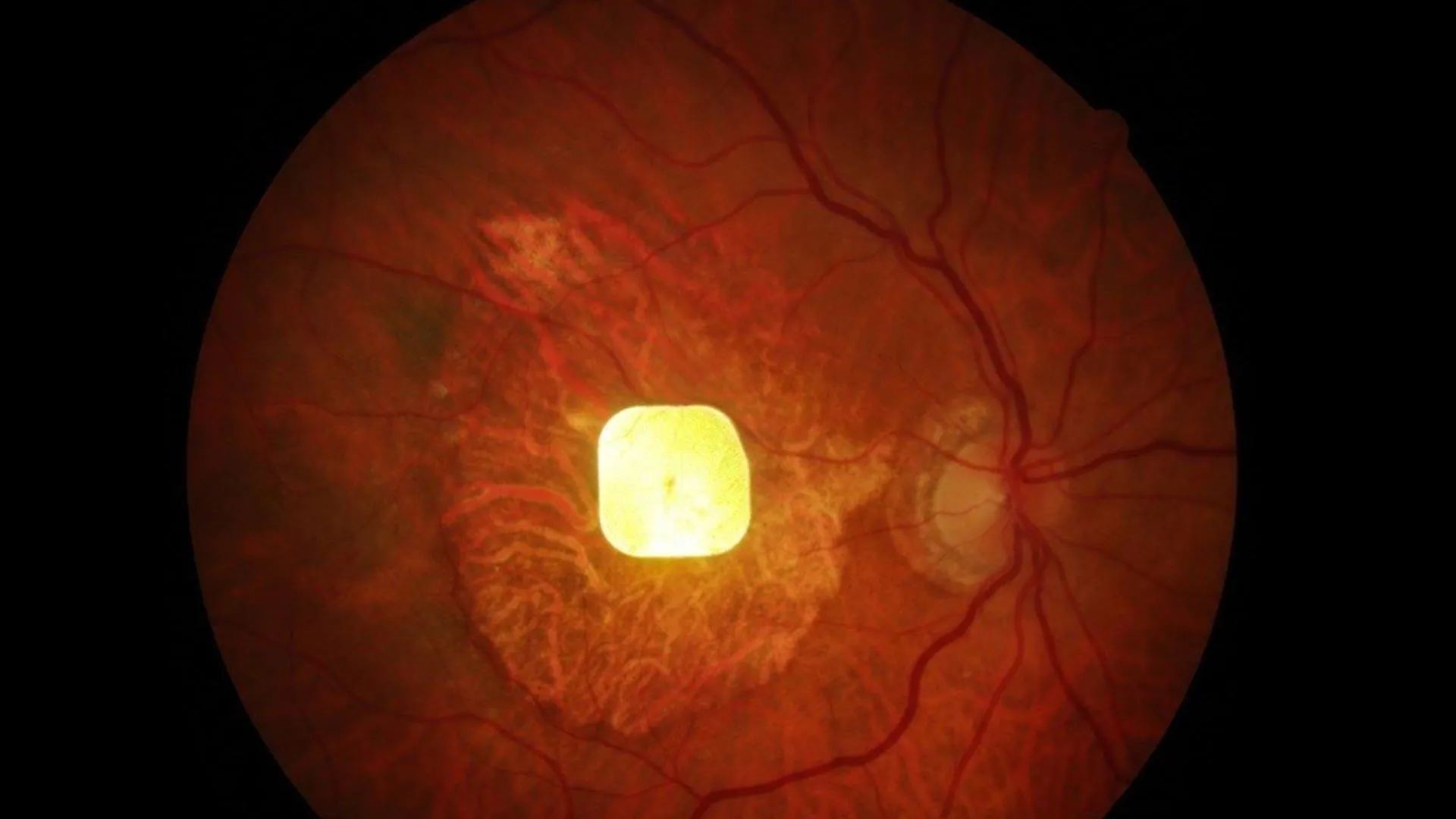
Berlin – A groundbreaking wireless retinal implant is offering renewed hope to individuals grappling with vision loss from advanced age-related macular degeneration (AMD). Published in the New England Journal of Medicine, the results of a recent clinical trial demonstrate significant improvements in central vision for participants, marking a major step forward in the field of vision restoration. AMD, affecting over 5 million people globally, is a leading cause of irreversible blindness, particularly among older adults. This innovative technology, known as the PRIMA system, represents a potential turning point for those living with this debilitating condition.
The development of the PRIMA implant is the culmination of years of research and collaboration between leading institutions across Europe and the United States. Spearheaded by José-Alain Sahel, M.D., of the UPMC Vision Institute. Daniel Palanker, Ph.D., from Stanford University; and Frank Holz, M.D., of the University of Bonn, the international, multi-center trial has yielded promising results. The device aims to bypass damaged photoreceptors in the retina, effectively transmitting visual information directly to the brain. This approach differs significantly from previous attempts at vision restoration, which primarily focused on achieving basic light sensitivity.
The clinical trial, known as the PRIMAvera trial, enrolled 38 participants aged 60 and older at 17 medical centers across France, Germany, Italy, the Netherlands, and the United Kingdom. After 12 months of follow-up, the data revealed that 26 out of 32 participants experienced clinically meaningful improvements in visual acuity. Remarkably, 27 participants reported utilizing the prosthetic vision system at home for everyday tasks, such as reading numbers and words. On average, participants demonstrated a gain of 25 letters – roughly equivalent to five lines – on a standard eye chart when using the implant. A substantial 81% of participants experienced an improvement of at least 10 letters, indicating a tangible benefit from the device. “It’s the first time that any attempt at vision restoration has achieved such results in a large number of patients,” stated Dr. Sahel, senior author of the study and chair of the Department of Ophthalmology at the University of Pittsburgh School of Medicine. “More than 80% of the patients were able to read letters and words, and some of them are reading pages in a book. This represents really something we couldn’t have dreamt of when we started on this journey, together with Daniel Palanker, 15 years ago.”
How the PRIMA System Works: Restoring Sight Through Wireless Technology
Age-related macular degeneration progressively damages the central part of the retina, the light-sensitive tissue at the back of the eye. This damage leads to a blurring of central vision, impacting activities like reading, driving, and recognizing faces. In a healthy eye, photoreceptors capture light and convert it into electrical signals that travel through the optic nerve to the brain, where they are interpreted as images. The PRIMA system is designed to circumvent this damage by directly stimulating the remaining functional retinal cells. Stanford Medicine explains that the system consists of two key components: a miniature wireless chip implanted in the back of the eye and a pair of specialized glasses equipped with a camera.
The camera in the glasses captures images and transmits them to the implanted chip via near-infrared light. This wireless transmission eliminates the need for cumbersome wires or external connections. The chip then converts the light signals into electrical impulses, effectively bypassing the damaged photoreceptors and stimulating the remaining retinal cells. Users can adjust settings on the glasses, such as zoom and contrast, to optimize their visual experience. Dr. Palanker, a professor of ophthalmology at Stanford University and co-senior author of the study, emphasized the significance of this achievement: “We are the first to provide form vision,” meaning the ability to perceive shapes and patterns, a crucial step towards restoring functional sight. The implant itself measures just 2×2 millimeters, minimizing invasiveness during the surgical procedure.
Clinical Trial Results and Patient Impact
The PRIMAvera trial demonstrated not only improvements in visual acuity but similarly a positive impact on participants’ quality of life. The ability to read numbers and words at home, as reported by 27 participants, highlights the practical benefits of the implant. One participant experienced an impressive improvement of 59 letters on the eye chart, equivalent to 12 lines, showcasing the potential for substantial vision gains. While the implant doesn’t restore 20/20 vision, Dr. Sahel notes that researchers at UPMC are actively exploring methods to further enhance the device’s capabilities and potentially help patients surpass the threshold for legal blindness.
The study also reported a favorable safety profile, with all side effects related to the procedure resolving within 12 months. This is a crucial factor for the long-term viability and acceptance of the technology. The success of the PRIMAvera trial builds upon a smaller first-in-human trial and decades of development, prototypes, and animal studies. Dr. Palanker first conceived of the idea for such a device 20 years ago while working with ophthalmic lasers.
Regulatory Approval and Future Outlook
Following the positive results of the PRIMAvera trial, Science Corporation, the device manufacturer (formerly Pixium Vision SA), has submitted applications for clinical use approval in both Europe and the United States. The UPMC Vision Institute became the first U.S. Center to implant the PRIMA device in 2020, as part of an earlier study led by Dr. Joseph Martel, an associate professor of ophthalmology. The regulatory review process is now underway, and if approved, the PRIMA system could grow a commercially available treatment option for individuals with advanced AMD. The New England Journal of Medicine reports that the device represents a significant advancement in the treatment of geographic atrophy (GA), the most common form of advanced AMD.
The research team is continuing to investigate ways to improve the device and expand its potential applications. Future studies may explore the use of artificial intelligence and machine learning to enhance image processing and optimize visual output. The ultimate goal is to provide a more natural and seamless visual experience for individuals with AMD, restoring their independence and improving their overall quality of life. The ongoing research also involves collaboration with institutions such as The University of Bonn, The Adolphe de Rothschild Foundation Hospital, and Moorfields Eye Hospital, demonstrating a global commitment to addressing this significant public health challenge.
Key Takeaways
- The PRIMA retinal implant offers a promising new treatment option for individuals with advanced age-related macular degeneration (AMD).
- Clinical trial results demonstrate significant improvements in visual acuity and the ability to perform everyday tasks, such as reading.
- The device works by wirelessly transmitting visual information directly to the brain, bypassing damaged photoreceptors in the retina.
- Regulatory applications have been submitted in Europe and the United States, paving the way for potential commercial availability.
- Ongoing research aims to further enhance the device’s capabilities and expand its applications.
The next step in the process involves awaiting decisions from regulatory bodies in Europe and the United States regarding the approval of the PRIMA system for clinical use. Updates on the approval process will be available through Science Corporation’s website and through announcements from the UPMC Vision Institute. This groundbreaking technology offers a beacon of hope for millions affected by AMD, and its potential impact on the lives of those living with vision loss is immense. Share your thoughts and experiences in the comments below, and help spread awareness of this exciting advancement in vision restoration.
Keep reading