Italian Physics Teacher Accused of Boosting Grades for YouTube Engagement
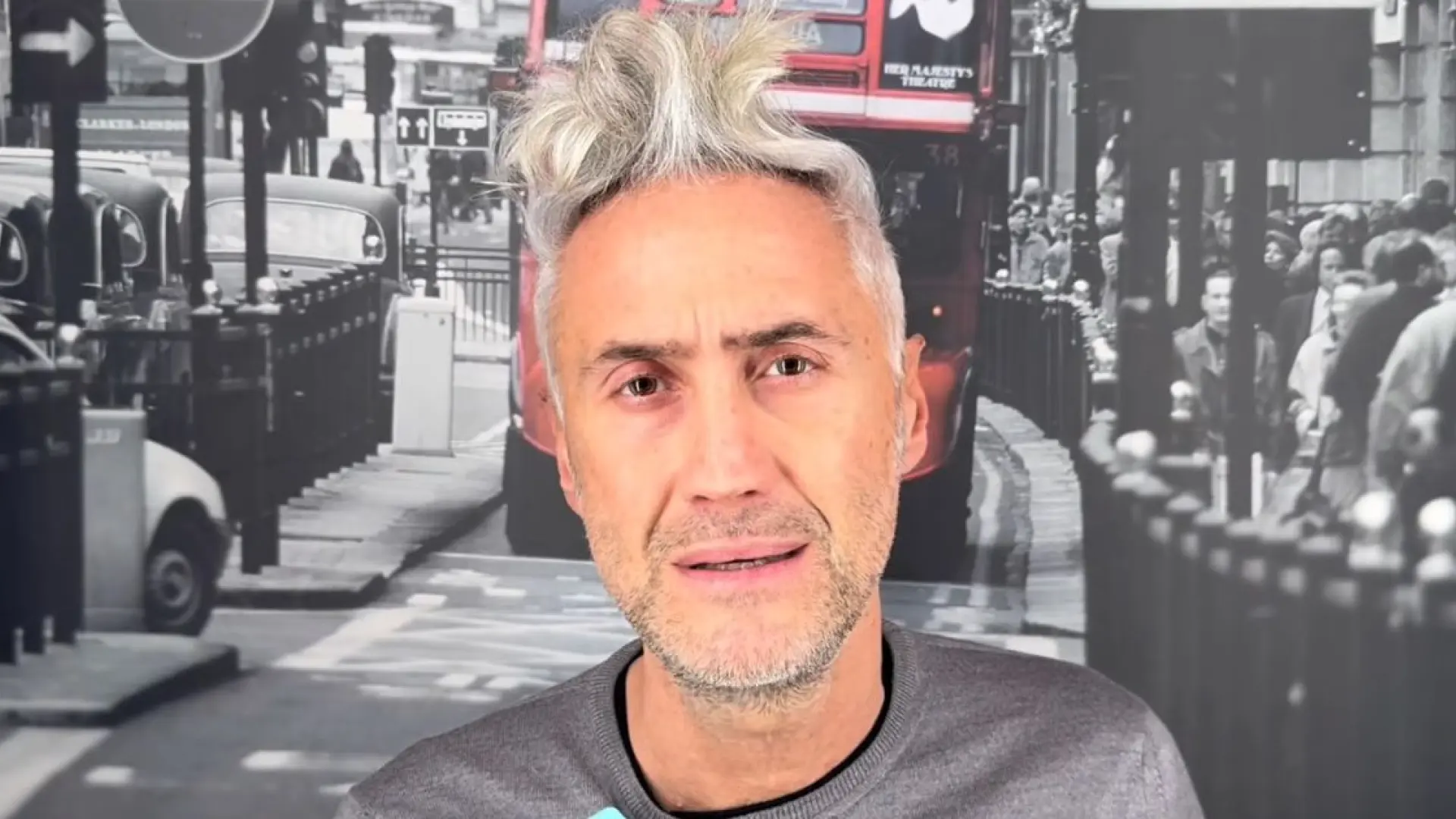
The intersection of education and social media is once again under scrutiny following allegations against Vincenzo Schettini, a physics teacher from Italy. Schettini, who boasts a significant online following on platforms like YouTube and Instagram, is facing criticism after admitting to encouraging his students to engage with his online content – specifically, his YouTube videos – in exchange for potential grade improvements. The controversy raises questions about the appropriate boundaries between educators and their online presence, and the potential for conflicts of interest when leveraging student participation for personal gain.
Schettini’s YouTube channel, La Fisica Che Ci Piace (The Physics We Like), has garnered nearly one million subscribers, while his Instagram account has over 3.4 million followers. This substantial online presence, he has stated, was partially built on the support of his students. While initially presented as a lighthearted anecdote, his admission that he “obligated” students to view and comment on his early live streams has sparked debate and accusations of unethical behavior. The situation highlights a growing trend of educators utilizing social media to supplement their teaching, but also underscores the potential pitfalls when personal branding intersects with academic responsibility.
The allegations surfaced after Schettini discussed his early efforts to build his online audience during an appearance on the BSMT podcast. He recounted a time when he had only four subscribers and actively encouraged his 24 students to watch his live streams, describing the experience as “exciting” to see their initial comments. https://www.youtube-nocookie.com/embed/bo0c7KZk-9c" title="YouTube video player" frameborder="0" allow="accelerometer; autoplay; clipboard-write; encrypted-media; gyroscope; picture-in-picture; webshare" allowfullscreen="" width="560" height="315" loading="lazy This admission quickly drew attention, with some former students coming forward to share their experiences and concerns.
Student Accounts Detail a System of Incentivized Engagement
Former students have described a system where participation in Schettini’s online content directly impacted their grades. According to reports from MowMag, Schettini requested screenshots as proof of comments made on his live streams, offering up to two extra points on assignments for participation. One former student lamented that the highest grade attainable without commenting was an 8 out of 10, effectively making engagement with his YouTube channel a requirement for achieving top marks. This practice raises serious questions about academic integrity and the fairness of grading practices.
While some students reportedly benefited from the system, allowing them to achieve better grades with less effort, others expressed frustration. One former student told MowMag they felt they were “losing time” and “not learning much” due to the focus on online engagement rather than traditional classroom instruction. The differing perspectives highlight the complex dynamics at play and the potential for such practices to create an uneven learning environment. The core issue revolves around whether a teacher’s personal online endeavors should be intertwined with academic assessment.
The controversy has also led to accusations that Schettini deleted older videos from his channel, potentially to remove evidence of the incentivized engagement scheme. While these claims remain unconfirmed, they have further fueled the debate surrounding his conduct. The situation underscores the challenges of navigating the digital footprint of educators and the importance of transparency in their online activities.
The Broader Implications of “Influencer” Educators
The case of Vincenzo Schettini is not isolated. A growing number of educators are leveraging social media platforms like YouTube, TikTok, and Instagram to reach wider audiences and supplement their teaching. This trend, often referred to as “influencer educators,” presents both opportunities and challenges. On one hand, these platforms can provide valuable educational resources and engage students in new and innovative ways. They raise concerns about professionalism, conflicts of interest, and the potential for exploitation.
Critics argue that when educators prioritize building their personal brand over their primary responsibility to educate, it can compromise the integrity of the learning process. The focus shifts from fostering genuine understanding to generating engagement metrics, potentially leading to superficial learning and a distorted view of academic priorities. The use of student participation to boost online popularity raises ethical concerns about coercion and the potential for undue influence.
The debate extends to the question of whether educators should be allowed to profit from their online activities, particularly when those activities are directly linked to their teaching responsibilities. While some argue that educators deserve to be compensated for their efforts, others contend that it creates a conflict of interest and undermines the public trust. The lack of clear guidelines and regulations governing the online conduct of educators further complicates the issue.
Italy’s Education System and the Role of Social Media
Italy’s education system, like many others globally, is grappling with the integration of technology and social media into the classroom. The Ministry of Education has not yet issued specific guidelines regarding the use of social media by teachers, leaving individual institutions and educators to navigate the complexities on their own. This lack of clear direction has contributed to the ambiguity surrounding Schettini’s actions and the broader debate about the role of “influencer educators.”
The Italian education system is structured around a tiered approach, with primary school (scuola primaria), middle school (scuola secondaria di primo grado), and high school (scuola secondaria di secondo grado). Physics, as a core science subject, is typically taught in high school. The curriculum emphasizes both theoretical knowledge and practical application, and teachers are expected to employ a variety of pedagogical methods to engage students. The use of online resources, including YouTube videos, is increasingly common, but the extent to which teachers actively solicit student engagement with their personal channels remains a contentious issue.
Schettini’s case has prompted calls for greater oversight and regulation of educators’ online activities. Some advocate for the development of a code of ethics that specifically addresses the use of social media, while others propose stricter guidelines regarding the integration of personal branding with academic responsibilities. The goal is to strike a balance between fostering innovation and protecting the integrity of the educational process.
Schettini’s Response and Ongoing Investigation
Vincenzo Schettini has responded to the allegations by claiming that the situation has been a “misinterpretation” of his work. He has not publicly addressed the specific accusations of incentivizing grades for online engagement, but has remained largely silent on the matter despite a barrage of comments and questions on his recent videos. This lack of direct response has further fueled the controversy and led to increased scrutiny of his online activities.
As of March 3, 2026, it remains unclear whether any formal investigation has been launched by the Italian Ministry of Education or the school where Schettini teaches. However, the widespread media coverage and public outcry suggest that the issue is likely to attract further attention from authorities. The outcome of any potential investigation could have significant implications for Schettini’s career and for the broader debate about the role of social media in education.
The situation also raises questions about the responsibility of social media platforms to monitor and regulate the content posted by educators. While platforms like YouTube and Instagram have policies in place to address harmful or inappropriate content, they currently lack specific guidelines regarding the ethical implications of incentivized engagement schemes. Some argue that platforms should take a more proactive role in ensuring that educators adhere to professional standards of conduct.
The controversy surrounding Vincenzo Schettini serves as a cautionary tale about the potential pitfalls of blending education with social media influence. As more educators embrace online platforms, We see crucial to establish clear guidelines and ethical boundaries to protect the integrity of the learning process and ensure that students are not exploited for personal gain. The debate over the appropriate role of “influencer educators” is likely to continue as the lines between education and entertainment become increasingly blurred.
Further developments in this case, including any official statements from the Italian Ministry of Education or the school administration, are expected in the coming weeks. World Today Journal will continue to monitor the situation and provide updates as they become available. Readers are encouraged to share their thoughts and perspectives on this important issue in the comments section below.
Related reading
- Senior Software Engineer – Node.js | Caterpillar Inc. | Chicago, IL & Irving, TX
- Trump Authorizes “Cyber Privateers” to Launch Offensive Hacks Against Foreign Criminals
- Italian Police Recover Stolen Renoir, Cézanne and Matisse Paintings (time.news)
- Mobile Banking Boosts Mindanao’s Informal Agriculture Sector (archyworldys.com)