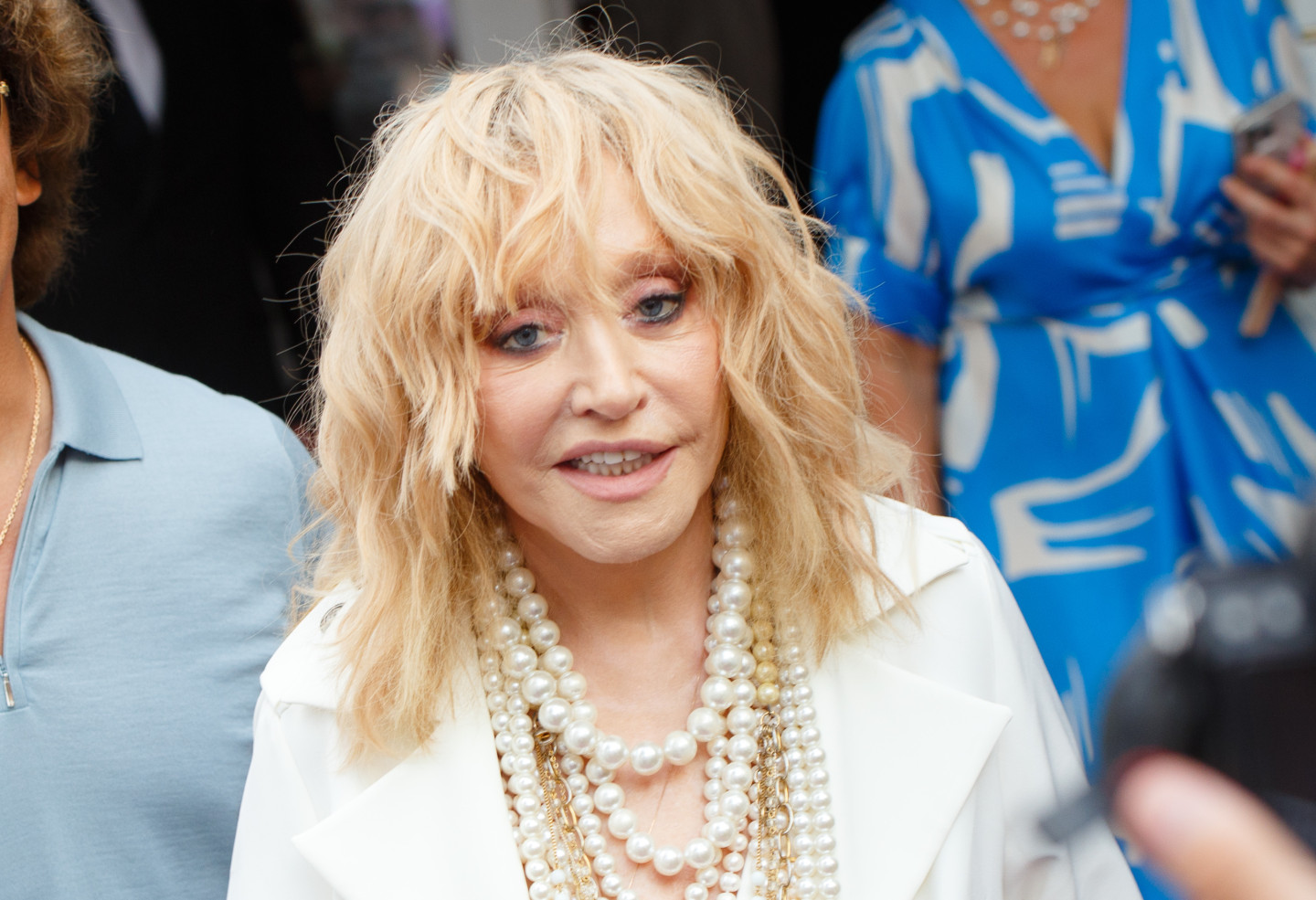
The ongoing conflict in Ukraine continues to reverberate far beyond the battlefield, extending into the cultural sphere and sparking controversy within Russia itself. A recent outcry has erupted over continued state payments to prominent artists who have publicly criticized the Kremlin’s actions, even as many of them reside abroad. This situation highlights the complex relationship between artistic freedom, political loyalty, and the financial support of the Russian state, and raises questions about the Kremlin’s tolerance for dissent, even among its most celebrated figures.
At the center of the debate are figures like Alla Pugacheva, a legendary singer often referred to as the “Queen of Russian Pop Music,” and Andrei Makarevich, a renowned musician and songwriter. Both have openly expressed their opposition to the war in Ukraine, leading to criticism from pro-Kremlin voices and calls for the revocation of their state benefits. The controversy underscores a growing tension within Russian society, where support for the war is not unanimous, and where dissenting voices face increasing pressure.
The issue gained prominence following reports that Pugacheva, despite living outside of Russia, continues to receive substantial payments from the state, estimated to be between 50,000 and 90,000 rubles per month. These payments stem from a combination of state awards, orders, and special allowances for residents of Moscow, even those who no longer live there. As reported by the Associated Press, Pugacheva returned to Russia briefly in May 2023 to attend a funeral, where she was seen greeted warmly by Kremlin spokesman Dmitry Peskov, a gesture that drew further scrutiny.
The Financial Details and Public Outcry
Beyond the direct pension payments, Pugacheva also benefits from royalties generated by the continued broadcast of her music on Russian radio stations. This additional income stream further fuels the debate over whether individuals who criticize the government should continue to profit from the Russian cultural landscape. Similarly, Andrei Makarevich reportedly receives a pension, including bonuses related to his professional achievements, totaling around 90,000 rubles. The disparity between these payments and the average Russian pension – which, according to various sources, barely exceeds 20,000 rubles – has become a focal point for criticism.
This perceived inequity has been seized upon by pro-Kremlin activists, who argue that those who publicly distance themselves from the government’s policies should not be entitled to state support. These activists are demanding the immediate cancellation of all privileges afforded to cultural figures who have expressed opposition to the war in Ukraine. The situation has become a potent symbol for those who believe that loyalty to the state should be a prerequisite for receiving financial benefits.
Legal Complexities and the “Foreign Agent” Status
However, legally revoking these benefits is not straightforward. Russian legal experts point out that We see difficult to unilaterally deprive citizens of earned entitlements without a formal renunciation of citizenship or a court order. As NBC News reported, prosecutors have even considered labeling Pugacheva a “foreign agent,” a designation that carries significant legal and social consequences.
Pugacheva herself has been proactive in anticipating this possibility. In September 2022, she publicly stated that Russian soldiers were dying for “illusory goals” and suggested that authorities should officially designate her a “foreign agent” if they so desired, a move that further inflamed the situation. Her husband, actor and comedian Maxim Galkin, has already been designated as a “foreign agent” by the Russian government. The “foreign agent” law, enacted after the start of the war in Ukraine, is used to label individuals and organizations deemed to be acting on behalf of foreign interests, often with the intention of silencing dissent.
Alla Pugacheva: A Cultural Icon and Her Stance on the War
Alla Pugacheva, born on April 15, 1949, is a cultural icon in Russia and throughout the former Soviet Union. According to her Wikipedia entry, she has enjoyed an iconic status for decades, achieving immense popularity and record sales. Her career began in 1965 and, despite a retirement from performing in 2010, her music continues to resonate with audiences. She is considered one of the most successful Soviet performers in history, and her influence on Russian pop culture is undeniable.
Her outspoken criticism of the war in Ukraine marked a significant moment, as she had previously maintained a relatively neutral public stance on political matters. Her decision to leave Russia for Israel with her husband shortly after the invasion signaled her disapproval of the Kremlin’s actions. While she has not been formally charged with any crime related to her statements, her vocal opposition has made her a target for pro-government media and activists.
The Broader Implications for Artistic Freedom in Russia
The case of Alla Pugacheva and Andrei Makarevich is not isolated. It reflects a broader trend of increasing pressure on artists and cultural figures in Russia to demonstrate loyalty to the government. The Kremlin has been tightening its control over the cultural sphere, seeking to promote patriotic narratives and suppress dissenting voices. This has led to a climate of self-censorship and a growing exodus of artists who fear persecution or restrictions on their creative freedom.
The debate over state payments to artists who criticize the government raises fundamental questions about the role of art and culture in society. Should the state support artists who express views that are critical of its policies? Or should financial support be contingent upon political loyalty? These are complex questions with no easy answers, and the situation in Russia highlights the challenges of balancing artistic freedom with political control.
The Legal Framework and Potential Consequences
Russia’s legal framework regarding artistic funding and “foreign agent” designations is complex and evolving. While it is difficult to unilaterally revoke earned benefits, the government has a range of tools at its disposal to exert pressure on dissenting voices. The “foreign agent” label, for example, carries significant administrative burdens and can damage an individual’s reputation and career prospects. The government can use tax audits and other regulatory measures to target individuals and organizations deemed to be disloyal.
The potential consequences for artists who are labeled as “foreign agents” or who are accused of disloyalty are severe. They may face restrictions on their ability to perform, exhibit their work, or receive funding. They may also be subjected to harassment and intimidation. This has created a chilling effect on artistic expression in Russia, as many artists are hesitant to express their views for fear of reprisal.
What Happens Next?
As of early March 2026, the situation remains fluid. Russian prosecutors have requested the Justice Ministry to consider designating Alla Pugacheva as a “foreign agent,” but a final decision has not yet been made. The Kremlin has not publicly commented on the matter, leaving the fate of Pugacheva and other dissenting artists uncertain. The ongoing debate is likely to continue, and the case could set a precedent for how the Russian government treats artists who express opposition to its policies. Further developments are expected in the coming weeks as the Justice Ministry reviews the prosecutor’s request and considers its implications.
The controversy surrounding state payments to artists who criticize the government underscores the deep divisions within Russian society and the challenges facing those who seek to express dissenting views. It also highlights the importance of protecting artistic freedom and ensuring that artists are able to create and express themselves without fear of reprisal.
What are your thoughts on the situation? Share your comments below and let us know what you think about the role of art and politics. Don’t forget to share this article with your network to keep the conversation going.
Related reading
- US Navy Continues Maritime Blockade of Iran, Diverting Dozens of Commercial Ships
- Space Waste Heat Problem: Caltech’s Challenge Explained
- Odesa Attack: 13 Injured as Russian Strike Hits Transport Infrastructure (time.news)
- Russian Military Bloggers Report Heavy Casualties And Low Life Expectancy For New Recruits (newsdirectory3.com)