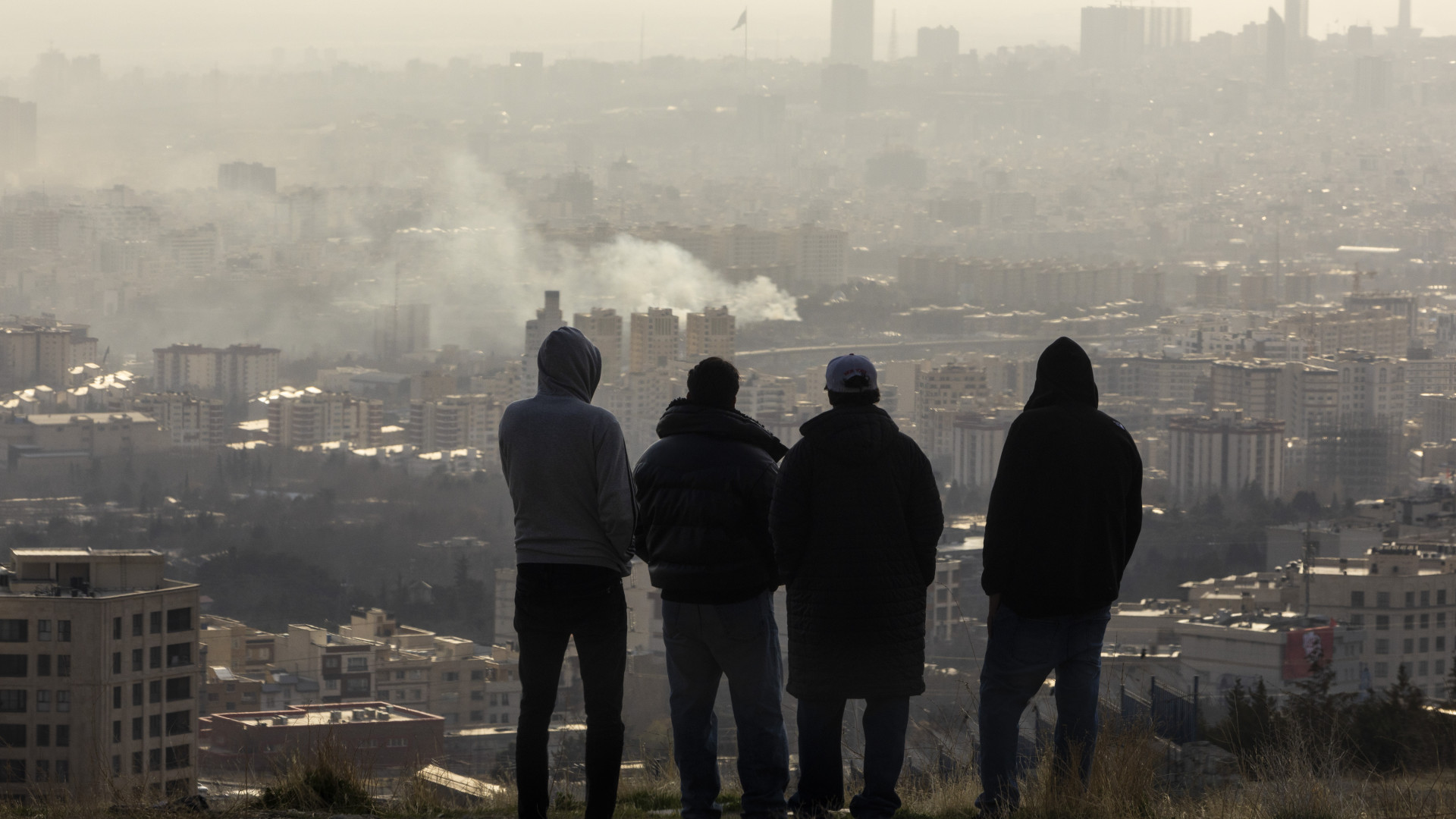
The Middle East is bracing for a protracted conflict following a significant escalation of hostilities between Israel and Iran. What began as a series of targeted strikes has rapidly evolved into a multi-front crisis, drawing in regional actors and raising fears of a wider war. The current situation, unfolding as of Tuesday, March 3, 2026, marks a dangerous turning point, with both sides demonstrating a willingness to engage in direct military confrontation. The conflict’s roots lie in years of simmering tensions, exacerbated by Iran’s nuclear program and its support for regional proxies, as well as Israel’s concerns over its security and its alignment with the United States.
The recent outbreak of open warfare was triggered by a coordinated U.S.-Israeli military operation against Iran, confirmed by U.S. President Donald Trump on Saturday. This operation, described as “major combat operations” by the President, targeted key Iranian infrastructure and reportedly resulted in the deaths of several high-ranking Iranian officials, including, according to reports, Supreme Leader Ali Khamenei. The strikes, carried out by air and sea, represent the most extensive and sweeping intervention of Trump’s second term. Iran responded swiftly and forcefully, launching ballistic missiles and drone attacks against multiple countries in the region, including attacks on a British base in Cyprus and the U.S. Embassy in Saudi Arabia. These retaliatory strikes have prompted condemnation from Gulf states, who are now reportedly lobbying Washington for a cessation of hostilities.
Escalation and Regional Repercussions
The situation remains highly volatile. Israeli airstrikes have intensified, focusing on Iranian missile launchers and weapons factories, while Iran continues to threaten further retaliation. Reports indicate that over 800 people have been killed in Iran over the past four days, with casualties mounting on both sides of the conflict. Six American soldiers and a dozen Israeli citizens have as well lost their lives, alongside civilian casualties in oil monarchies throughout the region. The conflict has already begun to impact global markets, with concerns rising over the potential closure of the Strait of Hormuz, a critical waterway for global oil supplies. According to reports, a closure of the strait could trigger a crisis comparable to those seen in previous years, potentially impacting economies across Europe and beyond.
The involvement of Hezbollah, the Lebanese militant group, has further complicated the situation. Israel has not ruled out a ground offensive against Hezbollah, potentially opening a new front in the conflict. The potential for a wider regional war is now a very real concern, with the conflict threatening to destabilize the entire Middle East. The United States has issued warnings of further military action, while Iran continues to signal its resolve to defend its sovereignty. The international community is scrambling to find a diplomatic solution, but the prospects for a quick resolution appear dim.
Trump’s Role and Shifting Dynamics
President Trump’s decision to authorize military action against Iran has been a subject of scrutiny. According to a report in The New York Times, Trump’s embrace of military action was spurred by an Israeli leader determined to complete diplomatic negotiations with Iran. The report also suggests that few of the President’s advisors voiced opposition to the move. This suggests a significant degree of alignment between the U.S. And Israel on the issue of Iran, and a willingness to pursue a more confrontational approach. Trump communicated his decision to the public through his Truth Social account, taking an unconventional approach to managing the crisis.
The current crisis represents a significant shift in the dynamics of the region. For years, the U.S. Has pursued a policy of containment towards Iran, seeking to limit its influence through sanctions and diplomatic pressure. Yet, the recent military action signals a move towards a more assertive strategy, aimed at directly confronting Iran’s military capabilities and its regional ambitions. This shift in policy is likely to have far-reaching consequences, potentially reshaping the geopolitical landscape of the Middle East for years to come.
Impact on Global Energy Markets
The escalating conflict is already having a significant impact on global energy markets. The Strait of Hormuz, through which approximately 20% of the world’s oil supply passes, is a critical chokepoint. Threats to the security of the strait have sent oil prices soaring, raising concerns about a potential global recession. The disruption to oil supplies could have a particularly severe impact on countries that are heavily reliant on imports from the Middle East. The situation is further complicated by the potential for attacks on oil infrastructure in Saudi Arabia and other Gulf states. The possibility of a prolonged conflict could lead to a sustained increase in oil prices, exacerbating inflationary pressures and slowing global economic growth.
International Response and Diplomatic Efforts
The international community has reacted with alarm to the escalating conflict. Numerous countries have called for de-escalation and a return to diplomatic negotiations. However, efforts to mediate a ceasefire have so far been unsuccessful. The United Nations Security Council has held emergency meetings to discuss the situation, but has been unable to reach a consensus on a resolution due to disagreements between the U.S., Russia, and China. Qatar and the United Arab Emirates have condemned Iranian missile counterattacks, signaling a growing sense of urgency among regional powers to find a peaceful resolution.
The European Union has also expressed concern over the conflict, urging all parties to exercise restraint. However, the EU’s ability to influence the situation is limited, given its lack of direct military involvement. The U.S. Remains the key player in the region, and its actions will ultimately determine the course of the conflict. The Biden administration has indicated its willingness to engage in diplomatic talks with Iran, but has also warned that it will not hesitate to use military force to protect its interests and those of its allies.
Key Takeaways
- The conflict between Israel and Iran has escalated rapidly, posing a significant threat to regional stability.
- The U.S. Military intervention, authorized by President Trump, has dramatically altered the dynamics of the conflict.
- The potential closure of the Strait of Hormuz could have severe consequences for global energy markets and the world economy.
- International efforts to mediate a ceasefire have so far been unsuccessful.
- The situation remains highly volatile, with the potential for further escalation.
As of today, March 3, 2026, the situation remains fluid and unpredictable. The immediate focus is on preventing further escalation and protecting civilian populations. The coming days will be critical in determining whether a diplomatic solution can be found, or whether the region is headed for a prolonged and devastating war. The international community must perform together to de-escalate the conflict and create a pathway towards a lasting peace. Further updates are expected from the U.S. Department of Defense and the Israeli Defense Forces in the coming hours.
We encourage readers to share their thoughts and perspectives on this critical issue in the comments section below. Your insights are valuable as we continue to monitor and report on this evolving situation.
Related reading