Rising Tensions and Economic Interests: Examining the Context of Recent U.S. Actions in the Middle East
The recent escalation of conflict in the Middle East, specifically involving a U.S. Attack on Iran, has sparked intense debate and scrutiny. While official narratives often center on concerns regarding Iran’s nuclear program, a growing chorus of analysts and economists suggest a more complex web of geopolitical and economic factors are at play. At the heart of this debate lies the question of control over global oil resources and the potential for a shift away from U.S. Dollar dominance in international trade. The situation unfolded rapidly following what appeared to be promising U.S.-Iran negotiations in Geneva, raising questions about the motivations behind the abrupt shift in policy. The implications of these events extend far beyond the immediate region, potentially reshaping the global economic landscape and triggering further instability.
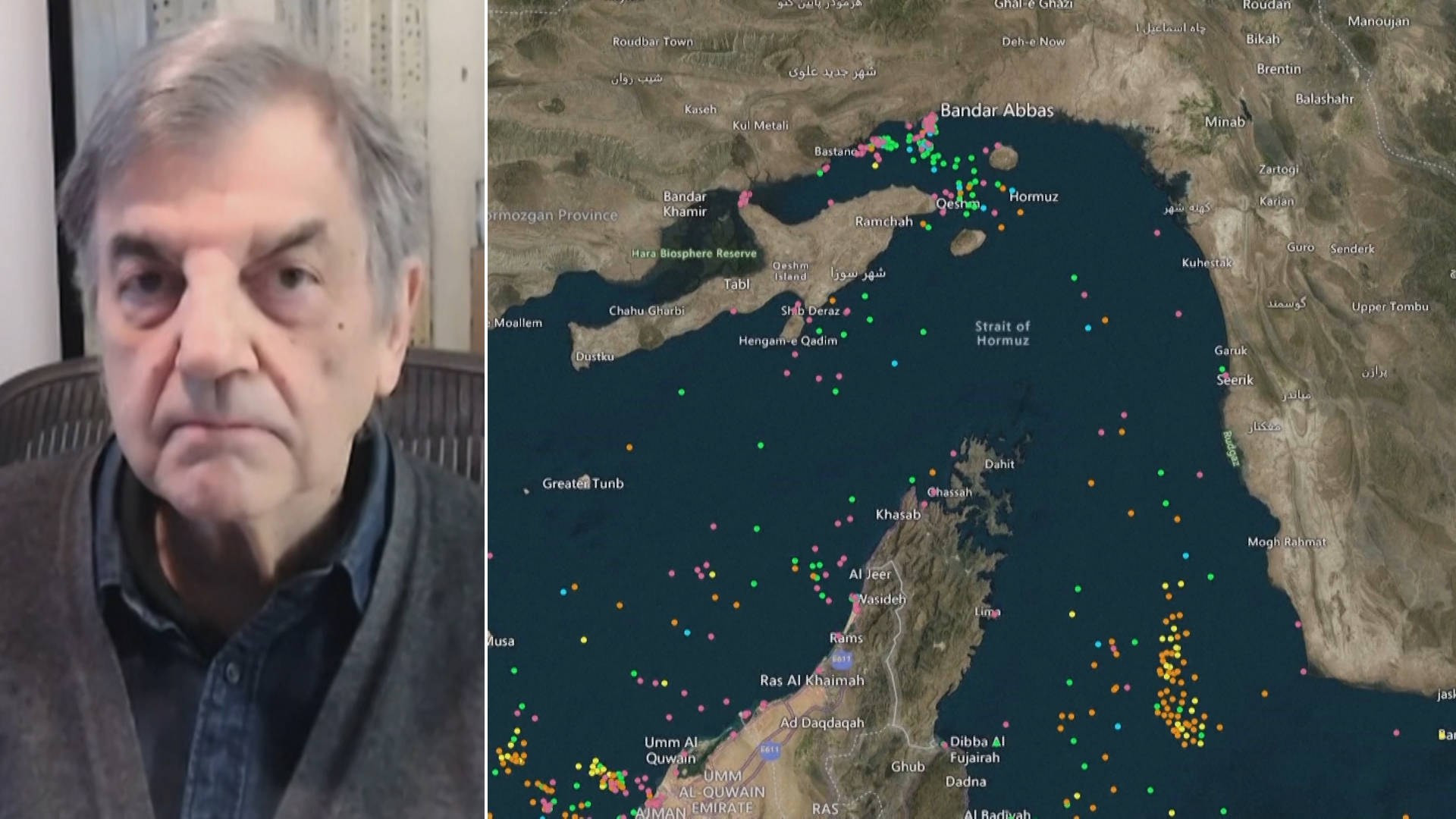
Economist Michael Hudson, president of the Institute for the Study of Long-Term Economic Trends, argues that the attack was not prompted by fears of an Iranian nuclear weapon, but rather by a strategic effort to maintain U.S. Control over the world’s oil supply and prevent the erosion of the dollar’s influence. This perspective challenges conventional wisdom and points to a long-standing U.S. Policy aimed at securing its economic and geopolitical interests in the Middle East. The timing of the attack, occurring shortly after reports of significant progress in negotiations facilitated by Oman, further fuels speculation that the U.S. Actively sought to derail a potential diplomatic resolution. The core of the issue, according to Hudson, is the U.S. Desire to prevent other nations from circumventing the dollar-based financial system in oil transactions.
A History of U.S. Strategy: Controlling the Global Oil Trade
The roots of this strategy, Hudson contends, can be traced back to the 1974 oil crisis, when the Organization of the Petroleum Exporting Countries (OPEC) dramatically increased oil prices. The United States, recognizing the vulnerability created by its dependence on foreign oil, began formulating a plan to control the global oil trade, not necessarily through direct ownership of oil reserves, but through financial dominance. This involved encouraging OPEC nations to recycle their oil revenues back into the U.S. Economy through investments in U.S. Treasury securities, bonds, and stocks, effectively maintaining the dollar’s central role in global finance. As Hudson details in his analysis, this strategy was discussed within the White House as early as 1974, with plans even considered to destabilize Iran if it resisted this financial arrangement.
This historical context is crucial to understanding the current situation. The 1953 U.S.-backed coup that overthrew Iran’s democratically elected Prime Minister Mohammad Mosaddegh, who had nationalized Iran’s oil industry, serves as a stark example of the U.S.’s willingness to intervene to protect its interests in the region. The current conflict, Hudson argues, represents a continuation of this long-standing policy, albeit with new geopolitical complexities. The aim remains the same: to ensure that oil revenues continue to flow back to the United States, bolstering its economic power and maintaining its global influence.
The Role of Oman and the Breakdown of Negotiations
Recent diplomatic efforts, particularly those led by Oman, appeared to offer a potential breakthrough in negotiations with Iran. Oman’s Foreign Minister Badr Albusaidi publicly stated that a “very important breakthrough” had been achieved, suggesting a resolution to concerns about Iran’s nuclear program. According to reports, Albusaidi expressed concerns that President Trump’s envoys, including Jared Kushner, were not accurately conveying the progress of the negotiations to the American public, prompting him to address the issue directly through U.S. Media outlets. This direct communication, though, appears to have been circumvented by the subsequent U.S. Attack on Iran.
Hudson suggests that the progress in negotiations was precisely what prompted the U.S. To act, as Iran was reportedly on the verge of accepting U.S. Demands, including reducing its refined uranium and submitting to increased international oversight. The prospect of a peaceful resolution, one that did not involve maintaining strict U.S. Control over Iran’s oil resources, was deemed unacceptable by those advocating for a more assertive U.S. Foreign policy. This raises serious questions about the sincerity of U.S. Diplomatic efforts and the extent to which they were merely a facade for a pre-planned military intervention.
Beyond Iran: A Broader Strategy of Economic Control
The conflict with Iran is not an isolated incident, but rather part of a broader U.S. Strategy to maintain its economic dominance in a rapidly changing world. The U.S. Has implemented sanctions against other oil-producing nations, including Russia and Venezuela, with the aim of preventing them from selling oil to countries outside of the U.S.-controlled financial system. These sanctions, coupled with the destruction of pipelines like Nord Stream, demonstrate a willingness to disrupt global energy markets to achieve strategic objectives. The goal, according to Hudson, is to force countries to rely on the U.S. Dollar for oil transactions, thereby preserving the dollar’s status as the world’s reserve currency.
A significant portion of Iran’s oil exports, approximately 80 percent, had been going to China. Preventing this trade is a key objective of U.S. Policy, as it represents a challenge to the dollar’s dominance and a potential shift towards a multipolar world. The U.S. Fears that if countries are able to trade oil in currencies other than the dollar, it will erode its economic power and diminish its ability to exert influence on the global stage. This concern is rooted in the understanding that control over the world’s oil trade translates directly into control over the world’s economy.
The Implications for Global Stability and the Future of the Dollar
The escalating tensions in the Middle East and the U.S.’s aggressive pursuit of its economic interests have significant implications for global stability. The potential for a wider conflict in the region is high, with the risk of drawing in other major powers. The U.S.’s actions are likely to accelerate the trend towards de-dollarization, as countries seek to reduce their dependence on the U.S. Dollar and explore alternative financial systems. This could lead to a decline in the dollar’s value and a shift in the global balance of power.
The long-term consequences of these developments are uncertain, but one thing is clear: the U.S.’s pursuit of its economic interests in the Middle East is having a profound impact on the global landscape. The question now is whether the U.S. Will continue down this path of confrontation, or whether it will choose to pursue a more diplomatic and cooperative approach. The future of the global economy and the stability of the Middle East may well depend on the answer.
As of March 4, 2026, the situation remains fluid and further developments are expected in the coming days and weeks. The international community is closely monitoring the situation, and calls for de-escalation and a return to diplomatic negotiations are growing. The United Nations Security Council is scheduled to hold an emergency meeting on March 8, 2026, to discuss the crisis. Further analysis of the situation can be found in interviews with economists like Michael Hudson, who provide valuable insights into the underlying economic and geopolitical factors driving the conflict.
What are your thoughts on the situation? Share your comments below and support us continue the conversation. Please likewise share this article with your network to raise awareness about this critical issue.
- Hong Kong Bookseller Lam Wing-kee Honored in Taipei After Defiant Life Against CCP
- Engineering & Science Jobs at Hitachi Energy in Bland, USA
- Anthropic Reveals AI Models Accidentally Cyberattacked Three Organizations (world-today-news.com)
- Audi Reveals Massive New Q9 Flagship SUV Built in Bratislava (newsdirectory3.com)