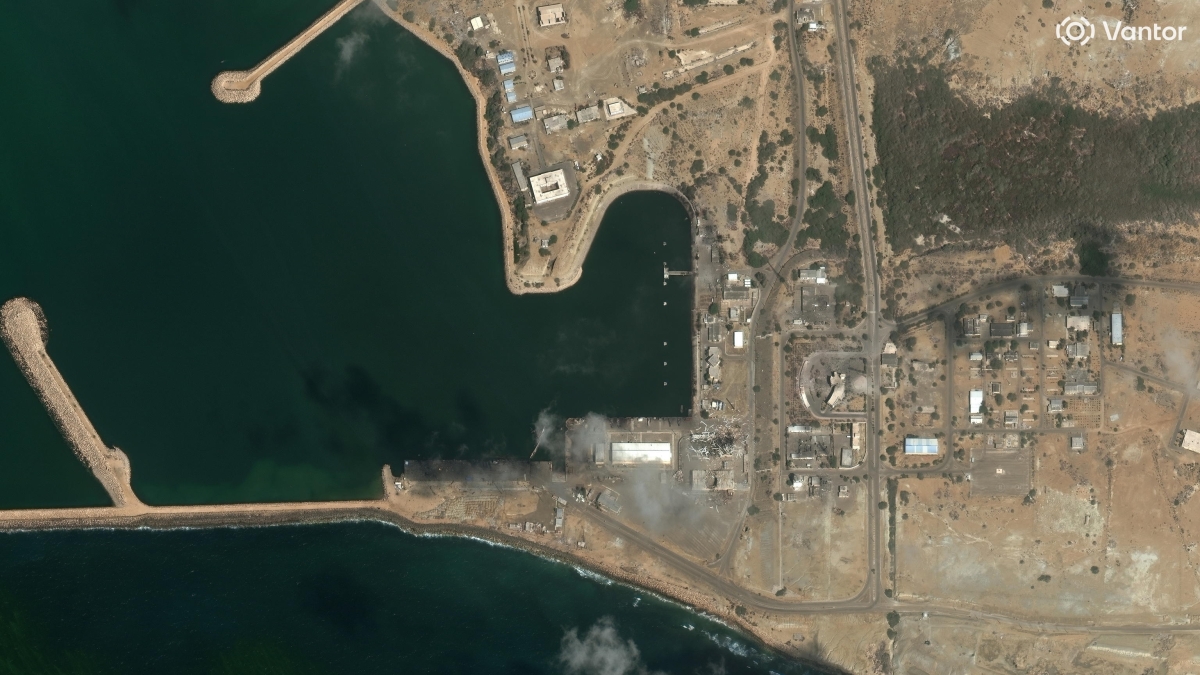
Escalating Tensions in the Middle East: Strikes, Blackouts and Diplomatic Silence
The situation in the Middle East continues to deteriorate rapidly, with recent days marked by direct strikes between Israel and Iran, a complete power outage in Iraq, and reports of intercepted missiles over Turkey. These events are unfolding against a backdrop of heightened regional instability and limited direct communication between key players, particularly between Washington and Tehran. Gulf countries are preparing for emergency talks as Iran presses forward with its actions, raising concerns about a wider conflict. The current crisis demands careful analysis and a commitment to accurate reporting as the region navigates a precarious path.
The recent escalation began with strikes attributed to Israel targeting Iranian soil, followed by retaliatory actions from Iran. These exchanges have triggered a cascade of events, including clashes with Hezbollah and a significant disruption to Iraq’s power grid. The United States has reportedly conducted strikes within Iran as well, further complicating the already volatile situation. Amidst this turmoil, reports suggest a breakdown in communication channels, with the United States allegedly ignoring direct messages from Iranian officials seeking potential de-escalation pathways. This lack of dialogue is fueling anxieties about miscalculation and unintended consequences.
Recent Strikes and Regional Reactions
On March 2nd, 2026, reports emerged of a widening conflict following strikes by Israel and the United States against targets in Iran. Euronews reported that these actions have prompted Gulf countries to convene an emergency meeting on Sunday evening to discuss a unified response to Iran’s attacks. The meeting underscores the growing regional concern and the need for a coordinated approach to prevent further escalation. The strikes have also led to clashes with Hezbollah, adding another layer of complexity to the conflict.
Turkey has also been impacted by the escalating tensions. Reports indicate that Turkish defenses, part of the NATO alliance, intercepted a missile launched from Iran. This incident highlights the potential for the conflict to spill over into neighboring countries and the importance of robust defense systems in the region. The interception serves as a stark reminder of the immediate dangers posed by the ongoing hostilities.
Communication Breakdown and Diplomatic Efforts
A significant aspect of the current crisis is the apparent lack of direct communication between the United States and Iran. According to sources, Iranian officials have attempted to send messages to the Biden administration, potentially to discuss a ceasefire, utilizing intermediaries such as Gulf countries and other regional actors. However, these messages have reportedly been dismissed by the United States. A U.S. Official is quoted as stating that these messages were “treated as bullshit,” indicating a firm stance against engaging in direct negotiations with Tehran at this time.
This stance contrasts sharply with the level of communication maintained between U.S. Officials and their Israeli counterparts. The same source indicates that U.S. Special Envoy Steve Witkoff and Jared Kushner, a senior advisor to President Biden, are in near-daily contact with Israeli Prime Minister Netanyahu, Mossad Director David Barnea, and other Israeli officials. This disparity in communication raises questions about the U.S. Strategy and its commitment to de-escalation through dialogue. The focus on maintaining close ties with Israel while simultaneously dismissing overtures from Iran suggests a prioritization of Israeli security concerns.
Iraq’s Power Outage and Humanitarian Concerns
The conflict has had immediate and severe consequences for Iraq, with the country experiencing a complete power outage. While the exact cause of the outage remains under investigation, it is widely believed to be linked to the regional instability and potential targeting of energy infrastructure. The United States has reportedly advised its citizens to depart the country, signaling a heightened level of risk and a deteriorating security situation. This advice underscores the potential for further disruptions and the need for international assistance to address the humanitarian consequences of the conflict.
A nationwide blackout in Iraq presents significant challenges for the civilian population, impacting essential services such as hospitals, water treatment facilities, and communication networks. The lack of electricity exacerbates existing vulnerabilities and could lead to a public health crisis. International organizations are likely to face increased demands for aid and assistance as Iraq grapples with the fallout from the escalating conflict.
The Role of Gulf States and Potential for Wider Conflict
The convening of an emergency meeting by Gulf countries demonstrates the region’s deep concern over the escalating tensions. These nations, including Saudi Arabia, the United Arab Emirates, and Qatar, are strategically positioned and have significant economic and political interests at stake. A unified response from the Gulf states could play a crucial role in de-escalating the conflict and preventing a wider regional war. The outcome of this meeting will be closely watched by international observers.
The potential for the conflict to expand beyond Iran, Israel, and Iraq is a major concern. The involvement of Hezbollah, the interception of a missile over Turkey, and the broader regional dynamics all contribute to the risk of a wider conflagration. The United States’ apparent reluctance to engage in direct dialogue with Iran further complicates the situation and increases the likelihood of miscalculation. A proactive diplomatic effort, involving all key stakeholders, is urgently needed to prevent a catastrophic escalation.
Key Takeaways
- The Middle East is experiencing a significant escalation of conflict, with direct strikes between Israel and Iran.
- Communication channels between the United States and Iran are reportedly broken down, hindering potential de-escalation efforts.
- Iraq is facing a complete power outage, exacerbating humanitarian concerns and prompting a U.S. Advisory for citizens to leave the country.
- Gulf states are convening an emergency meeting to discuss a unified response to Iran’s actions.
The situation remains highly fluid and unpredictable. The next critical development will be the outcome of the Gulf states’ emergency meeting and any subsequent diplomatic initiatives. World Today Journal will continue to monitor the situation closely and provide updates as they become available. We encourage readers to share their perspectives and engage in constructive dialogue in the comments section below.
Related reading