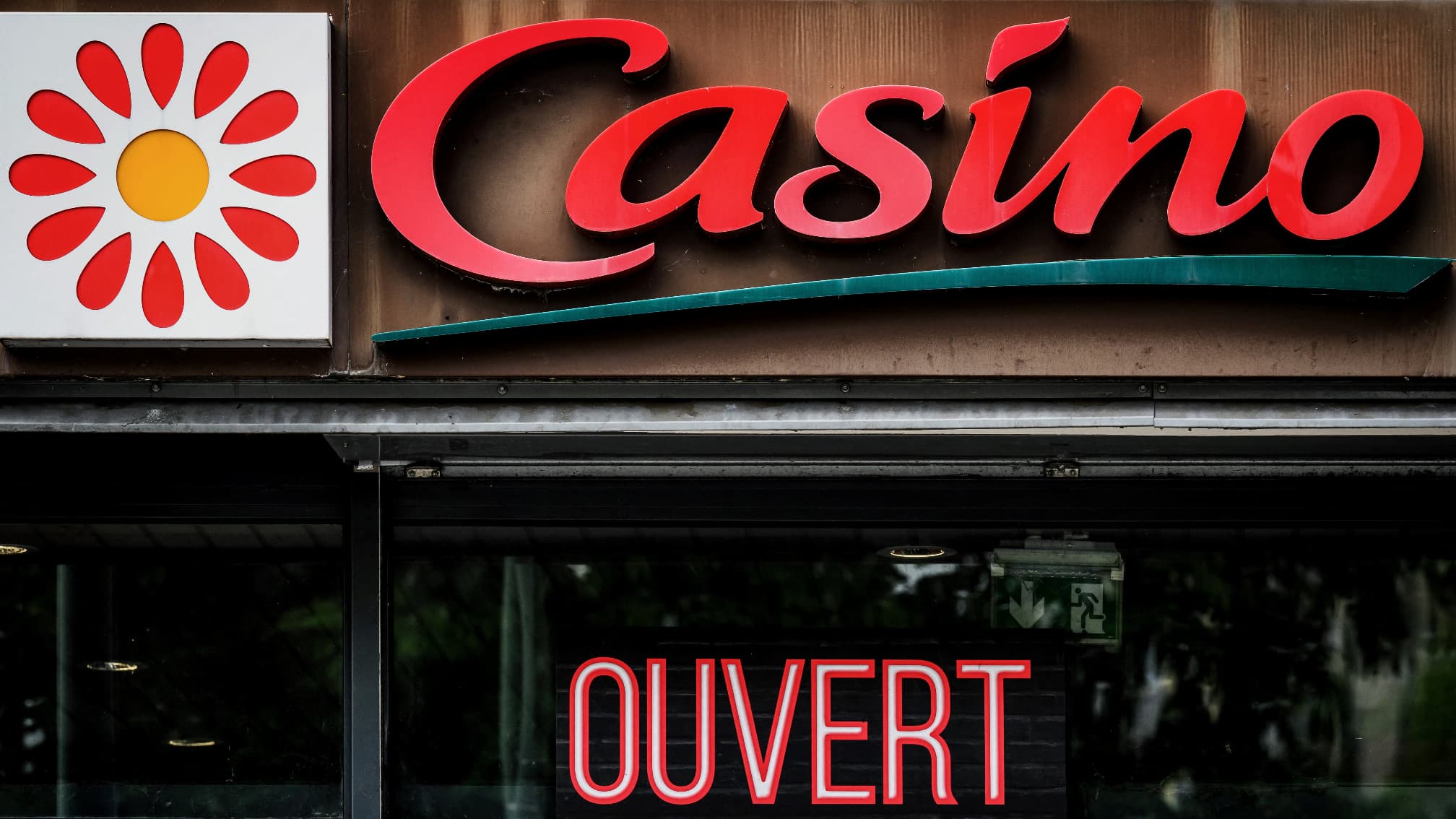
Casino’s Debt Restructuring Hangs in the Balance as Creditors and Kretinsky Clash
The future of French retailer Casino remains uncertain as negotiations with creditors over a substantial debt restructuring continue to stall. The company, controlled by Czech billionaire Daniel Kretinsky, is attempting to navigate a complex financial landscape, seeking to alleviate a debt burden of approximately €1.4 billion. While Kretinsky has offered increased financial commitments, disagreements over the equity stake creditors will receive in exchange are proving to be a significant obstacle. The situation underscores the fragility of Casino’s recovery plan and raises questions about the long-term viability of the supermarket chain.
Three months of negotiations between Kretinsky and Casino’s creditors have yet to yield a definitive agreement. The retailer is expected to present revised proposals this Thursday evening, outlining the latest positions from all parties involved in the debt reduction effort. However, sources close to the discussions suggest a breakthrough is unlikely in the immediate future. The core of the dispute centers on the capital structure of the company following the restructuring, specifically the balance between Kretinsky’s ownership and the equity stake granted to creditors. This ongoing impasse casts a shadow over Casino’s “Renouveau 2030” plan, designed to revitalize the business and secure its financial future.
Kretinsky’s Revised Offer and Creditor Concerns
Daniel Kretinsky has reportedly increased his offer to inject fresh capital into Casino, now proposing €400 million, a €100 million increase from a previous offer, as reported by BFMTV. Simultaneously, Kretinsky is requesting that creditors convert €500 million of their debt into equity, a reduction of €100 million from a previously discussed figure. This apparent concession has been met with resistance, with some sources describing the offer as “indecent” and insufficient, suggesting a lack of transparency in the valuation. The concern revolves around ensuring a fair exchange for the debt being written off, with creditors seeking a more substantial equity stake to reflect their risk and contribution to the company’s turnaround.
The central sticking point remains the equity distribution. As one insider explained, “The question is how much Kretinsky puts in, how much that gives him in terms of shares and how much it gives to the creditors.” This highlights the delicate balancing act required to satisfy both the controlling shareholder and the lenders. Some reports suggest creditors are considering a range of ownership percentages, with a significant difference between maintaining Kretinsky’s current majority stake (around 68%) versus reducing it to 50%. The negotiations are not simply about the amount of money exchanged, but about control and future decision-making power within the company.
Bank Support and Political Considerations
Despite the friction with some creditors, Kretinsky appears to retain the support of French banks, including BNP Paribas, according to BFMTV. This backing is crucial, providing a degree of stability during the restructuring process. Kretinsky reportedly enjoys a positive relationship with the French government, specifically with Bercy (the French Ministry of Economy and Finance), which could prove beneficial in navigating the complex regulatory landscape and securing necessary approvals. This political alignment adds another layer to the negotiations, potentially influencing the outcome and providing a degree of leverage for Kretinsky.
The situation is further complicated by the fact that Casino’s existing debt of €1.4 billion includes a loan maturing in March 2027. According to BFMTV, Casino aims to erase two-thirds of this loan, reducing it to approximately €500 million, and extend the repayment deadline to 2030. The rising interest rates on this debt, which have climbed to 9% this year, are adding to the urgency of the restructuring. The current market value of the debt is approximately €840 million, reflecting a 40% discount, but creditors are seeking to maximize their returns through a more favorable equity conversion.
The Broader Implications for Casino
Casino’s struggles are not new. The company underwent a previous debt restructuring just two years ago, in 2024, which involved erasing nearly €5 billion of debt through a €1.2 billion capital injection. However, despite this initial rescue, Casino has continued to grapple with insufficient cash flow and a substantial debt burden. The current restructuring is therefore critical to the company’s long-term survival. The retailer’s ability to successfully navigate these negotiations will determine its capacity to invest in modernization, compete effectively in the evolving retail landscape, and deliver value to its stakeholders.
The outcome of these negotiations will also have broader implications for the French retail sector. Casino is a significant player in the market, and its failure could trigger a ripple effect, impacting suppliers, employees, and consumers. The situation highlights the challenges faced by traditional retailers in adapting to changing consumer preferences, the rise of e-commerce, and the increasing pressure from discount retailers. The restructuring process is therefore being closely watched by industry observers, who see it as a test case for the resilience of the French supermarket sector.
What’s at Stake for Creditors?
For the creditors involved, the stakes are high. They face the prospect of significant losses if Casino were to fail. Accepting a reduced debt value and converting it into equity represents a gamble, but it also offers the potential for future gains if the company successfully turns around. However, creditors are understandably wary of relinquishing control to Kretinsky without securing a sufficient equity stake. They are seeking assurances that their investment will be protected and that they will have a voice in the company’s future direction. Some creditors may even be considering alternative options, including taking control of the company themselves, even though this is considered a less likely scenario at this stage.
The disagreement over valuation is particularly contentious. Creditors argue that Kretinsky’s offer undervalues their debt and does not adequately compensate them for the risk they are taking. They contend that his financial contribution should not be weighted more heavily than their existing claims. This dispute underscores the fundamental tension between the controlling shareholder and the lenders, each with their own priorities, and objectives. Resolving this valuation gap is essential to reaching a mutually acceptable agreement.
Looking Ahead: Timeline and Next Steps
Casino’s management team is hoping to finalize the debt restructuring agreement by the end of June 2026. Once an agreement is reached, it will be submitted to the Commercial Court of Paris for validation. This process could take several weeks or months, depending on the complexity of the agreement and any potential challenges from dissenting creditors. The timeline is tight, and any further delays could jeopardize the company’s financial stability.
The next few weeks will be critical in determining the fate of Casino. The company’s management team will demand to engage in intensive negotiations with creditors, address their concerns, and find a compromise that satisfies all parties involved. The support of the French banks and the government will be crucial in navigating this challenging period. The outcome of these negotiations will not only determine the future of Casino but also send a signal to the broader retail sector about the challenges and opportunities facing traditional retailers in the 21st century.
Key Takeaways:
- Casino is facing a critical debt restructuring, with €1.4 billion in debt needing resolution.
- Daniel Kretinsky has increased his offer to inject €400 million into the company.
- Disagreements over the equity stake for creditors are the primary obstacle to a deal.
- The support of French banks and the government is seen as crucial for Casino’s turnaround.
- A final agreement is targeted by the end of June 2026, pending court validation.
The situation at Casino remains fluid, and further developments are expected in the coming days and weeks. We will continue to monitor the negotiations and provide updates as they become available. Share your thoughts on Casino’s future in the comments below.