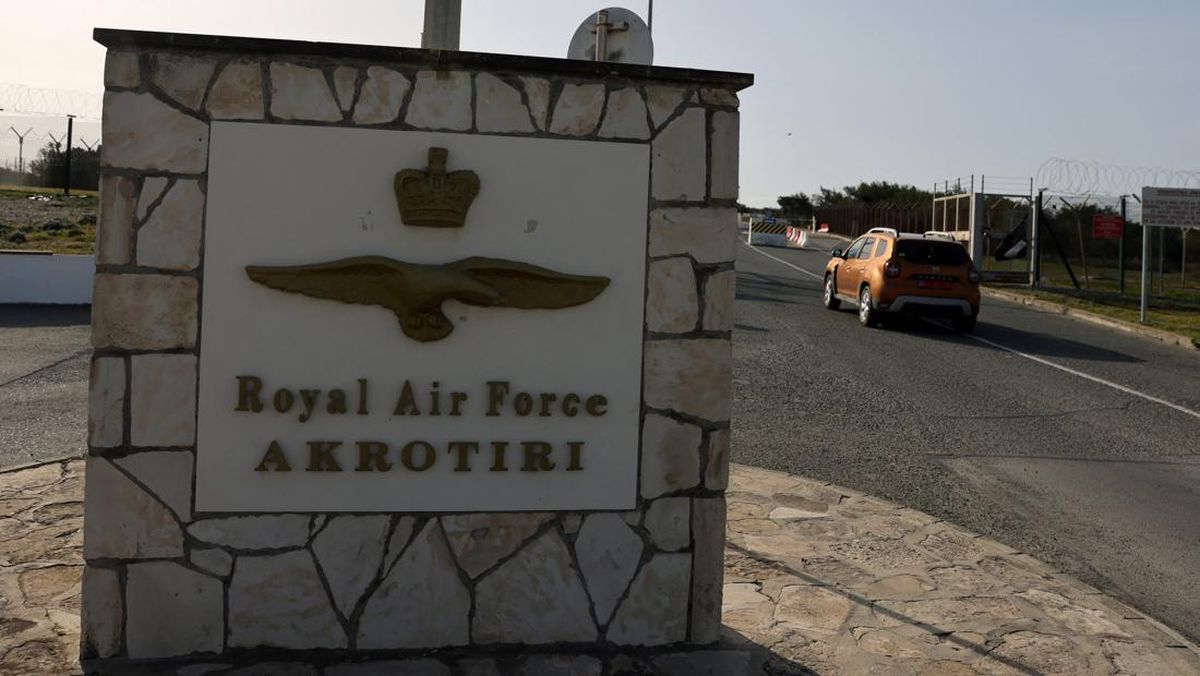
Akrotiri, Cyprus – The United Kingdom’s Ministry of Defence (MoD) has confirmed that drones targeting Royal Air Force (RAF) Akrotiri in Cyprus on March 2nd were not launched from Iran, a development that comes amid heightened tensions in the Middle East. The incident prompted a swift response from the UK, with the deployment of additional air defence systems and preparations for further reinforcement of the base. While the origin of the drones remains unconfirmed, the MoD has stated This proves not Iran, raising questions about potential alternative sources and the evolving security landscape in the region.
The RAF Akrotiri base, a strategically important facility for the UK, has been a key location for operations in the Middle East, including previous deployments related to conflicts in Iraq, Syria, and Yemen. Its location on the island of Cyprus, a former British colony, allows for rapid response capabilities and logistical support. The base also houses families of British personnel stationed there, adding a layer of complexity to security concerns. The recent drone attack underscores the increasing vulnerability of military installations in the region and the challenges of attributing responsibility in a volatile geopolitical climate.
Drone Attack and Initial Response
The drone attack occurred on the night of March 2nd, prompting an immediate response from the RAF. According to the MoD, Typhoon and F-35B fighter jets were scrambled to conduct defensive operations throughout the night, supported by Voyager air-to-air refueling aircraft. The MoD stated these operations were aimed at safeguarding British and allied interests in the region. The initial assessment confirmed the drones resembled Shahed-type models, though the precise origin remains under investigation.
Following the attack, the UK swiftly moved to bolster air defences at RAF Akrotiri. Within 24 hours, the MoD announced the replenishment of air defence systems, including British-made air defence missiles. The deployment of Wildcat naval helicopters, equipped with Martlet missiles capable of countering aerial threats, is scheduled for the coming days. This rapid reinforcement demonstrates the UK’s commitment to protecting its assets and personnel in the face of escalating regional instability. A statement from the MoD, posted on X (formerly Twitter) on March 4th, detailed these measures. [Gambas:Twitter]
Shifting Focus: Ruling Out Iranian Involvement
The MoD’s explicit statement ruling out Iran as the source of the drones marks a significant development in the unfolding situation. Initial speculation, fueled by regional tensions and previous accusations, had pointed towards potential Iranian involvement. However, the MoD’s clarification, while not identifying the actual perpetrator, effectively shifts the focus of the investigation. This development was reported by multiple news outlets, including Kompas.com and Voi.id. The lack of further detail regarding the origin of the drones has prompted further scrutiny and speculation.
The decision to publicly address and dismiss Iranian involvement could be a strategic move by the UK government. It may be intended to de-escalate tensions with Iran, avoid further inflaming the situation, or to signal a desire for a more nuanced approach to regional security challenges. However, the lack of transparency regarding the actual source of the drones raises questions about potential motivations and the broader geopolitical context.
Strategic Importance of RAF Akrotiri and Regional Context
RAF Akrotiri holds significant strategic value for the UK and its allies. Established in 1960 following Cyprus’s independence from British rule, it remains one of two Sovereign Base Areas retained by the UK on the island. These bases provide a crucial logistical and operational hub for military activities in the Eastern Mediterranean and the wider Middle East. The base has been instrumental in supporting operations against ISIS in Iraq and Syria, as well as providing a staging ground for humanitarian aid and disaster relief efforts.
The recent drone attack occurs against a backdrop of escalating tensions in the Middle East. The ongoing conflict in Gaza, coupled with regional proxy conflicts involving Iran and its allies, has created a highly volatile security environment. The UK has maintained a cautious stance on direct involvement in the conflict, but has allowed the United States and Israel access to its facilities in Cyprus. This policy has potentially made RAF Akrotiri a target for groups opposed to Western involvement in the region. The incident also follows reports of explosions in Dubai, attributed to successful interceptions by the United Arab Emirates’ air defence systems, highlighting the widespread nature of the threat.
The Shahed Drone and Proliferation Concerns
The identification of the drones used in the attack as Shahed-type models is particularly noteworthy. Shahed drones, manufactured in Iran, have been widely deployed in conflicts across the Middle East, including in Yemen and Ukraine. Their relatively low cost and ease of production have made them a popular weapon among non-state actors and proxy groups. The use of Shahed drones in the attack on RAF Akrotiri raises concerns about the proliferation of this technology and its potential to destabilize the region further. Tribunnews.com reported on the use of Shahed drones in the attack, though the origin of these specific drones remains unclear.
Looking Ahead: Investigation and Potential Responses
The UK government has launched a full investigation into the drone attack, with a focus on identifying the perpetrators and determining the origin of the drones. The investigation is expected to involve collaboration with Cypriot authorities and potentially other international partners. The findings of the investigation will likely inform the UK’s future security posture in the region and its approach to countering drone threats.
While the MoD has ruled out Iranian involvement, the possibility of other actors being responsible remains open. Potential suspects could include various militant groups operating in the region, or state actors seeking to undermine British interests. The UK is likely to consider a range of responses, depending on the outcome of the investigation, including diplomatic pressure, sanctions, or even military action. The situation remains fluid and requires careful monitoring and assessment.
The UK’s commitment to maintaining a strong military presence in the Eastern Mediterranean and protecting its interests in the region is unwavering. The reinforcement of RAF Akrotiri and the ongoing investigation into the drone attack demonstrate the UK’s resolve to address the evolving security challenges and ensure the safety of its personnel and assets. Further updates on the investigation and any subsequent actions are expected in the coming days and weeks.
What happens next? The UK Ministry of Defence is expected to provide further updates on the investigation into the drone attack in the coming weeks. Continued monitoring of regional developments and collaboration with international partners will be crucial in assessing the evolving security landscape. Readers are encouraged to share their thoughts and perspectives on this developing story in the comments below.