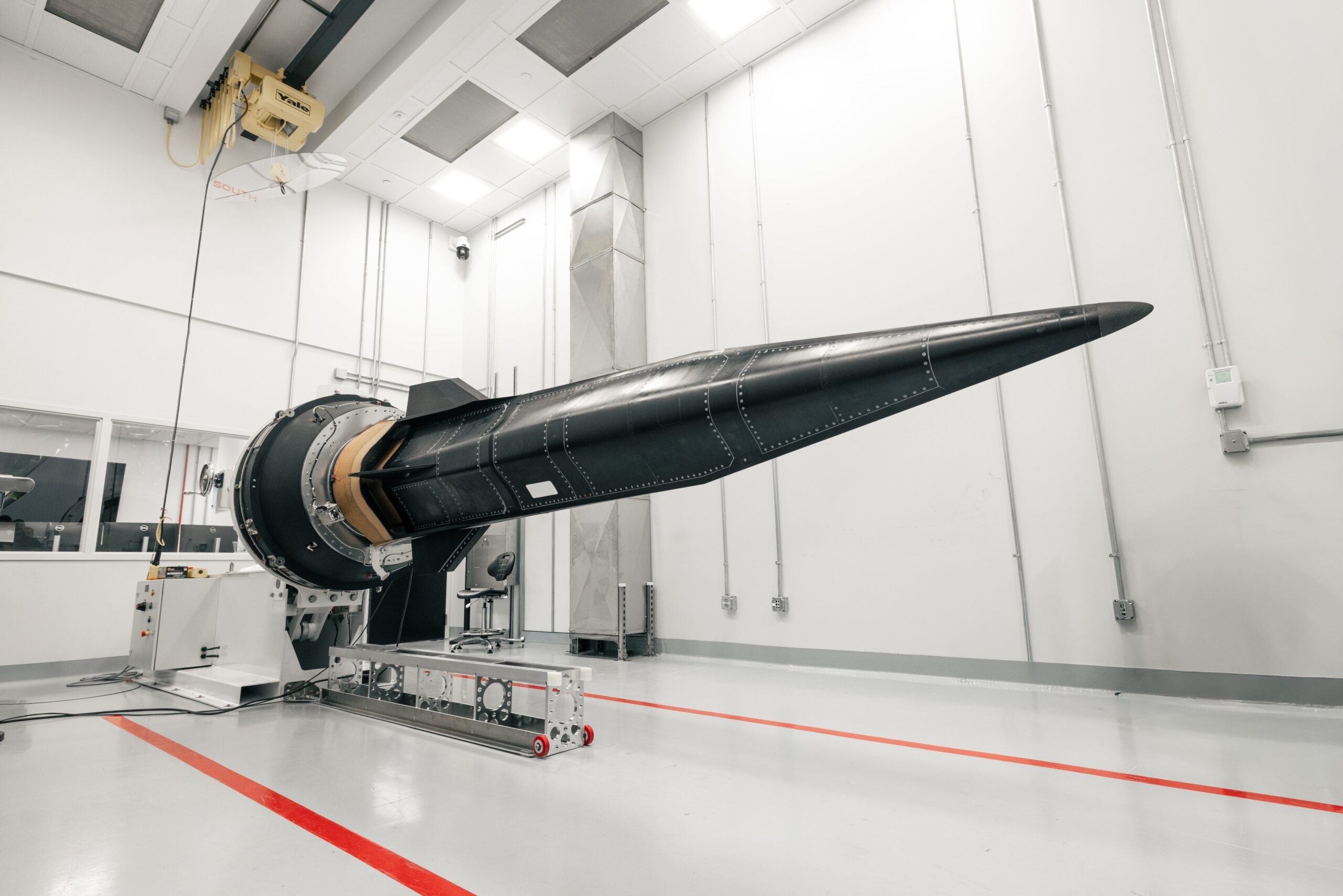
The race to develop and deploy hypersonic weapons continues to accelerate, with Rocket Lab recently achieving another successful test launch for the U.S. Department of Defense. On February 27th, the company’s HASTE suborbital launch vehicle successfully deployed the DART AE hypersonic test vehicle, marking the third such successful mission in recent months and a significant step forward in the Pentagon’s efforts to bolster its capabilities in this critical area. This latest test underscores the growing importance of rapid testing and iteration in the development of advanced defense technologies, particularly as strategic competition intensifies globally.
Rocket Lab’s involvement in hypersonic testing highlights a broader trend of the Department of Defense increasingly turning to commercial space companies for innovative solutions. The company’s ability to provide responsive and cost-effective launch services has made it a valuable partner in the pursuit of cutting-edge technologies. This collaboration is part of a larger strategy to accelerate the development and deployment of new weapons systems, leveraging the agility and expertise of the private sector.
Rocket Lab’s Hypersonic Test Flight: “That’s Not A Knife”
The mission, dubbed “That’s Not A Knife,” lifted off from Launch Complex 2 at Rocket Lab’s Mid-Atlantic Regional Spaceport located on Wallops Island, Virginia, at 7:00 PM EST (00:00 UTC on February 28th). As reported by Fly News, the launch successfully deployed the DART AE (Distinctive Aerothermal Research Testbed AE) hypersonic test vehicle. This vehicle, built by Australian company Hypersonix, is designed to collect crucial data on propulsion, aerothermodynamics, and vehicle control in a hypersonic, suborbital environment. The data gathered will be instrumental in supporting future testing and development efforts by the Department of Defense.
This mission represents the second successful hypersonic test launch for the Defense Innovation Unit (DIU) in just three months, and the seventh overall HASTE launch. The DIU, a Department of Defense organization focused on accelerating the adoption of commercial technology, is spearheading the High-Cadence Advanced Hypersonics Testing (HyCAT) program, of which this launch is a part. HyCAT aims to provide a more frequent and cost-effective means of testing hypersonic technologies, allowing for faster iteration and development cycles.
The High-Cadence Advanced Hypersonics Testing (HyCAT) Program
Established in 2022, the HyCAT program is a direct response to the Pentagon’s increasing focus on developing and deploying hypersonic weapons systems. As outlined in the Department of War’s Artificial Intelligence Strategy released in February 2026, rapid deployment of advanced technologies, including hypersonic weapons, is a key priority. The program leverages Rocket Lab’s HASTE vehicle, a suborbital version of its proven Electron rocket, to provide a dedicated platform for hypersonic testing.
HASTE was initially modified in 2022 to support high-speed test missions, responding to the Pentagon’s growing demand for hypersonic testing capabilities. The first HASTE mission for MACH-TB took place in June 2023, demonstrating the vehicle’s ability to deliver payloads to the necessary altitudes and speeds for hypersonic testing. The program’s success is built on a foundation of frequent launches and data collection, allowing engineers to quickly identify and address challenges in hypersonic vehicle design and operation.
DART AE and Hypersonix’s Role
The DART AE vehicle, developed by Hypersonix, is a crucial component of the HyCAT program. It is designed to operate using a scramjet engine, a type of air-breathing engine capable of propelling a vehicle at hypersonic speeds. The February 27th launch provided a valuable opportunity to gather data on the performance of the scramjet engine in a real-world flight environment. This data will be used to refine the design of future hypersonic vehicles and improve their overall performance.
Hypersonix, an Australian aerospace company, specializes in the development of hypersonic technologies. The DART AE vehicle represents a significant achievement for the company, demonstrating its ability to design and build advanced hypersonic test platforms. The collaboration between Rocket Lab and Hypersonix highlights the growing international cooperation in the development of hypersonic weapons systems.
Broader Implications for U.S. Hypersonic Development
The successful launch of the DART AE is part of a larger effort by the U.S. Department of Defense to accelerate the development and deployment of hypersonic weapons. The U.S. Military has been working on hypersonic weapons programs for several years, including the Air-Launched Rapid Response Weapon (ARRW) and the Long-Range Hypersonic Weapon (LRHW). These weapons are designed to provide the U.S. With a strategic advantage over potential adversaries by offering the ability to strike targets quickly and accurately over long distances.
The development of hypersonic weapons is driven by concerns about the growing capabilities of countries like China and Russia, both of which are actively pursuing their own hypersonic weapons programs. The U.S. Military views hypersonic weapons as a critical component of its future force structure, and is investing heavily in their development and deployment. The HyCAT program, and missions like the recent DART AE launch, are essential to ensuring that the U.S. Maintains a technological edge in this critical area.
The Department of Defense’s commitment to rapid innovation and deployment, as highlighted by Secretary Hegseth’s recent overhaul of the Pentagon’s innovation and acquisition ecosystems, is further fueling this push. The goal is to move away from the traditional “linear” model of defense acquisition and embrace a more agile and iterative approach, allowing for faster development and deployment of new technologies. This shift is particularly important in the rapidly evolving field of hypersonic weapons, where maintaining a technological advantage requires constant innovation.
Looking ahead, the DIU plans to continue conducting frequent hypersonic test launches through the HyCAT program. The next scheduled test is anticipated in the spring of 2026, with a focus on evaluating different hypersonic vehicle designs and propulsion systems. The data collected from these tests will be crucial in informing the development of future hypersonic weapons and ensuring that the U.S. Remains at the forefront of this critical technology. Readers interested in following the progress of the HyCAT program can find updates on the DIU’s website and through official Department of Defense announcements.
What are your thoughts on the rapid development of hypersonic weapons? Share your comments below and let us know how you suppose this technology will shape the future of global security.
Related reading