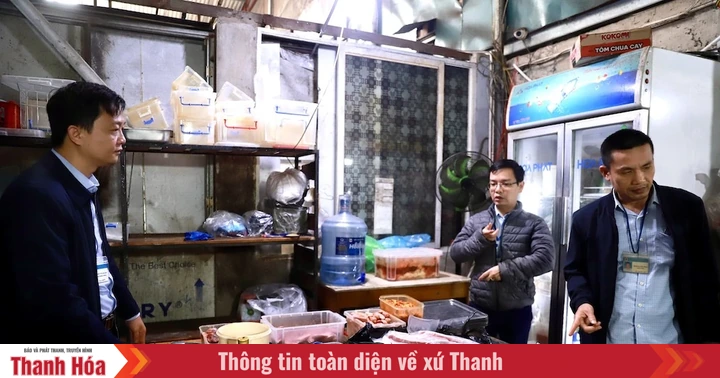
Recent unannounced inspections of food and beverage establishments along Le Loi Boulevard in Thanh Hoa province, Vietnam, have revealed several violations of food safety regulations. Conducted by the Thanh Hoa Department of Food Safety and Hygiene, the inspections targeted businesses near Hoi An Park in Hac Thanh Ward, responding to reported infractions. The initiative underscores a growing commitment to public health and consumer protection within the region, but likewise highlights ongoing challenges in maintaining consistent standards across the food service industry.
These surprise checks, carried out on March 5, 2026, focused on verifying compliance with a range of critical safety protocols. Inspectors examined legal documentation, food safety knowledge certifications for staff, the sourcing and storage of ingredients, hygiene practices and proper waste disposal. The results, while preliminary, indicate a require for improved oversight and adherence to established guidelines among some businesses. Ensuring food safety is paramount, not only for the health of local residents and tourists but also for maintaining the reputation of Thanh Hoa’s vibrant culinary scene.
Focus on Compliance and Key Findings
The inspection team, led by Nguyen Huu Ha, Deputy Head of the Sub-Department of Food Safety and Hygiene, collaborated with representatives from the Hac Thanh Ward People’s Committee and local police during the operation. The team inspected three establishments following complaints received by authorities. The core of the investigation centered on ensuring businesses met the stringent requirements outlined in Vietnamese food safety regulations. These regulations cover a broad spectrum of areas, from proper documentation and staff training to the physical conditions of food preparation and storage areas.
Several key deficiencies were identified during the on-site inspections. Notably, some establishments were unable to produce valid food safety certificates. This lack of documentation raises concerns about the level of training and oversight in place. Inspectors found instances where staff had not undergone routine health checks, a crucial component of preventing the spread of foodborne illnesses. The absence of required food safety training for personnel was also a recurring issue, suggesting a gap in knowledge and best practices within the sector. These findings underscore the importance of continuous education and enforcement to ensure a safe food supply.
Specific Violations at Local Restaurants
The inspections revealed specific issues at individual establishments. At Hot Pot & Grill 89, inspectors noted improper food storage practices, potentially leading to spoilage and contamination. At Self-Cultivation Grill, a lack of adequate pest control measures was observed, creating a risk of infestation and the spread of disease. Storage areas for fruits and vegetables were found to be unsanitary, with some produce exhibiting signs of mold and decay, leading to its immediate destruction. These specific examples demonstrate the tangible risks associated with non-compliance and the importance of proactive monitoring.
Beyond storage and pest control, the inspections also revealed issues with traceability. In some cases, businesses were unable to provide documentation – including invoices or receipts – to verify the origin of their ingredients. This lack of transparency makes it difficult to track the source of potential contamination and hinders effective recall efforts if necessary. The team sealed food items for which proper documentation was unavailable, requesting that owners provide the necessary information to authorities. A report detailing the findings is being prepared for further legal action, as appropriate.
The Broader Context of Food Safety in Vietnam
Vietnam has been increasingly focused on strengthening its food safety regulations and enforcement mechanisms in recent years. The country has faced challenges with foodborne illnesses and concerns about the quality of imported and domestically produced food products. In response, the government has implemented stricter regulations, increased inspections, and invested in training programs for food handlers. However, maintaining consistent standards across a diverse and rapidly growing food industry remains a significant undertaking. The recent inspections in Thanh Hoa province are part of a broader national effort to improve food safety and protect public health.
The Ministry of Health plays a central role in overseeing food safety in Vietnam, setting standards and conducting inspections. Local authorities, such as the Thanh Hoa Department of Food Safety and Hygiene, are responsible for implementing these regulations at the provincial and municipal levels. Collaboration between different government agencies, as demonstrated by the involvement of the People’s Committee and local police in the recent inspections, is crucial for effective enforcement. Consumer awareness and reporting of violations also play a vital role in identifying and addressing food safety concerns. The Vietnamese government has also been working to align its food safety standards with international best practices, facilitating trade and ensuring the quality of exported products.
Future Steps and Ongoing Monitoring
Following the initial inspections, the team plans to compile the results, assess the overall level of compliance with food safety laws among establishments along Le Loi Boulevard, and propose solutions to strengthen management and rectify business operations. This includes recommendations for improved training programs, stricter enforcement of regulations, and increased public awareness campaigns. The goal is to create a sustainable system that ensures the safety and quality of food available to consumers.
The authorities will also be evaluating the need for further sanctions in cases where violations warrant administrative penalties. This may involve fines, temporary closures, or other measures designed to deter future non-compliance. The ongoing monitoring of food establishments is essential to prevent recurring issues and maintain a safe food environment. The Thanh Hoa Department of Food Safety and Hygiene has indicated its commitment to conducting regular inspections and responding promptly to consumer complaints.
The recent inspections in Thanh Hoa province serve as a reminder of the importance of vigilance in ensuring food safety. By proactively identifying and addressing violations, authorities can protect public health and maintain the integrity of the food supply. Continued collaboration between government agencies, businesses, and consumers is essential for building a robust and sustainable food safety system in Vietnam.
As the investigation progresses and further reports are compiled, updates will be provided by the Thanh Hoa Department of Food Safety and Hygiene. Consumers are encouraged to report any concerns about food safety to local authorities. We invite readers to share their thoughts and experiences regarding food safety standards in their communities in the comments below.
Related reading