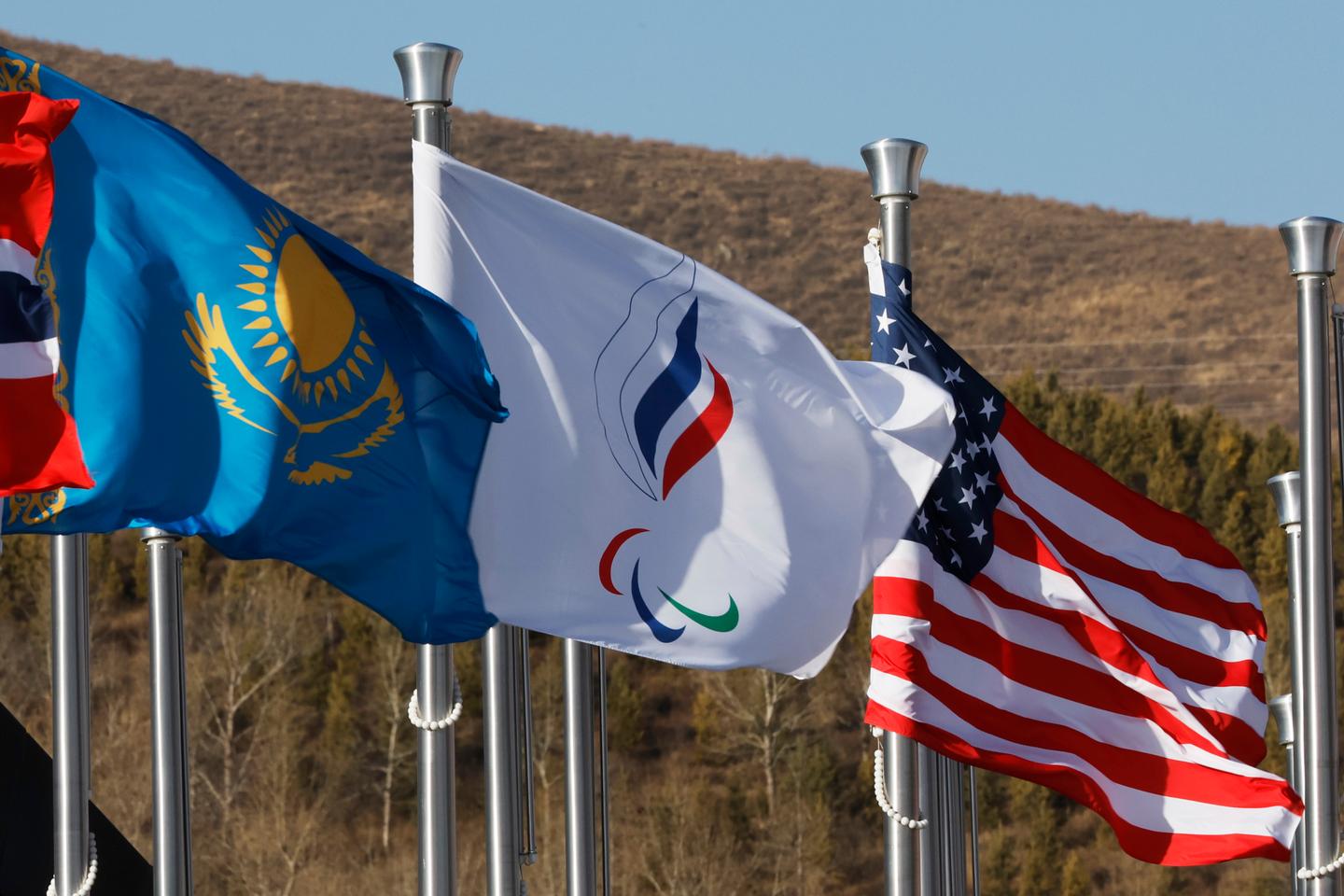
Controversy Surrounds Russian and Belarusian Athletes’ Return to the 2026 Milan-Cortina Paralympics
The upcoming Paralympic Winter Games, scheduled to take place in Milan and Cortina d’Ampezzo, Italy, from March 4th to 15th, 2026, are already facing significant controversy. Despite ongoing geopolitical tensions stemming from the conflict in Ukraine, the International Paralympic Committee (IPC) has decided to allow six Russian and four Belarusian athletes to compete under their national flags. This decision has sparked outrage and prompted a boycott from the Ukrainian delegation, as well as strong protests from several nations and sports officials, including a notable absence of French representation at the opening ceremony. The situation underscores the complex intersection of sport, politics, and international relations, raising hard questions about inclusion, accountability, and the role of athletic competition in a world marked by conflict.
The IPC’s decision marks a reversal of previous sanctions imposed on Russia and Belarus following the full-scale invasion of Ukraine in February 2022. Previously, athletes from both countries were banned from the 2022 Beijing Paralympics. The recent shift comes after the IPC voted in September 2025 to reinstate Russia and Belarus as full members, although qualification periods for the games had already concluded. The IPC ultimately determined that these athletes would participate via bipartite invitation places, a system allowing for direct invitations based on various criteria. This move has ignited a firestorm of criticism, with many arguing that allowing Russian and Belarusian athletes to compete under their national symbols legitimizes the actions of their governments and undermines international efforts to isolate Russia and Belarus.
A Divided Response: Boycotts and Diplomatic Absences
The Ukrainian delegation has taken the strongest stance against the IPC’s decision, announcing a complete boycott of the opening ceremony. This protest is supported by at least eight other nations, demonstrating a unified front against what they perceive as a compromise of principles. Glenn Micallef, the European Commissioner for Sports, has also voiced his opposition, aligning the European Union with those condemning the IPC’s decision. The Ukrainian National Paralympic Committee stated their decision was made in response to the “unacceptable” decision to allow Russian and Belarusian athletes to compete, arguing it jeopardizes the integrity of the Paralympic Games and disregards the suffering caused by the ongoing war.
France has adopted a different, yet equally pointed, form of protest. While the French delegation will participate in the Games, the French government has announced it will not send any official representatives to the opening ceremony in Verona on March 6th. Marie-Amélie Le Fur, President of the French Paralympic and Sports Committee, justified this decision, stating, “Even though we do not share this decision, we have chosen to respect it because it was taken democratically.” This highlights the delicate balance the IPC is attempting to strike – upholding democratic processes while navigating a deeply sensitive geopolitical landscape. The French government’s decision underscores the widespread disapproval of the IPC’s move within the international community.
The IPC’s Rationale and the Bipartite System
The IPC defends its decision as a necessary step towards inclusivity and upholding the Paralympic values of non-discrimination. The organization argues that athletes should not be penalized for the actions of their governments and that a blanket ban would violate the fundamental principles of the Paralympic movement. The use of bipartite invitation places, as outlined by the IPC on February 17th, 2026, allows for a limited number of athletes to participate without going through the standard qualification process. This system, the IPC claims, ensures a degree of control over who is allowed to compete, focusing on individual merit and adherence to anti-doping regulations. However, critics argue that this system is insufficient to address the ethical concerns surrounding the participation of athletes representing nations accused of egregious human rights violations and international aggression.
The six Russian athletes and four Belarusian athletes who have been granted participation are competing across three sports. According to information available from Wikipedia, the Russian delegation includes Aleksei Bugaev, a triple Paralympic champion in ski alpinism, and Varvara Voronchikhina, a double world champion in the same discipline. This highlights the potential loss of athletic talent and competitive spirit should these athletes have been excluded. However, the presence of these athletes, regardless of their individual achievements, remains a source of contention for many.
Historical Context: Bans and Neutral Participation
What we have is not the first time Russian athletes have faced restrictions in international competitions. Following allegations of state-sponsored doping, Russia was banned from the 2018 Pyeongchang Winter Paralympics, with athletes competing under a neutral flag. The 2022 Beijing Paralympics saw a complete ban on Russian and Belarusian athletes following the invasion of Ukraine. The current decision to allow participation under national flags represents a significant shift in policy, raising questions about the consistency and effectiveness of international sporting sanctions. The evolution of these restrictions demonstrates the complex and often contradictory responses of international sporting bodies to geopolitical events.
The debate surrounding the participation of Russian and Belarusian athletes extends beyond the Paralympic Games. Similar controversies have erupted in other sporting events, including the Olympics and various world championships. These situations highlight the broader challenges facing international sports organizations in navigating the intersection of politics and athletics. The IPC’s decision, is not an isolated incident but rather part of a larger pattern of difficult choices and contentious debates within the global sporting community.
Looking Ahead: Continued Protests and the Future of Paralympic Inclusion
The controversy surrounding the 2026 Milan-Cortina Paralympics is unlikely to subside in the coming months. The Ukrainian delegation’s boycott and the diplomatic absence of French officials signal a continued resistance to the IPC’s decision. Further protests and calls for stricter sanctions are anticipated, potentially overshadowing the athletic achievements and inspiring stories that are central to the Paralympic spirit. The situation underscores the need for a more comprehensive and consistent framework for addressing geopolitical issues within international sports, one that balances the principles of inclusivity and non-discrimination with the imperative of holding nations accountable for their actions.
The IPC is expected to continue monitoring the situation closely and engaging in dialogue with stakeholders. The outcome of the Games, and the reactions they elicit, will likely shape the future of Paralympic inclusion and the role of sport in a world grappling with conflict and political division. The next key development will be the opening ceremony on March 6th, where the absence of Ukrainian athletes and French officials will serve as a stark reminder of the deep divisions that continue to plague the international community. Readers interested in following updates on this evolving situation can find more information on the official website of the International Paralympic Committee: https://www.paralympic.org/.
What are your thoughts on the IPC’s decision? Share your opinions and engage in respectful discussion in the comments below.
Worth a look