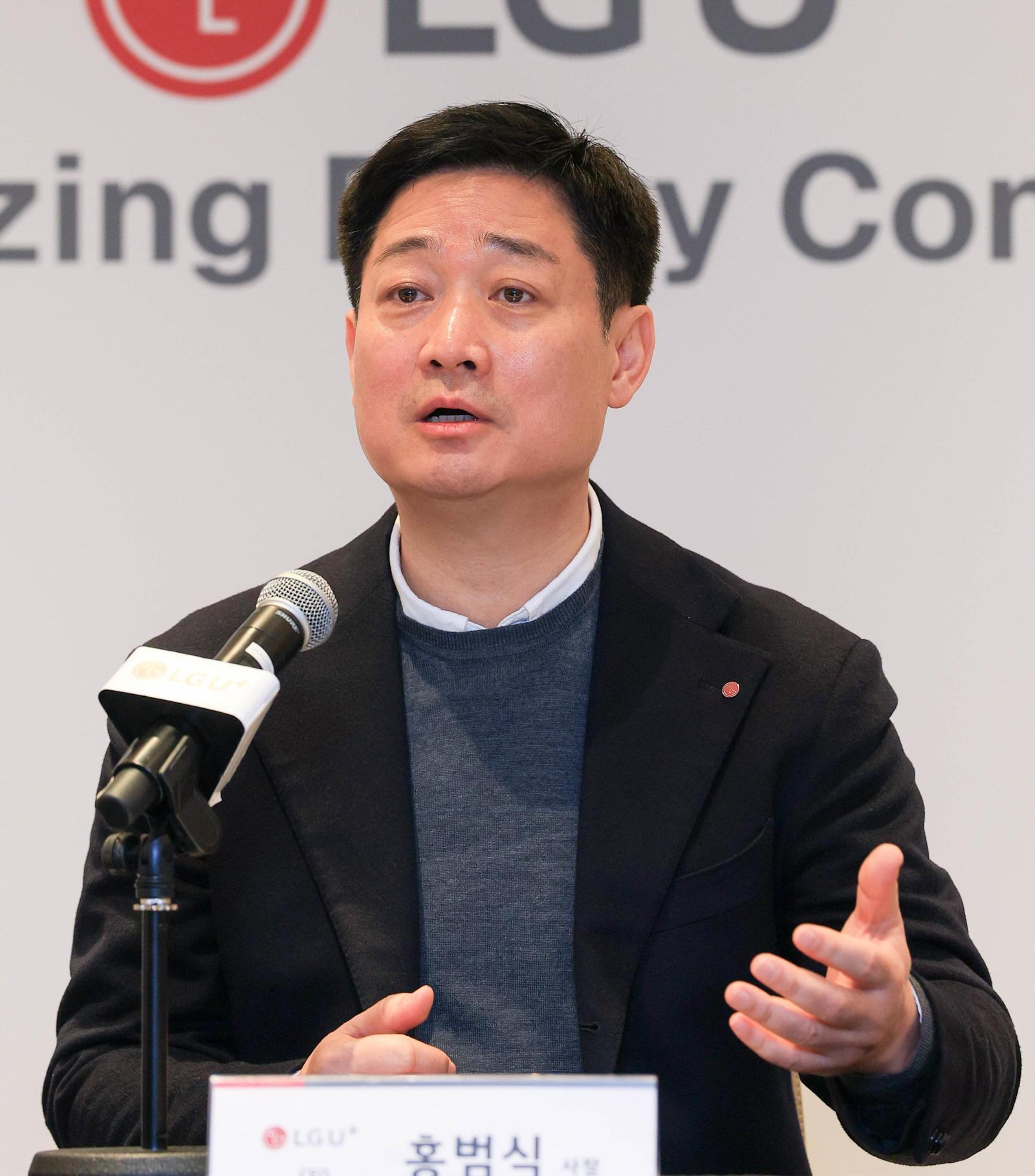
Barcelona, Spain – LG Uplus, a leading South Korean telecommunications company, is undergoing a significant transformation, aiming to become a global artificial intelligence (AI) software enterprise. This strategic shift, unveiled at Mobile World Congress 2026 (MWC26) in Barcelona on March 4th, centers on leveraging the company’s strengths in voice data and AI technology to deliver innovative software solutions to a global market. The cornerstone of this ambitious plan is ‘iXi-O,’ an AI-powered call agent, poised for international expansion.
LG Uplus CEO Hong Bum-sik articulated the company’s vision, stating the goal is to lead the solutionization of communication and AI transformation (AX) technologies as an AI-centric software company. This move represents a departure from the traditional infrastructure-heavy model of telecommunications, focusing instead on developing AI-driven software assets and competing on a global scale. The company believes its vast trove of communication data provides a unique competitive advantage in the rapidly evolving AI landscape.
From Telecom Provider to AI Software Powerhouse
For decades, LG Uplus, like many telecommunications companies, has focused on building and maintaining network infrastructure. However, the company recognizes the limitations of this model in the age of AI. The profit margins in infrastructure are comparatively lower than those achievable through software development and sales. Hong emphasized that the company’s future success hinges on its ability to monetize its data assets and technological expertise through innovative software solutions. This strategic pivot is driven by the need to secure investment resources for large-scale language models (LLMs) and AI data centers – essential components of a future powered by artificial intelligence.
The company’s strategy isn’t simply about adding AI features to existing services; it’s about fundamentally reshaping its business model. LG Uplus intends to package its AI technologies as software, selling them directly to overseas markets and offering them as a platform for other businesses. This business-to-business (B2B) approach is expected to generate higher revenue streams and establish LG Uplus as a key player in the global AI software market. The company is also planning to launch ‘iXi-O Pro,’ an enhanced version of its AI agent, offering more sophisticated features like speaker identification, sentiment analysis, and proactive information delivery.
iXi-O: The Flagship AI Solution
At the heart of LG Uplus’s transformation lies iXi-O, an AI-powered call agent currently serving the business-to-consumer (B2C) market in South Korea. The service automates telephone customer service interactions, offering a more efficient and cost-effective solution for businesses. However, LG Uplus envisions iXi-O as more than just a service; it aims to evolve it into a globally marketable software solution. The company plans to offer iXi-O as a platform, allowing other businesses to integrate its AI capabilities into their own customer service operations.
What sets iXi-O apart, according to Hong, is LG Uplus’s access to approximately 50 million daily call data records. This massive dataset allows the company to refine its voice analysis and generation technologies, creating a more accurate and responsive AI agent. This data advantage is crucial in the development of “agentic AI,” where AI systems can independently perform tasks and interact with users in a more natural and intuitive way. The company believes that as voice interfaces become increasingly essential, its access to this unique data source will provide a significant competitive edge.
Building a Global AI Ecosystem
LG Uplus is actively seeking partnerships with telecommunications companies worldwide to facilitate the global rollout of iXi-O. Discussions are currently underway with 13 companies across various countries, exploring potential collaborations and export opportunities. The company recognizes the importance of building a strong global ecosystem to compete effectively in the AI market. This collaborative approach is also seen as a way to counter the growing influence of large technology companies, often referred to as “Big Tech,” in the AI space.
Hong Bum-sik cautioned that relying solely on Big Tech for AI solutions could lead to a loss of control over valuable data assets. He argued that telecommunications companies possess unique data resources that are essential for developing advanced AI technologies. By collaborating with other telecom operators, LG Uplus aims to create a more balanced and competitive AI landscape, ensuring that the benefits of AI are shared more broadly.
Navigating Regulatory and Infrastructure Challenges
Whereas LG Uplus is optimistic about its global expansion plans, the company acknowledges the challenges ahead. Strict data privacy regulations, such as the General Data Protection Regulation (GDPR) in Europe, and infrastructure limitations in certain Asian markets pose potential obstacles. The company is actively working to address these challenges, ensuring that its solutions comply with local regulations and are adaptable to different infrastructure environments.
Hong expressed confidence that securing successful partnerships with one or two international companies would serve as a catalyst for broader market penetration. The company is focused on demonstrating the value of its AI solutions and building trust with potential partners. The success of these initial collaborations will be crucial in establishing LG Uplus as a leading global AI software provider.
Key Takeaways
- LG Uplus is transitioning from a traditional telecom company to a global AI software enterprise.
- The company’s iXi-O AI call agent is central to its international expansion strategy.
- LG Uplus’s vast voice data resources provide a significant competitive advantage.
- The company is actively seeking partnerships with telecom operators worldwide.
- Navigating regulatory hurdles and infrastructure limitations will be crucial for success.
LG Uplus’s ambitious transformation reflects a broader trend in the telecommunications industry, as companies seek to leverage their data assets and technological expertise to compete in the rapidly evolving AI market. The company’s success will depend on its ability to innovate, build strong partnerships, and navigate the complex regulatory landscape. The company anticipates further developments in its international partnerships within the next quarter, with potential announcements regarding pilot programs and initial deployments of iXi-O in select markets. Readers are encouraged to share their thoughts on LG Uplus’s strategic shift and the future of AI in the telecommunications industry in the comments below.
Worth a look