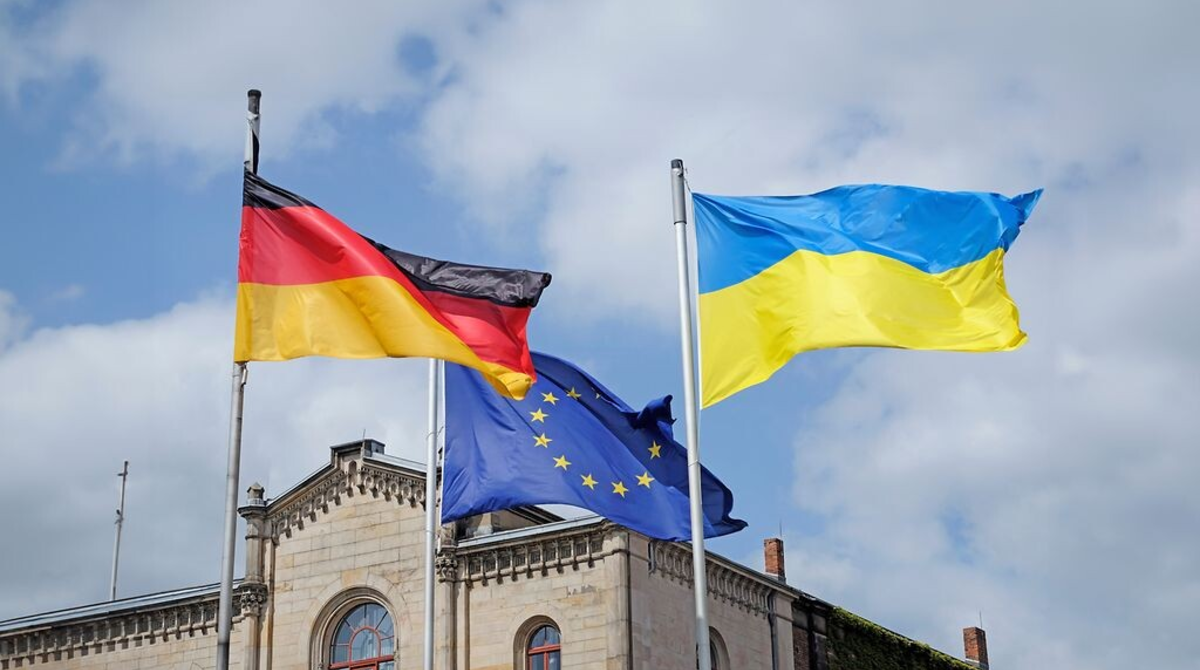
Germany has pledged an additional €200 million in aid to Ukraine, focusing on bolstering the nation’s air defense capabilities and strengthening its civil protection infrastructure. The commitment comes as Ukraine continues to face relentless aerial attacks targeting its critical infrastructure, and underscores Germany’s ongoing support for Kyiv amidst the ongoing conflict with Russia.
German Foreign Minister Annalena Baerbock announced the new aid package, stating that the funds would be specifically allocated to the procurement of reconnaissance drones and the enhancement of Ukraine’s civil defense systems. “The funding is intended to further strengthen the protection of Ukraine against Putin’s bombing,” Baerbock said, as reported by N-TV. “This aid will strengthen Ukraine’s resilience.” The announcement reflects a continued effort by Germany to provide substantial assistance to Ukraine, both financially and militarily, as the war enters its third year.
Germany’s Steadfast Support for Ukraine
This latest pledge builds upon existing aid commitments from Germany, which has turn into one of Ukraine’s largest supporters since the full-scale Russian invasion in February 2022. Germany’s support has encompassed a wide range of assistance, including military equipment, humanitarian aid, and financial assistance. The new €200 million package is specifically designed to address the immediate needs of Ukraine in the face of escalating Russian attacks, particularly those targeting energy infrastructure and civilian areas. The focus on drones is particularly significant, as these unmanned aerial vehicles provide crucial intelligence gathering capabilities and can be used for reconnaissance and damage assessment.
The provision of support for civil defense is also a critical component of the aid package. As Russian attacks continue to target civilian infrastructure, strengthening Ukraine’s ability to protect its population is paramount. This includes providing resources for shelters, emergency services, and disaster relief efforts. The German government recognizes the importance of not only providing military assistance but also ensuring the safety and well-being of Ukrainian civilians.
Broader International Aid Efforts
Germany’s commitment to Ukraine is part of a broader international effort to support the country in its fight against Russian aggression. Other nations, including Denmark and Estonia, have also recently announced additional aid packages. Denmark recently provided a new package of humanitarian assistance to Ukraine, while Estonia pledged an additional €11 million in aid. The European Union has also approved a €100 million energy support package for Ukraine, aimed at helping the country maintain its energy supply during the winter months. These collective efforts demonstrate a united front in support of Ukraine’s sovereignty and territorial integrity.
international allies are collaborating to finance the procurement of weapons for Ukraine through initiatives like the U.S.-led PURL initiative. This collaborative approach highlights the shared commitment to providing Ukraine with the resources it needs to defend itself. The coordinated efforts of various nations underscore the international community’s resolve to stand with Ukraine in the face of ongoing challenges.
The Role of Reconnaissance Drones
The decision to allocate funds for reconnaissance drones is a strategic one, reflecting the evolving nature of the conflict. Drones provide a cost-effective and versatile means of gathering intelligence, monitoring enemy movements, and assessing battle damage. They are particularly valuable in a conflict characterized by intense artillery fire and air strikes. The drones will enable Ukrainian forces to gain a clearer picture of the battlefield, allowing them to develop more informed decisions and respond more effectively to Russian attacks. The specific types of drones to be procured have not been publicly disclosed, but it is likely that they will include a mix of tactical and strategic reconnaissance platforms.
Strengthening Ukraine’s Civil Defense
The allocation of funds to support Ukraine’s civil defense is equally important. As Russian attacks continue to target civilian areas, it is crucial to ensure that Ukrainian citizens have access to adequate shelter and emergency services. This includes providing resources for the construction and maintenance of bomb shelters, as well as training for emergency responders. The German aid package will help Ukraine to strengthen its civil defense infrastructure, improving its ability to protect its population from the devastating effects of the conflict. This support is particularly vital as winter approaches, and the risk of attacks on energy infrastructure increases.
Germany’s Economic and Political Considerations
Germany’s continued support for Ukraine is not without its own economic and political considerations. As a major economic power, Germany has a significant stake in maintaining stability in Europe. The conflict in Ukraine has had a ripple effect on the global economy, disrupting supply chains and driving up energy prices. By supporting Ukraine, Germany is seeking to mitigate these economic risks and promote a more stable and secure Europe. Politically, Germany is committed to upholding the principles of international law and defending the sovereignty of Ukraine. This commitment is reflected in its strong stance against Russian aggression and its willingness to provide substantial assistance to Kyiv.
Recent reports indicate that Germany is also navigating complex discussions regarding potential future security commitments to Ukraine. While a full NATO membership for Ukraine remains a contentious issue, there is growing support within Germany for providing Ukraine with long-term security guarantees. These guarantees could take the form of bilateral agreements or multilateral arrangements, and would aim to deter future Russian aggression. The details of these potential security commitments are still being worked out, but they underscore Germany’s commitment to Ukraine’s long-term security and stability.
The ongoing conflict has also prompted a reassessment of Germany’s own defense capabilities. In the wake of the Russian invasion, Germany announced a significant increase in its defense spending, and has embarked on a program to modernize its armed forces. This includes investing in new military equipment, increasing troop numbers, and strengthening its cyber defenses. The conflict in Ukraine has served as a wake-up call for Germany, highlighting the importance of maintaining a strong and capable military.
Germany’s commitment to Ukraine is a multifaceted one, encompassing military, financial, and humanitarian assistance. The latest €200 million aid package is a testament to Germany’s unwavering support for Ukraine, and its determination to help the country defend itself against Russian aggression. As the conflict continues, Germany is likely to remain a key ally for Ukraine, providing crucial assistance and advocating for a peaceful resolution to the crisis.
Looking ahead, further discussions are expected between German and Ukrainian officials regarding specific needs and priorities for future assistance. The focus will likely remain on strengthening Ukraine’s air defense capabilities, enhancing its civil protection infrastructure, and providing economic support to help the country rebuild. The international community will continue to monitor the situation closely, and will be prepared to provide further assistance as needed.
Key Takeaways:
- Germany has pledged an additional €200 million in aid to Ukraine, focusing on drones and civil defense.
- The aid is intended to bolster Ukraine’s defenses against ongoing Russian attacks on critical infrastructure.
- This commitment is part of a broader international effort to support Ukraine, with contributions from Denmark, Estonia, and the EU.
- Germany is also reassessing its own defense capabilities in light of the conflict.
What are your thoughts on Germany’s continued support for Ukraine? Share your comments below, and please share this article with your network to help spread awareness of the ongoing situation.
Keep reading