Escalating Middle East Tensions Threaten Global Energy Supply, Qatar Warns
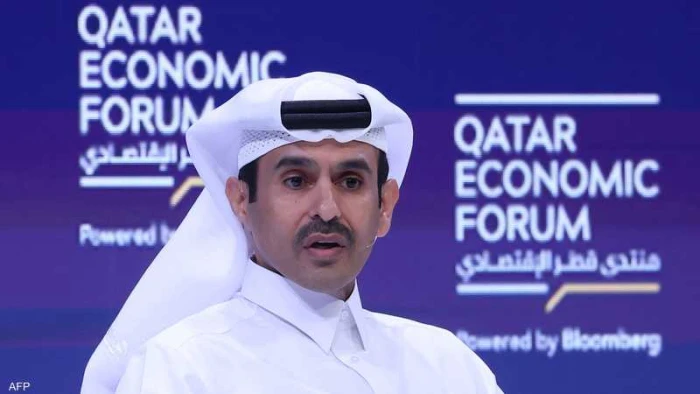
London, United Kingdom – A potential collapse of global economies looms as escalating conflict in the Middle East threatens to halt energy exports from the Gulf region, according to Qatar’s Minister of State for Energy Affairs, Saad al-Kaabi. Warnings issued on Friday, March 6, 2026, suggest oil prices could surge to $150 per barrel within weeks if the current situation persists, triggering a cascade of economic repercussions worldwide. The situation is particularly concerning given the recent targeting of critical energy infrastructure in Qatar, forcing the nation to invoke force majeure on its LNG production.
Al-Kaabi’s stark assessment, initially reported by the Financial Times and subsequently confirmed by multiple sources including Al Jazeera and Almasry Alyoum, paints a grim picture of a rapidly deteriorating energy landscape. The potential disruption extends beyond crude oil, encompassing natural gas supplies crucial for European energy security, particularly as winter recedes but demand remains significant. The minister indicated that all Gulf exporting nations may be forced to suspend production in the coming weeks, a move that would exacerbate existing global energy anxieties and potentially trigger a recession.
Qatar Forced to Halt LNG Production After Alleged Iranian Attack
The immediate catalyst for these warnings is a recent attack on Qatar’s key gas production facilities in Ras Laffan and Mesaieed industrial cities. QatarEnergy declared force majeure earlier this week, citing the attack, which Qatar alleges was carried out by an Iranian drone. This disruption has already sent ripples through the LNG market, and al-Kaabi estimates it will take “weeks to months” for Qatar to restore normal delivery rates, even if hostilities cease immediately. The incident highlights the vulnerability of critical energy infrastructure in the region and the potential for escalation.
The Ras Laffan gas field, a major source of LNG for global markets, was specifically targeted. This attack, coupled with broader regional instability, has prompted serious concerns about the security of energy supplies and the potential for further disruptions. Al-Kaabi warned that Europe would be particularly vulnerable, facing increased competition from Asian buyers for limited LNG supplies and the inability of other Gulf states to meet their contractual obligations.
Economic Fallout Could Be “Catastrophic”
Al-Kaabi’s warnings extend beyond immediate price spikes. He predicts a broader economic shock if the conflict continues for several weeks, impacting global GDP growth and leading to shortages of various products due to disruptions in industrial supply chains. “This has the potential to bring down global economies,” he stated, emphasizing the interconnectedness of the global energy market and its impact on virtually every sector. Al Jazeera reported on these concerns, highlighting the potential for a cascading series of economic failures.
The potential for a complete halt in Gulf energy exports raises the specter of a severe energy crisis, reminiscent of the 1970s oil shocks. The Strait of Hormuz, a critical chokepoint for global oil and gas shipments, is particularly vulnerable. Al-Kaabi predicted that oil prices could jump to $150 per barrel within two to three weeks if passage through the Strait is blocked, impacting approximately 20% of the world’s oil and gas trade. He anticipates natural gas prices could soar to $40 per million British thermal units (equivalent to approximately €117 per megawatt-hour), quadrupling pre-conflict levels.
Force Majeure and the Risk of Contagion
The invocation of force majeure by QatarEnergy signals a significant escalation in the crisis. Force majeure, a clause in contracts that excuses a party from fulfilling its obligations due to extraordinary events beyond its control, is likely to be invoked by other Gulf exporters if the situation deteriorates further. Al-Kaabi believes that those who haven’t already declared force majeure will likely do so in the coming days if the conflict continues. Asharq Al-Awsat reported on this expectation, noting the growing consensus among Gulf producers regarding the inevitability of supply disruptions.
The implications of widespread force majeure declarations are far-reaching. It would create significant uncertainty in the energy market, disrupt long-term supply contracts, and force consumers and businesses to scramble for alternative sources of energy. The resulting price volatility could have a devastating impact on economies already grappling with inflation and slowing growth.
Geopolitical Context and Potential for Further Escalation
The current crisis is rooted in the broader geopolitical tensions in the Middle East, particularly the ongoing conflict and the involvement of regional actors. The alleged Iranian attack on Qatari energy infrastructure adds another layer of complexity to an already volatile situation. While direct attribution remains a sensitive issue, the incident underscores the potential for miscalculation and escalation in the region. The United States has signaled its willingness to take military action to protect oil tankers in the Strait of Hormuz, further raising the stakes.
The situation is being closely monitored by international organizations, including the United Nations, which has warned of potentially devastating consequences for global food security if the crisis continues. The disruption to energy supplies could as well have a ripple effect on other sectors, including transportation, manufacturing, and agriculture.
Key Takeaways
- Qatar’s Minister of State for Energy Affairs, Saad al-Kaabi, has warned of a potential collapse of global economies due to disruptions in Gulf energy exports.
- An alleged Iranian attack on Qatari gas facilities has forced QatarEnergy to invoke force majeure, halting LNG production.
- Oil prices could surge to $150 per barrel within weeks if the conflict continues and the Strait of Hormuz is blocked.
- Other Gulf exporters are likely to declare force majeure, exacerbating the energy crisis.
- The situation highlights the vulnerability of critical energy infrastructure and the need for de-escalation in the Middle East.
The coming weeks will be critical in determining the trajectory of the energy crisis. The next key development to watch is the response of other Gulf states to the escalating tensions and whether they will follow Qatar’s lead in declaring force majeure. Further announcements from QatarEnergy regarding the restoration of LNG production are also expected. Readers can stay informed by monitoring official statements from energy ministries and international organizations. The situation remains fluid and requires careful monitoring as the world braces for potential economic fallout.
What are your thoughts on the potential impact of this crisis? Share your comments below and share this article with your network.
Keep reading