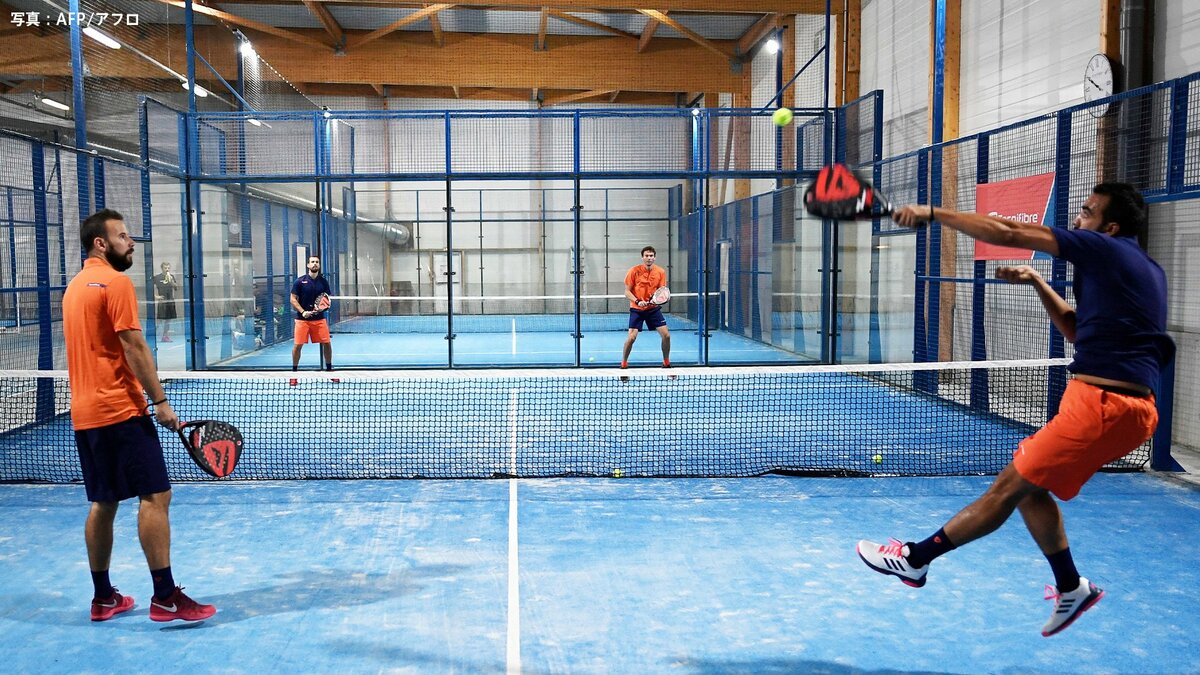
Aichi-Nagoya, Japan – Padel, a racquet sport rapidly gaining international traction, has been officially confirmed as a medal sport at the Aichi-Nagoya 2026 Asian Games. The announcement, made by the International Padel Federation, marks a significant milestone for the sport’s development and recognition in Asia, and globally. This inclusion promises to showcase padel to a vast audience and further solidify its position alongside established racquet sports.
While often compared to tennis, padel distinguishes itself through its unique playing surface – enclosed by walls of glass and metallic mesh – allowing players to utilize the walls as part of the game. This dynamic element, combined with a lower barrier to entry than tennis, has fueled its explosive growth, particularly in Europe, where it now surpasses tennis in terms of the number of courts and players. The International Padel Federation has been instrumental in advocating for the sport’s inclusion in major multi-sport events.
Padel’s Rise to Prominence: A Global Phenomenon
The inclusion of padel in the Asian Games is a testament to its burgeoning popularity worldwide. Originating in Mexico in 1969, the sport quickly spread to Spain and Argentina, becoming a national pastime in both countries. In recent years, padel has experienced exponential growth across Europe, with Spain leading the charge. According to data from the International Padel Federation, the number of padel courts in Europe now significantly exceeds the number of tennis courts. This shift in popularity is attributed to padel’s accessibility, social nature, and relatively easy learning curve.
The sport’s appeal lies in its blend of tennis, squash, and badminton, creating a rapid-paced and engaging experience for players of all skill levels. The enclosed court allows for strategic play, utilizing the walls to extend rallies and create exciting points. Unlike tennis, padel is typically played as doubles, fostering a strong social element and making it an ideal activity for friends and families. The smaller court size also makes it more accessible to players with limited mobility or those new to racquet sports.
Asian Games Debut: A Strategic Move for Padel
The Aichi-Nagoya Asian Games represent a crucial opportunity for padel to establish a strong foothold in the Asian market. The Games, scheduled to take place in 2026, will bring together athletes from 45 countries and regions, providing a platform to showcase the sport to a diverse and engaged audience. Inside The Games reported on the confirmation of padel’s inclusion, highlighting its potential to attract new fans and participants in the region.
The decision to include padel in the Asian Games aligns with the event’s broader objective of promoting diverse and inclusive sports. The Aichi-Nagoya Asian and Asian Para Games Organizing Committee’s announcement on March 6th, 2026, signals a commitment to embracing emerging sports and catering to evolving sporting preferences. The inclusion of padel is expected to generate significant media coverage and attract a new demographic of viewers to the Games.
The Format and Qualification Process
Details regarding the specific format of the padel competition at the Asian Games are still being finalized. However, it is anticipated that the event will feature both men’s and women’s doubles competitions. The qualification process will likely involve a combination of world rankings, regional championships, and continental qualifiers. The International Padel Federation is working closely with the Asian Games organizers to ensure a fair and transparent qualification system.
The exact number of participating teams and athletes is yet to be determined, but organizers are aiming for a competitive field that represents the best padel players from across Asia. The inclusion of padel is expected to inspire more Asian countries to invest in the development of the sport, leading to increased participation and improved performance at future international competitions.
Beyond the Asian Games: Padel’s Future Outlook
The inclusion of padel in the Asian Games is just one step in the sport’s ambitious global expansion plans. The International Padel Federation is actively pursuing opportunities to include padel in other major multi-sport events, including the Olympic Games. The federation believes that padel’s accessibility, social appeal, and dynamic gameplay make it an ideal Olympic sport.
the International Padel Federation is focused on developing padel infrastructure and promoting the sport at the grassroots level. This includes providing training programs for coaches and instructors, supporting the construction of new padel courts, and organizing promotional events to raise awareness of the sport. The federation is also working to standardize padel rules and regulations to ensure a consistent and fair playing experience for all.
Recent developments also include the expansion of the NextGen Padel tour, with new stops added in Portugal and Chile. The International Padel Federation announced these additions, demonstrating a commitment to nurturing young talent and expanding the sport’s global reach.
Key Takeaways
- Padel has been officially added as a medal sport at the 2026 Aichi-Nagoya Asian Games.
- The sport is experiencing rapid growth globally, surpassing tennis in popularity in several European countries.
- The Asian Games inclusion provides a significant platform for padel to expand its reach in Asia.
- The International Padel Federation is actively working to promote the sport’s development worldwide and pursue Olympic inclusion.
As padel continues to gain momentum, it is poised to become a major force in the world of racquet sports. The 2026 Asian Games will undoubtedly serve as a pivotal moment in the sport’s history, showcasing its unique appeal to a global audience and inspiring a new generation of padel players. The next key checkpoint will be the finalization of the qualification process for the Asian Games, expected to be announced by the International Padel Federation in the coming months. We encourage our readers to share their thoughts on padel’s growing popularity and its potential future in the comments below.
Keep reading