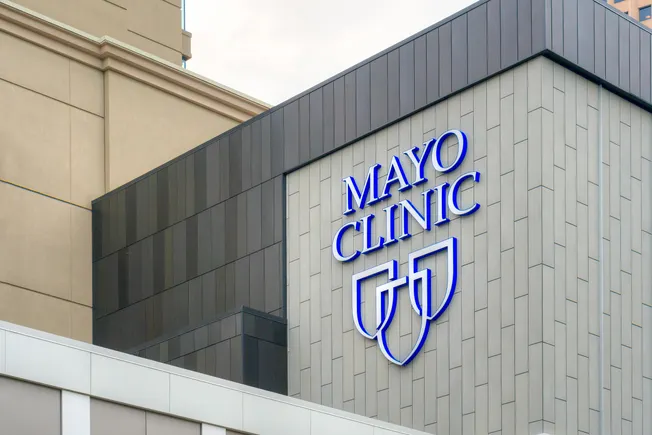
The Mayo Clinic, a leading nonprofit healthcare system, experienced a significant financial upswing in 2025, reporting income exceeding $1.5 billion – a 13% increase compared to the previous year. This positive performance, detailed in recent earnings documents, is largely attributed to increased patient volumes across outpatient, hospital, and surgical services. However, the clinic also faced rising operational costs, mirroring a trend seen throughout the healthcare industry as demand for services rebounds and staffing challenges ease. This financial snapshot offers a glimpse into the complex dynamics facing major healthcare providers as they navigate post-pandemic recovery and ongoing investment in future growth.
The Rochester, Minnesota-based institution’s success comes after a period of considerable strain for many hospitals, including Mayo Clinic, during the COVID-19 pandemic. Like many of its peers, Mayo Clinic grappled with workforce shortages and escalating labor costs, particularly related to contract staff, which significantly impacted its financial performance in 2022. However, strategic investments in employee well-being, professional development, and competitive salaries have demonstrably improved hiring and retention rates, allowing the clinic to accommodate the surge in patient demand. This rebound highlights the critical importance of a stable and engaged workforce in delivering quality healthcare and maintaining financial stability.
Rebounding Patient Volumes Drive Revenue Growth
The core driver of Mayo Clinic’s financial success in 2025 was a substantial increase in patient volume. Admissions rose by nearly 7%, and overall admissions were almost 15% higher compared to 2023. This surge in demand translated directly into increased revenue, bolstering the clinic’s financial position. The increased activity across all service lines – outpatient, hospital, and surgical – demonstrates a broad-based recovery in healthcare utilization as patients resume routine care and address deferred medical needs. This trend is indicative of a broader shift in healthcare consumption patterns following the peak of the pandemic.
The financial results underscore a broader trend within the healthcare sector. Many hospitals are reporting improved financial performance as they move further away from the acute phase of the pandemic. However, this recovery is not without its challenges. As patient volumes increase, so too do expenses, particularly those related to supplies, services, and labor. Mayo Clinic’s experience reflects this delicate balance between revenue growth and cost management.
Rising Expenses Offset Gains, Demand Careful Cost Management
While revenue increased significantly, Mayo Clinic also experienced a more than 8% year-over-year increase in operating costs, totaling $20 billion in 2025. Salaries and benefits constituted the largest portion of these expenses, reaching $11.2 billion. The increase in costs is directly linked to the higher patient volumes, requiring increased staffing and resource allocation. This highlights a key challenge for healthcare organizations: managing rising expenses while maintaining quality of care and investing in future growth. The necessitate for efficient resource allocation and innovative cost-containment strategies is paramount.
The interplay between revenue and expenses demonstrates the complex financial landscape of modern healthcare. While increased patient volumes are a positive sign, they also necessitate careful cost management to ensure long-term financial sustainability. Healthcare organizations must locate ways to optimize operations, streamline processes, and leverage technology to control costs without compromising patient care.
“Bold. Forward. Unbound.” Initiative Fuels Long-Term Investment
Looking ahead, Mayo Clinic is heavily invested in its multi-year, multibillion-dollar initiative, “Bold. Forward. Unbound.” This strategic plan prioritizes both physical and digital investments across the entire health system. A significant portion of the $1.4 billion in capital expenditures in 2025 was allocated to projects aimed at expanding and modernizing facilities, including bed towers in Mankato and La Crosse, Wisconsin. The initiative also focuses on integrating cutting-edge technologies, such as artificial intelligence, to enhance patient care and improve operational efficiency.
The “Bold. Forward. Unbound.” initiative represents a long-term commitment to innovation and growth. By investing in infrastructure, technology, and workforce development, Mayo Clinic aims to position itself as a leader in healthcare delivery and research. The integration of artificial intelligence, in particular, holds significant promise for improving diagnostics, treatment planning, and patient outcomes. This proactive approach to innovation is crucial for navigating the evolving healthcare landscape.
Mayo Clinic and Mercy Collaboration
In February 2026, Mayo Clinic announced an advancement in its collaboration with Mercy, a healthcare organization with a significant presence in Arkansas, Louisiana, Mississippi, and Texas. This partnership aims to transform patient care by expanding access to Mayo Clinic’s expertise and resources. The collaboration underscores the growing trend of healthcare organizations working together to improve quality, reduce costs, and enhance patient experience. Such partnerships are becoming increasingly common as healthcare systems seek to leverage each other’s strengths and address shared challenges.
The Broader Context: Healthcare Finances in 2025
Mayo Clinic’s financial performance in 2025 is part of a larger narrative of recovery and adaptation within the healthcare industry. As reported by Healthcare Dive, many hospitals are experiencing similar trends – increased patient volumes, rising expenses, and a renewed focus on financial sustainability. The industry is still grappling with the long-term effects of the pandemic, including workforce shortages, supply chain disruptions, and evolving patient expectations.
The Mayo Clinic’s success in navigating these challenges provides valuable insights for other healthcare organizations. Investing in employees, embracing innovation, and forging strategic partnerships are all key strategies for achieving financial stability and delivering high-quality care. The healthcare landscape is constantly evolving, and organizations that are able to adapt and innovate will be best positioned to thrive.
Looking ahead, the healthcare industry will continue to face significant challenges, including rising costs, aging populations, and the increasing prevalence of chronic diseases. However, with strategic investments, innovative solutions, and a commitment to patient-centered care, healthcare organizations can overcome these obstacles and build a more sustainable and equitable healthcare system.
The Mayo Clinic will next release its financial results for the first quarter of 2026 in April. Readers are encouraged to share their thoughts and experiences with healthcare access and affordability in the comments below.
Related reading