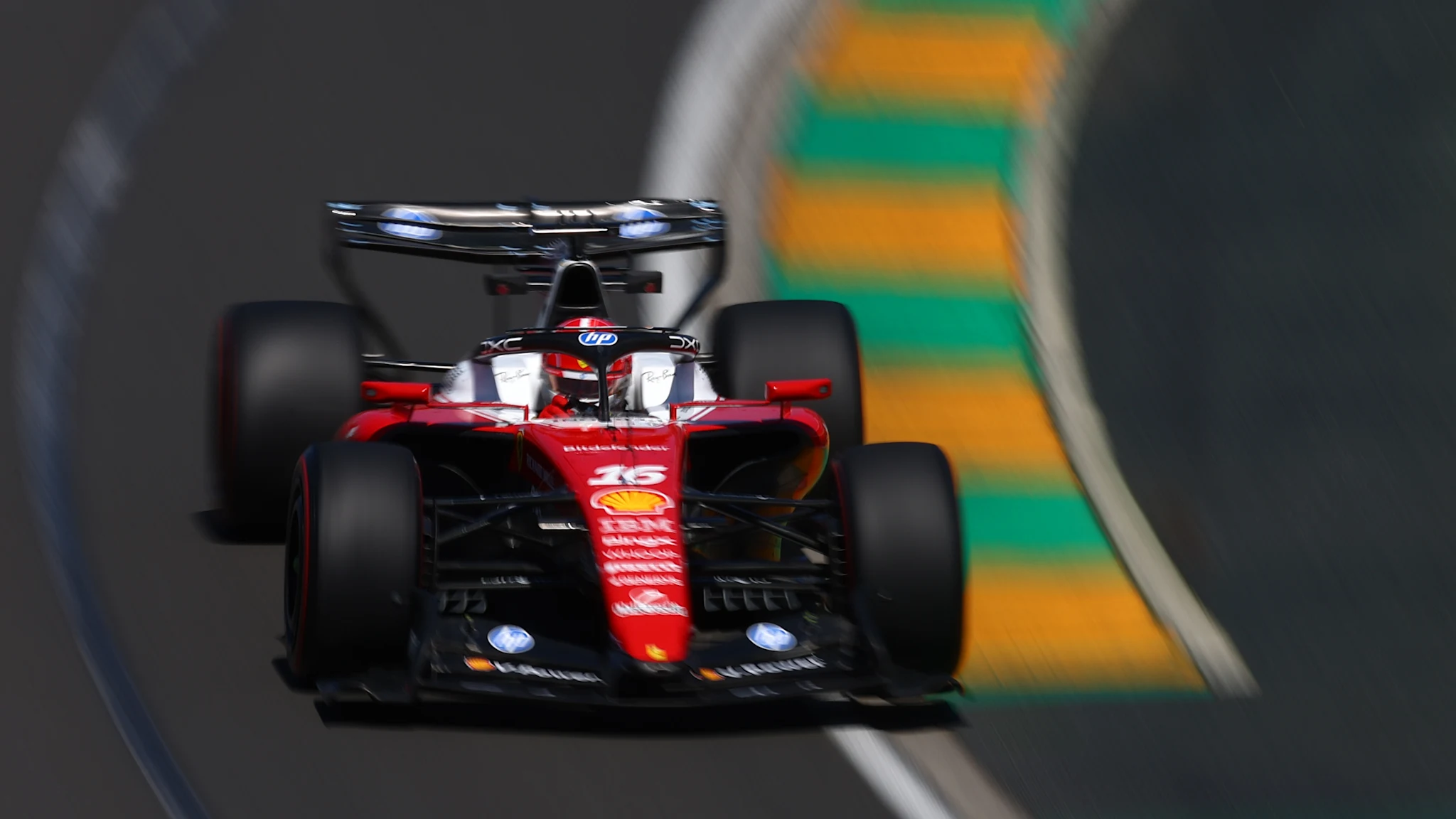
Melbourne, Australia – The 2026 Formula 1 season roared to life today with the opening practice session for the Australian Grand Prix, and it was Ferrari who immediately signaled their intent. Charles Leclerc topped the timesheets, setting a blistering pace of 1m 20.267s, followed closely by teammate Lewis Hamilton. The early session provided a first glimpse of the competitive landscape under the new technical regulations, but also highlighted some teething problems for several teams as they adapt to the complexities of the 2026 machinery.
The Albert Park circuit witnessed a flurry of activity as teams maximized track time to fine-tune their cars for the demanding conditions. The session wasn’t without its drama, with several drivers encountering issues that disrupted their running. Reigning World Champion Lando Norris experienced gearbox problems, limiting his participation, while Fernando Alonso of Aston Martin was sidelined altogether due to a suspected power unit issue. These early setbacks underscore the challenges teams face in mastering the new era of Formula 1. The Australian Grand Prix marks a significant moment for the sport, not just as the first race of the season, but as the debut of a new generation of cars designed to be more sustainable and technologically advanced.
Leclerc Leads Ferrari 1-2 in Promising Start
Charles Leclerc’s fastest lap of 1m 20.267s demonstrated Ferrari’s strong start to the season. He edged out teammate Lewis Hamilton, who finished second, creating a promising 1-2 for the Scuderia. Max Verstappen, driving for Red Bull Racing, secured third place, showcasing the continued competitiveness of the reigning constructors’ champions. The performance of Leclerc and Hamilton suggests that Ferrari has made significant strides during the off-season, potentially positioning them as strong contenders for the championship title. Motorsport.com reports that the session was relatively uneventful, allowing teams to focus on data collection and initial setup adjustments.
Rookie Lindblad Impresses, Issues Plague Established Teams
Among the notable performances was that of Arvid Lindblad, the sole rookie on the grid, who secured a commendable fifth place in his debut season. Driving for Racing Bulls, Lindblad demonstrated impressive pace and composure, quickly adapting to the demands of Formula 1. Home crowd favorite Oscar Piastri, driving for McLaren, finished sixth. The Mercedes pairing of George Russell and Kimi Antonelli followed, with the Audi duo of Gabriel Bortoleto and Nico Hulkenberg rounding out the top ten. However, the session wasn’t without its challenges for several established teams. McLaren’s Lando Norris reported issues with his gearbox, while Aston Martin faced power unit concerns with both Fernando Alonso and Lance Stroll unable to participate fully in the session. Alex Albon also encountered a late issue, stopping on track with what appeared to be a hydraulics problem.
Technical Challenges and Early Setbacks
The opening practice session highlighted the technical complexities of the new 2026 regulations. Several drivers reported issues, indicating that teams are still grappling with the intricacies of the new power units and aerodynamic packages. Oscar Piastri initially reported a lack of power, stating, “No power. I’m idling but I’ve got no power,” before later confirming the issue had been resolved. PlanetF1.com detailed these early struggles, emphasizing the challenges teams face in optimizing performance under the new rules. The Virtual Safety Car was deployed briefly after Arvid Lindblad stopped in the pit lane, further disrupting the session. These early issues suggest that reliability will be a key factor throughout the season.
Ferrari’s Strong Start and Potential Championship Challenge
Ferrari’s dominant performance in FP1 has fueled speculation about their potential to challenge for the championship title. The 1-2 finish, with Leclerc leading Hamilton, demonstrates the team’s strong preparation and the effectiveness of their new car design. However, it’s crucial to remember that this is just the first practice session, and the competitive landscape is likely to evolve as the weekend progresses. The Australian Grand Prix presents a unique challenge with its combination of high-speed corners and demanding straights, requiring a balanced car setup. The team will need to continue refining their car and addressing any reliability concerns to maintain their competitive edge.
Verstappen and Red Bull Respond
Despite finishing third, Max Verstappen and Red Bull Racing remain a formidable force. Verstappen consistently demonstrated strong pace throughout the session, and the team is known for its ability to quickly adapt and optimize its car performance. Isack Hadjar, Verstappen’s new teammate, also showed promise, securing fourth place. Red Bull will undoubtedly be working to close the gap to Ferrari and challenge for the top spot in qualifying and the race. The battle between Ferrari and Red Bull is expected to be a central theme of the 2026 season, with both teams possessing the resources and expertise to compete at the highest level.
Looking Ahead to Qualifying and the Race
The opening practice session provided valuable insights into the performance of each team and driver. However, the true competitive order will only become clear during qualifying and the race. Teams will now analyze the data collected during FP1 and produce adjustments to their car setups to optimize performance for the remainder of the weekend. The weather forecast for the Australian Grand Prix suggests the possibility of rain, which could add an extra layer of complexity to the race strategy. Drivers and teams will need to be prepared to adapt to changing conditions and make quick decisions to maximize their chances of success.
The Australian Grand Prix marks the beginning of a long and challenging season. The early signs suggest that Ferrari has emerged as a strong contender, but Red Bull and other teams will be determined to challenge their dominance. The performance of the rookies, such as Arvid Lindblad, will also be closely watched as they embark on their Formula 1 careers. The 2026 season promises to be filled with excitement, drama, and unpredictable moments as the world’s best drivers battle for supremacy on the global stage.
The next key event will be qualifying on Saturday, March 7th, where the starting grid for the Australian Grand Prix will be determined. Fans can follow the action live on official Formula 1 platforms and through major sports broadcasters. We encourage you to share your thoughts and predictions for the race in the comments below.
Worth a look