LOS ANGELES – The BBC is facing intense scrutiny following the broadcast of a racial slur during the British Academy Film Awards (BAFTAs) on February 22nd. The incident, stemming from involuntary verbal tics experienced by Tourette’s syndrome advocate John Davidson, has prompted a formal apology from the corporation and an internal investigation into the broadcast protocols. The fallout has overshadowed the success of the film “I Swear,” which chronicles Davidson’s life and experiences with the condition and has sparked a wider conversation about disability representation and editorial responsibility in live broadcasting.
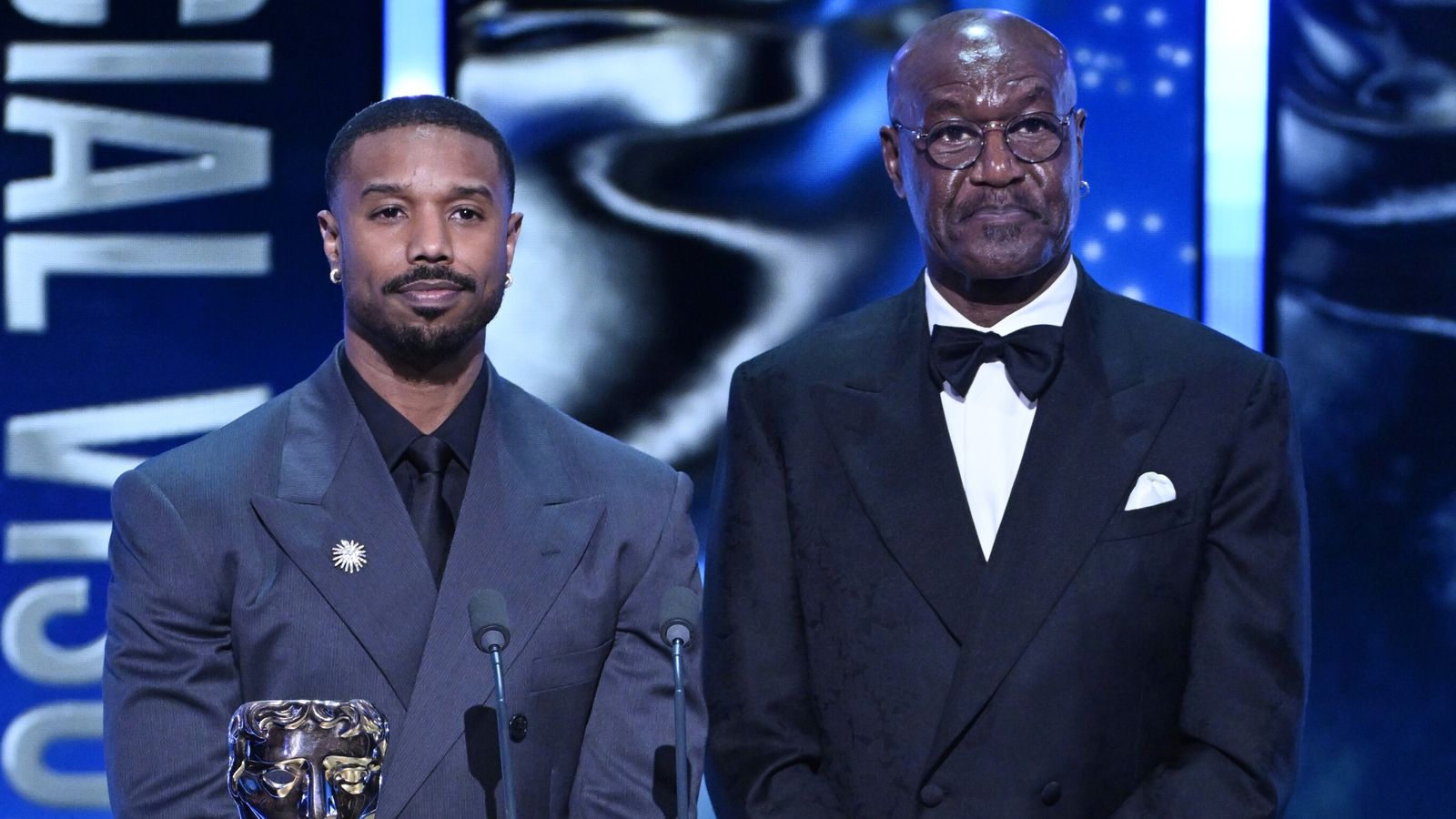
Outgoing BBC Director-General Tim Davie has acknowledged the “serious mistake,” stating the BBC “profoundly regrets” the events surrounding the broadcast. In a letter to Dame Caroline Dinenage, chairwoman of the Culture, Media and Sport Committee, Davie explained that the slur was not intentionally aired, but the failure to remove it from the broadcast and its subsequent availability on BBC iPlayer for over twelve hours was unacceptable. This incident occurred as actors Michael B. Jordan and Delroy Lindo were presenting an award, adding a layer of sensitivity to the situation. The BBC’s handling of the incident has been further complicated by reports of internal frustration among staff regarding the initial response, as detailed in a message from BBC chief content officer Kate Philips to employees.
The Incident and Initial Response
John Davidson, who was in attendance at the BAFTAs as the subject of the nominated film “I Swear,” experienced involuntary tics during the presentation by Jordan and Lindo. These tics resulted in the utterance of a racial slur, which was audible during the live broadcast. According to Davie, initial investigations revealed that the slur was not detected by those monitoring the live feed in the broadcast truck, leading to no immediate editorial decision to remove it. The program, edited down from a three-hour live show, aired on BBC1 at 7 pm GMT.
The BBC subsequently issued an apology, acknowledging that the language “arose from involuntary verbal tics associated with Tourette syndrome” and stating that it “should never have been broadcast.” The corporation removed the offensive language from the version of the show available on BBC iPlayer. Yet, the delay in removing the content and the initial broadcast of the slur drew significant criticism. Davidson himself has expressed deep remorse, stating he is “deeply mortified” by the incident and has reached out to Michael B. Jordan, Delroy Lindo, and “Sinners” production designer Hannah Beachler to offer a direct apology, as reported by NBC News. He emphasized that his tics are involuntary and do not reflect his personal beliefs.
Tourette’s Syndrome and Coprolalia
Tourette’s syndrome is a neurological disorder characterized by repetitive, stereotyped movements or vocalizations called tics. While many people with Tourette’s experience simple motor or vocal tics, a smaller percentage experience coprolalia – the involuntary utterance of obscene words or socially inappropriate remarks. According to the National Library of Medicine, coprolalia affects between 10-33% of individuals with Tourette’s syndrome. The Tourette Association of America provides resources and support for individuals and families affected by the condition. Davidson’s case highlights the complexities of living with Tourette’s and the challenges of navigating public spaces and events.
Internal BBC Review and Staff Concerns
The incident has prompted an internal review within the BBC to determine how the slur was not caught during the live broadcast and why it remained available on iPlayer for an extended period. Kate Philips, the BBC’s chief content officer, acknowledged the “upset and hurt” caused by the incident in a message to staff, as reported by Sky News. She also noted “frustration” among employees regarding the initial handling of the situation, indicating a desire for greater transparency and a more proactive response in the future. The review aims to identify weaknesses in the editorial process and implement measures to prevent similar incidents from occurring.
Broader Implications and Ongoing Discussions
This incident raises important questions about the responsibility of broadcasters to balance the need for live coverage with the potential for unforeseen and offensive content. It also highlights the importance of understanding and accommodating individuals with disabilities in public events. The BBC’s response, while apologetic, has been criticized by some as being reactive rather than proactive. The incident has also sparked a wider discussion about the representation of disability in the media and the need for greater sensitivity and awareness.
The fallout from the BAFTAs incident has also extended to other tech companies. Google issued an apology after a computer-generated news alert about the story included the racial slur, demonstrating the challenges of automated content generation and the need for careful oversight. This incident underscores the broader issue of algorithmic bias and the potential for technology to perpetuate harmful stereotypes.
The Success of “I Swear”
Despite the controversy, the film “I Swear,” which inspired Davidson’s attendance at the BAFTAs, achieved success at the awards ceremony. Robert Aramayo, who portrays Davidson in the film, won the award for Best Actor, beating out nominees including Timothée Chalamet and Leonardo DiCaprio. The film offers a powerful and intimate portrayal of life with Tourette’s syndrome, challenging misconceptions and promoting greater understanding of the condition. The film’s success is a testament to Davidson’s courage in sharing his story and advocating for greater awareness of Tourette’s syndrome.
The BBC incident serves as a stark reminder of the complexities of live broadcasting and the importance of editorial vigilance. As the investigation continues, the industry will be watching closely to see what lessons are learned and what measures are taken to prevent similar incidents from occurring in the future. The incident also underscores the need for continued dialogue about disability representation and the responsible portrayal of sensitive issues in the media.
The BBC has stated that the investigation is ongoing, and further updates will be provided as they develop into available. The Culture, Media and Sport Committee is expected to continue its scrutiny of the BBC’s handling of the incident. Readers are encouraged to share their thoughts and perspectives on this important issue in the comments section below.
Keep reading