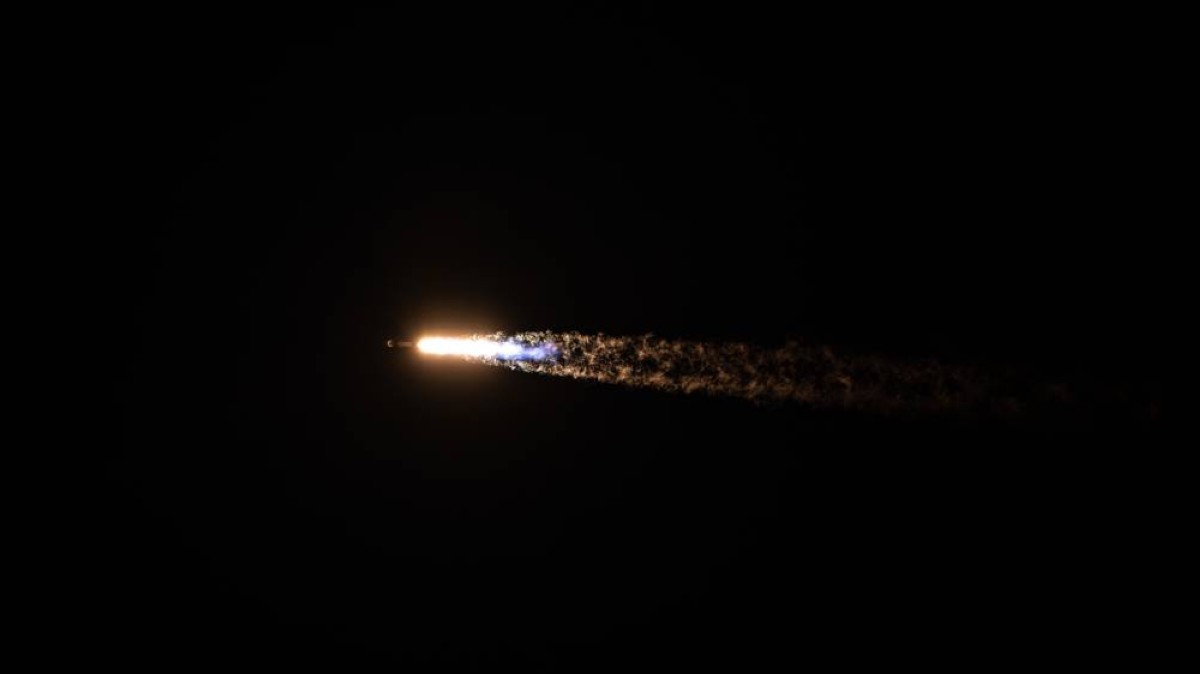
A Celestial Spectacle: SpaceX Launch Creates ‘Jellyfish’ Cloud in Florida Sky
In the early hours of March 4, 2026, a SpaceX Falcon 9 rocket launched from Florida, carrying 29 Starlink satellites and creating a breathtaking, ethereal display in the sky. Observers across the region witnessed a luminous, cloud-like formation resembling a giant jellyfish, a rare atmospheric phenomenon caused by the illumination of rocket exhaust by the sun’s rays. The launch, a routine mission to bolster SpaceX’s growing satellite internet constellation, transformed into a stunning visual event due to the precise timing of the launch relative to sunrise.
The unusual sight stemmed from sunlight illuminating the exhaust plume of the rocket at high altitude, while the sky below remained dark. This phenomenon, increasingly observed with the rise in space launches, is a testament to the intersection of human technological endeavors and the natural beauty of our atmosphere. SpaceX continues to rapidly expand its Starlink network, aiming to provide high-speed internet access globally, particularly in underserved areas. This particular launch marked the 28th mission for SpaceX in 2026, with 23 dedicated to building out the Starlink infrastructure.
Understanding the ‘Jellyfish’ Effect
The captivating display wasn’t a result of any anomaly with the launch itself, but rather a consequence of atmospheric optics. As the Falcon 9 ascended through the upper layers of the atmosphere, the exhaust gases – primarily water vapor and carbon dioxide – expanded and spread out. These gases then reflected sunlight, creating a large, glowing cloud. The shape, reminiscent of a jellyfish with trailing tentacles, is a result of the way the exhaust plume disperses and interacts with the atmospheric conditions at that altitude. According to Space.com, this effect occurs when sunlight illuminates the exhaust plume from the upper stage of the rocket while the ground remains in darkness. Space.com provides further details on similar occurrences observed during other rocket launches.
The timing of the launch was crucial. Launches occurring around dawn or dusk are most likely to produce this effect due to the fact that the rocket quickly reaches altitudes where sunlight is present, even though observers on the ground are still in darkness. The specific conditions – atmospheric density, wind patterns, and the angle of the sun – all contribute to the intensity and shape of the resulting cloud. The launch took place at 5:52 a.m. Eastern Time from Space Force Station Cape Canaveral in Florida.
Starlink Expansion Continues at a Rapid Pace
The mission carried 29 Starlink satellites, designated as part of Group 10-40, to a low Earth orbit. This launch represents a continued effort to grow the Starlink network, which is rapidly approaching 10,000 satellites in orbit. SpaceX’s Starlink aims to deliver high-speed, low-latency internet service to locations worldwide, bridging the digital divide and providing connectivity to remote and underserved communities. The company’s innovative approach to satellite internet, coupled with its reusable rocket technology, has positioned it as a leader in the space industry.
The first stage of the Falcon 9 rocket successfully landed on the drone ship “A Shortfall of Gravitas” in the Atlantic Ocean following stage separation, marking the 24th successful flight for this particular booster. This successful recovery demonstrates SpaceX’s commitment to reducing launch costs and increasing the frequency of missions through its reusable rocket technology. Youm7 reported on the successful launch and booster recovery.
The Growing Impact of SpaceX Launches
SpaceX’s frequent launches, while contributing to the expansion of global internet access, have also raised concerns about light pollution and the potential impact on astronomical observations. The increasing number of satellites in orbit can interfere with astronomical research, creating streaks of light that obscure faint celestial objects. Astronomers are working with SpaceX and other satellite operators to mitigate these effects, exploring solutions such as satellite darkening techniques and coordinated launch schedules.
The Starlink constellation is not without its critics. Concerns have been raised about the potential for space debris and the impact on the night sky. SpaceX has implemented measures to address these concerns, including satellite disposal plans and efforts to reduce the reflectivity of its satellites. However, the long-term effects of a large-scale satellite constellation on the space environment remain a subject of ongoing research, and debate.
What Causes the Luminous Cloud? A Deeper Dive
The phenomenon observed during the SpaceX launch is a specific example of a broader atmospheric effect known as noctilucent clouds, though these are typically formed at much higher altitudes and are associated with ice crystals. In the case of the rocket exhaust plume, the water vapor and carbon dioxide released during the burn condense and scatter sunlight, creating the visible cloud. The color of the cloud can vary depending on the composition of the exhaust gases and the angle of the sunlight. The blue and orange hues observed during the SpaceX launch were likely due to the scattering of sunlight by different wavelengths of light.
The intensity of the effect is also influenced by atmospheric conditions. Clear, dry air allows for better visibility of the cloud, while clouds or haze can obscure it. The altitude of the launch and the angle of the sun are also important factors. The optimal conditions for observing this phenomenon are typically found at higher latitudes, but it can be seen at lower latitudes as well, particularly during periods of increased solar activity.
Looking Ahead: More Launches and Continued Innovation
SpaceX’s launch cadence is expected to remain high throughout 2026, with numerous additional Starlink missions planned. The company is also working on developing new technologies to further reduce launch costs and increase the capacity of its satellite network. These advancements will likely lead to even more frequent and spectacular displays in the sky, as well as continued expansion of global internet access.
The company’s ambitions extend beyond Starlink, with plans for lunar and Martian exploration. SpaceX is developing the Starship spacecraft, a fully reusable launch system designed to carry humans and cargo to the Moon, Mars, and beyond. The development of Starship represents a significant step towards realizing Elon Musk’s vision of making humanity a multi-planetary species.
Key Takeaways:
- A SpaceX Falcon 9 launch on March 4, 2026, created a stunning “jellyfish” cloud in the Florida sky due to the illumination of rocket exhaust by sunlight.
- The launch carried 29 Starlink satellites to low Earth orbit, continuing the rapid expansion of SpaceX’s internet constellation.
- The phenomenon is a result of atmospheric optics, where exhaust gases scatter sunlight, creating a visible cloud.
- SpaceX’s reusable rocket technology played a key role in the mission’s success, with the first stage booster landing safely on a drone ship.
- The increasing number of satellite launches raises concerns about light pollution and the impact on astronomical observations.
The next scheduled Starlink launch is currently planned for March 15, 2026, from Vandenberg Space Force Base in California. Further updates on SpaceX’s missions and the Starlink constellation can be found on the company’s website: https://starlink.com/. We encourage readers to share their observations and experiences with this fascinating phenomenon in the comments below.