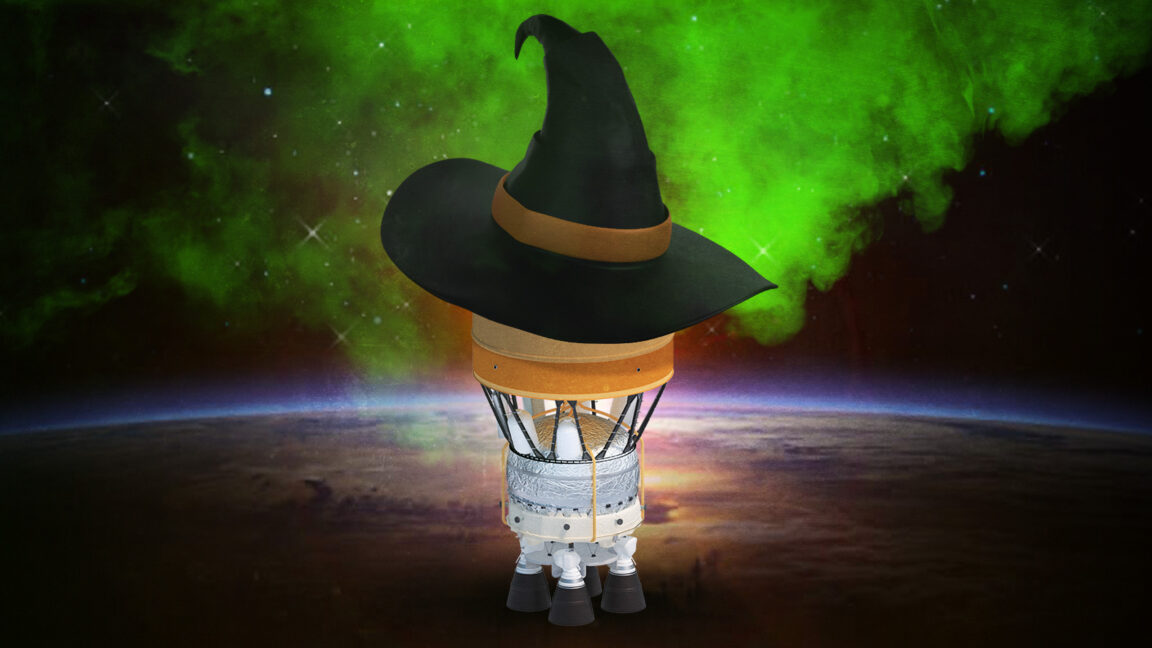
Ding-dong! The Exploration Upper Stage is Dead
The ambitious, and increasingly expensive, Exploration Upper Stage (EUS) – a planned second stage for NASA’s Space Launch System (SLS) rocket – has been effectively canceled. After a decade of development and over $3.5 billion spent, NASA has opted to move forward with United Launch Alliance’s (ULA) Centaur 5 as the new upper stage for the SLS, a decision confirmed by a recent NASA contract. This marks a significant shift in strategy for the Artemis program, NASA’s initiative to return humans to the Moon, and raises questions about the future of large-scale, bespoke rocket development versus utilizing existing commercial solutions. The move underscores a growing recognition within the space agency and among lawmakers of the escalating costs and delays associated with the EUS project.
The decision to abandon the EUS isn’t simply about cost, though that was a major factor. It’s a story of shifting priorities, congressional influence, and the inherent challenges of developing complex aerospace technology. Originally conceived in 2016, the EUS was intended to provide the necessary boost to send heavier payloads, including the Orion spacecraft and its crew, deeper into space. Lawmakers, driven by a desire to create jobs and maintain a domestic industrial base, pushed for a completely new upper stage rather than considering readily available alternatives. This directive, while politically motivated, ultimately led to a project plagued by delays and ballooning expenses. The Centaur 5, in contrast, offers a more immediate and cost-effective solution, leveraging existing technology, and infrastructure.
The original contract awarded to Boeing for the EUS began at $962 million, with initial plans to launch the rocket on the second flight of the SLS in 2021. But, as with many large-scale NASA projects, those initial estimates proved wildly optimistic. The launch tower required to support the EUS, part of the Exploration Ground Systems program at Kennedy Space Center, saw its cost escalate from an initial estimate of $383 million to over $2 billion. This pattern of cost overruns and schedule slips became emblematic of the EUS program, highlighting the difficulties of managing complex engineering projects with shifting requirements and political pressures. The decision to switch to the Centaur 5 represents a pragmatic response to these challenges, prioritizing a viable path forward for the Artemis program.
A Decade of Delays and Rising Costs
The genesis of the EUS can be traced back to a desire within Congress to ensure a robust American presence in space and to stimulate economic activity through aerospace manufacturing. In 2016, $85 million was allocated for preliminary function on the upper stage, a figure that quickly grew as the project gained momentum. Boeing was tasked with the development, while Aerojet Rocketdyne was responsible for the engines – RL-10s, which, despite their reliability, have been in service for six decades. The reliance on older engine technology, while reducing some risk, did little to mitigate the overall cost and schedule issues. The EUS, in many ways, became a prime example of what critics describe as “pork-barrel” spending, spreading funds among various contractors and justifying the construction of new infrastructure, like the massive launch tower in Florida.
The choice to pursue a new upper stage, rather than adapting existing commercial options, was particularly striking given the alternatives available. ULA was already developing the Centaur V, a more powerful upper stage for its Vulcan rocket, which utilized the same propellant as the SLS core stage. Similarly, Blue Origin was working on the BE-3U engine, also powered by hydrogen. These options offered potential cost savings and faster development timelines, but were ultimately overlooked in favor of the EUS. This decision underscores the influence of political considerations over purely technical or economic ones in the early stages of the program.
The Centaur 5: A Pragmatic Solution
The selection of the Centaur 5 as the new upper stage for the SLS represents a significant course correction for NASA. The Centaur family of upper stages has a long and successful history, having flown on numerous missions since the 1960s. The Centaur 5, specifically, is designed to provide increased performance capabilities, making it well-suited for the demands of the Artemis program. According to a Spaceflight Now report, the contract with ULA confirms the Centaur 5’s role in future SLS missions. This move allows NASA to leverage existing technology and expertise, reducing both risk and cost.
The shift to the Centaur 5 also aligns with a broader trend within NASA towards greater reliance on commercial partners. Companies like SpaceX and Blue Origin have demonstrated the ability to deliver innovative space solutions at competitive prices, and NASA is increasingly looking to these companies to provide key capabilities. The decision to forgo the EUS and embrace the Centaur 5 is a clear signal that NASA is willing to prioritize practicality and affordability over maintaining complete in-house control of all aspects of its space program. This change in approach is crucial for ensuring the long-term sustainability of space exploration.
Impact on the Artemis Program and Future Missions
The cancellation of the EUS is expected to have a positive impact on the Artemis program, potentially accelerating the timeline for future missions to the Moon and beyond. By adopting a more readily available upper stage, NASA can avoid further delays and cost overruns associated with the EUS development. The Centaur 5 is expected to be integrated into the SLS rocket in the coming years, paving the way for more frequent and ambitious lunar missions.
However, the decision also raises questions about the future of the SLS rocket itself. The SLS has been criticized for its high cost and limited flexibility, and some argue that it should be replaced by a fully commercial launch system. While the SLS is likely to remain a key component of NASA’s space program for the foreseeable future, the shift to the Centaur 5 suggests a growing willingness to embrace commercial alternatives. The long-term implications of this shift remain to be seen, but the space landscape is evolving rapidly, and NASA must adapt to remain competitive.
The move also highlights the importance of careful planning and realistic cost estimation in large-scale aerospace projects. The EUS saga serves as a cautionary tale about the dangers of political interference and the need to prioritize technical feasibility over short-term economic gains. By learning from the mistakes of the past, NASA can improve its ability to deliver on its ambitious goals and ensure the continued success of the Artemis program.
NASA’s next steps involve finalizing the integration of the Centaur 5 with the SLS and preparing for future Artemis missions. The agency is expected to provide further updates on the program’s progress in the coming months. The official NASA website remains the best source for the latest information on the Artemis program and the SLS rocket. Learn more about the Artemis program here.
The cancellation of the Exploration Upper Stage marks a pivotal moment in NASA’s space exploration efforts. It’s a testament to the challenges of large-scale engineering projects, the influence of political considerations, and the growing importance of commercial partnerships. As NASA looks towards a future of sustained lunar presence and eventual missions to Mars, the lessons learned from the EUS experience will be invaluable.
Keep reading