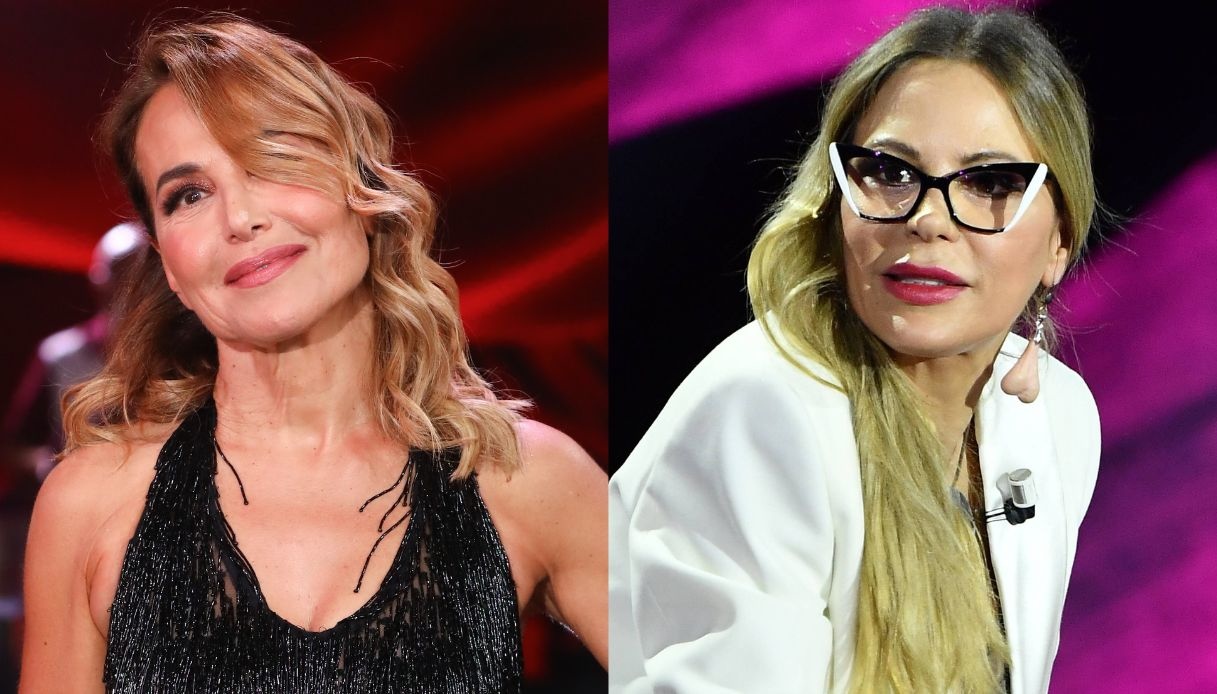
Naike Rivelli’s Defamation Conviction Against Barbara D’Urso Upheld
The legal battle between social media personality Naike Rivelli and veteran Italian television host Barbara D’Urso has reached its conclusion, with the Turin Court of Appeal confirming a previous conviction against Rivelli for defamation. The case stems from a series of videos posted on Instagram in 2019, where Rivelli made damaging allegations about D’Urso’s professional and personal life. This confirmation, arriving two years after an initial ruling by the Alessandria Tribunal in 2024, underscores the legal ramifications of online speech and the protection of reputation in the digital age. The case highlights the increasing scrutiny of public figures’ statements made on social media platforms and the potential for legal repercussions.
The initial judgment, delivered by the Tribunal of Alessandria in 2024, found Naike Rivelli guilty of defaming Barbara D’Urso. The court determined that Rivelli’s statements, characterized as “heated expressions” regarding D’Urso’s career, crossed the line into libelous territory. Rivelli’s defense argued that her comments were merely “television criticism” aimed at D’Urso’s on-screen persona, not a malicious intent to harm. However, the court did not accept this justification, imposing a fine of 800 euros and recognizing the defamatory nature of at least one of the incidents. The case underscores the challenges of defining the boundaries between legitimate critique and harmful defamation in the context of media commentary.
The recent ruling by the Court of Appeal in Turin reinforces the initial decision, adding the financial burden of the appellate process to Rivelli’s obligations. According to reports from Il Giornale, Rivelli is now responsible for covering the legal costs associated with the appeal. In 2024, the public prosecutor, Andrea Ratti, had initially sought a more severe penalty of seven months imprisonment, citing the offensive nature of Rivelli’s remarks both professionally and personally. While the court ultimately opted for a financial penalty, the confirmation of the conviction sends a clear message about the seriousness of the allegations and the importance of responsible online communication. The prosecutor’s initial request demonstrates the gravity with which the legal authorities viewed the accusations.
The Origins of the Dispute: Allegations of Favoritism
The controversy began in 2019 when Naike Rivelli published a series of videos on her Instagram account targeting Barbara D’Urso. These videos contained strong criticisms of D’Urso’s interviewing style and, more seriously, insinuations of “secret favoritism” within Mediaset, the television network where D’Urso was a prominent figure. Rivelli specifically alluded to the alleged presence of a secret lover within the network’s corridors, sparking outrage and prompting a legal response from D’Urso’s representatives. The allegations, presented as rumors, were deemed damaging to D’Urso’s reputation and professional standing.
Rivelli’s statements, as reported by legal counsel for D’Urso at the time, included claims that D’Urso had “an amante (lover) at Mediaset,” accompanied by what were described as “sexist expressions and irredeemably vulgar language.” The specific quote attributed to Rivelli, “Voci di corridoio dicono che lei ha un amante a Mediaset, voci di corridoio lo dicono. Ma chi sarà, è vero? Ce l’hai l’amante a Mediaset? Chi sa chi è l’amante di Barbara D’Urso alzi la mano” (“Rumors say she has a lover at Mediaset, rumors say so. But who will it be, is it true? Does anyone know who Barbara D’Urso’s lover is, raise your hand”), exemplifies the provocative and accusatory nature of the content. D’Urso’s legal team argued that these statements were not presented as ironic commentary but as deliberate attacks on her reputation.
Antonio Pelle, Rivelli’s lawyer in 2024, attempted to mitigate the severity of the accusations, arguing that the videos were intended as commentary and that D’Urso herself had engaged in playful banter with Vittorio Sgarbi, a controversial Italian art critic, on similar topics. However, this defense failed to sway the courts, which ultimately sided with D’Urso, finding that Rivelli’s statements were sufficiently damaging to warrant a conviction. The legal argument centered on the intent and impact of the statements, with the court prioritizing the protection of D’Urso’s reputation.
Barbara D’Urso’s Response and Current Activities
Following the confirmation of Rivelli’s conviction, Barbara D’Urso shared the news on her Instagram stories without adding any personal commentary. This understated response reflects D’Urso’s characteristic composure and her focus on moving forward. D’Urso has recently returned to the entertainment scene, participating in the popular Italian dance competition Ballando con le Stelle (Dancing with the Stars), where she placed third in an all-female final. Her continued presence in the public eye demonstrates her resilience and commitment to her career despite the legal challenges she has faced.
In a post shared shortly before announcing the outcome of the legal case, D’Urso expressed her determination to continue working despite recent physical setbacks, mentioning shoulder and foot injuries requiring further medical evaluation. “Sono pronta per ricominciare, anche se ho la spalla ancora dolente e un piede temo mezzo rotto (martedì pomeriggio radiografie ed ecografie), ma come ben sapete non mi ferma niente e nessuno” (“I’m ready to start again, even if my shoulder still hurts and I fear I’ve broken my foot (radiographs and ultrasounds Tuesday afternoon), but as you know, nothing and no one stops me”), she wrote, showcasing her unwavering spirit. This message underscores her dedication to her profession and her ability to overcome obstacles.
The confirmation of Naike Rivelli’s conviction serves as a reminder of the legal boundaries surrounding freedom of speech and the importance of responsible online behavior. As social media continues to play an increasingly prominent role in public discourse, individuals must be mindful of the potential consequences of their words and actions. The case of Rivelli and D’Urso highlights the need for a balance between the right to express opinions and the right to protect one’s reputation from unfounded and damaging allegations. The ongoing evolution of legal precedents in this area will continue to shape the landscape of online communication and accountability.
The next step in this legal matter involves Rivelli fulfilling her financial obligations, including the initial fine and the costs associated with the appeal process. Further details regarding the specific amount owed and the timeline for payment have not been publicly disclosed. Readers interested in following updates on this case can monitor Italian legal news sources and reports from reputable media outlets. We encourage respectful discussion and thoughtful commentary on this significant issue.
Related reading