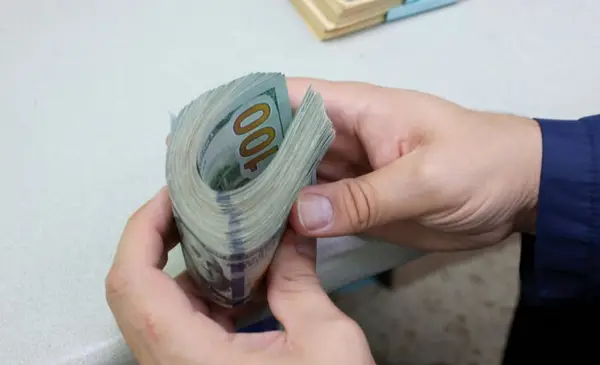
Bolivian Parallel Dollar Market Experiences Slight Fluctuations
La Paz, Bolivia – The parallel, or unofficial, exchange rate for the US dollar in Bolivia saw modest variations on Friday, March 6th, 2026, amidst ongoing tensions between currency supply and demand within the country. These fluctuations, while slight, are closely monitored by citizens, merchants, and economic sectors who rely on informal currency transactions, particularly in a climate where official dollar availability impacts daily exchange rates. The movements in the parallel market highlight the complexities of Bolivia’s economic landscape and the continued reliance on alternative exchange mechanisms.
According to data from the specialized portal dolarboliviahoy.com, as of 12:36 PM local time on Friday, the US dollar was trading at Bs 9.33 for sale and Bs 9.35 for purchase. This represents a slight increase compared to earlier in the day, when the exchange rate stood at Bs 9.22 for sale and Bs 9.25 for purchase. The “dólar blue,” as reported by bolivianblue.net, mirrored this trend, with rates similarly settling at Bs 9.33 for sale and Bs 9.35 for purchase. While both platforms show similar figures, minor discrepancies exist between them, a common occurrence in the informal market.
Understanding the Parallel Dollar Market
The parallel dollar market, also known as the informal or unofficial exchange rate, operates outside the control of Bolivia’s central bank. It arises due to various factors, including restrictions on accessing US dollars through official channels, perceived risks associated with the official economy, and the dynamics of supply and demand. The exchange rate in this market is determined by individual transactions between buyers and sellers, often through online platforms or direct exchange. This differs significantly from the official exchange rate set by the Banco Central de Bolivia (BCB), which aims to maintain stability in the national currency, the Boliviano (Bs).
The existence of a parallel market isn’t unique to Bolivia. Many countries with currency controls or economic instability experience similar phenomena. However, the gap between the official and parallel rates can be an indicator of economic stress and a lack of confidence in the official system. A wider gap suggests greater demand for US dollars as a safe haven asset, potentially driven by concerns about inflation, political instability, or capital flight.
Recent Trends and Contributing Factors
The slight increase observed on March 6th, 2026, follows a pattern of minor adjustments throughout the first week of March. According to reports, the dollar parallel rate began the week at Bs 9.22 for purchase and Bs 9.20 for sale, gradually increasing to the rates observed on Friday. While the fluctuations are relatively small, they are significant for those who regularly engage in transactions using the parallel market.
Several factors contribute to the dynamics of the parallel dollar market in Bolivia. These include the country’s balance of payments, its level of international reserves, and government policies related to currency exchange. Bolivia’s economic performance, particularly its export earnings, plays a crucial role in determining the availability of US dollars. Decreased export revenues can lead to a shortage of dollars, driving up the exchange rate in the parallel market.
political and economic uncertainty can also influence the demand for US dollars. Periods of instability often lead to increased capital flight, as investors seek to protect their assets by converting Bolivianos into dollars. This increased demand puts upward pressure on the exchange rate in the parallel market.
Impact on Bolivian Economy and Citizens
The parallel dollar market has a significant impact on the Bolivian economy and its citizens. For businesses involved in international trade, the exchange rate affects the cost of imports and the revenue from exports. A higher parallel rate increases the cost of imported goods, potentially leading to inflation. Conversely, it can benefit exporters by increasing the value of their earnings in Bolivianos.
For individuals, the parallel rate influences the cost of purchasing goods and services priced in US dollars, such as electronics, travel, and certain imported products. It also affects the value of remittances sent by Bolivians working abroad, a significant source of income for many families.
While the parallel market isn’t part of the official financial system, its rates are closely watched by policymakers. The central bank often intervenes in the foreign exchange market to manage the official exchange rate and reduce the gap between the official and parallel rates. These interventions can include selling US dollars from its reserves or implementing policies to encourage the inflow of foreign currency.
Monitoring and Future Outlook
Several online platforms, including dolarboliviahoy.com and bolivianblue.net, provide real-time updates on the parallel dollar exchange rate in Bolivia. These platforms aggregate data from various sources and offer a snapshot of the current market conditions. However, it’s important to note that the parallel market is inherently volatile and subject to rapid changes.
Looking ahead, the future of the parallel dollar market in Bolivia will depend on a number of factors, including the country’s economic performance, political stability, and government policies. Continued economic growth and a stable political environment could aid to reduce the demand for US dollars and narrow the gap between the official and parallel rates. However, any significant economic shocks or political turmoil could exacerbate the situation and lead to further fluctuations in the parallel market.
The Banco Central de Bolivia will likely continue to monitor the situation closely and implement measures to maintain stability in the foreign exchange market. These measures may include adjusting interest rates, managing the country’s international reserves, and implementing policies to promote foreign investment.
As of this report, the parallel dollar market remains a key indicator of Bolivia’s economic health and a critical factor for businesses and individuals operating within the country. Continued monitoring of exchange rate trends and underlying economic conditions will be essential for understanding the future trajectory of this dynamic market. The next update on the official exchange rate from the Banco Central de Bolivia is scheduled for March 13th, 2026, and will be closely watched by market participants.
Key Takeaways:
- The parallel dollar exchange rate in Bolivia experienced a slight increase on March 6th, 2026, trading at Bs 9.33 for sale and Bs 9.35 for purchase.
- The parallel market operates outside the official financial system and is influenced by supply and demand, economic conditions, and political stability.
- Fluctuations in the parallel rate impact businesses, individuals, and the overall Bolivian economy.
- The Banco Central de Bolivia continues to monitor the market and implement measures to maintain stability.
Do you have insights into the Bolivian economy or experiences with the parallel dollar market? Share your thoughts in the comments below. Don’t forget to share this article with your network to keep them informed about the latest economic developments in Bolivia.
Worth a look